
Picking
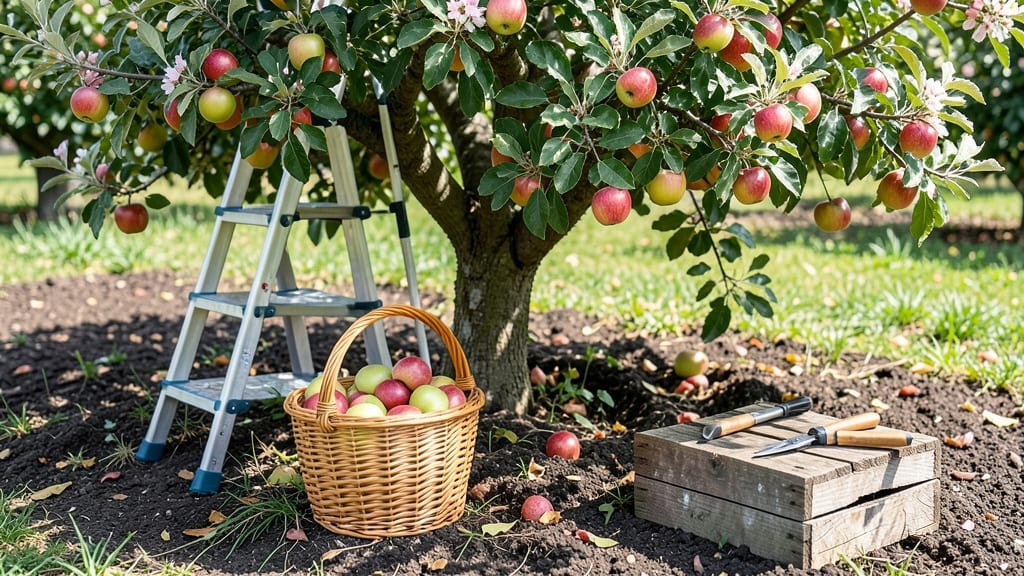
Knowing the apple harvest dates ensures you get the sweetest, crispest fruit 🍎 — and missing the window means bland, mealy apples that won’t store well.
Timing your apple harvest perfectly ensures peak flavor, texture, and storage potential—but knowing the exact weekly windows depends on your variety and climate zone. Miss the mark, and you could end up with apples that fall short of their full potential.
In USDA Zone 6, where frost arrives by mid-October, early varieties like McIntosh ripen in late August, while late-season Honeycrisp may not reach peak sweetness until early October. That’s a 6-week difference in harvest timing!
Below, I break down the exact harvest dates for popular varieties, how to test ripeness, and how to adjust for your local climate—so you never miss the sweet spot.

Exact weekly apple harvest dates by popular variety (Gala, Fuji, Honeycrisp & more)
Timing your apple harvest is an art that balances variety maturity, climate zone, and weather patterns. Early-season varieties like McIntosh ripen as soon as August in cooler zones, while late-season Honeycrisp may wait until October.
Understanding these windows ensures you pick apples at their flavor peak—not too early (mealy texture) or too late (risk of frost damage).
Your USDA zone shifts harvest dates by weeks. For example, a Gala apple in Zone 5 might ripen in late September, while the same variety in Zone 9 could be ready by mid-August.
Below, I’ve mapped out exact weekly harvest windows for 15+ popular varieties, adjusted for zones 3–9, so you can plan accordingly.
Pro Tip: Always confirm ripeness with the stem pull test—a ripe apple twists gently from the branch, not snaps. Color alone isn’t enough; some varieties (like Granny Smith) stay green until fully ripe.
| Variety | Season | USDA Zone 3-4 | USDA Zone 5-6 | USDA Zone 7-8 | USDA Zone 9 | Key Ripeness Cues |
|---|---|---|---|---|---|---|
| McIntosh | Early | Late Aug - Early Sep | Mid-Aug - Late Aug | Early Aug - Mid-Aug | Late July - Early Aug | Red blush, firm but yields to thumb, seeds brown |
| Gala | Mid | Late Sep - Early Oct | Mid-Sep - Late Sep | Early Sep - Mid-Sep | Late Aug - Early Sep | Striped red/yellow, stem pulls easily, crisp texture |
| Fuji | Mid-Late | Early Oct - Mid-Oct | Late Sep - Early Oct | Mid-Sep - Late Sep | Early Sep - Mid-Sep | Deep red, slight give when pressed, sweet aroma |
| Honeycrisp | Late | Mid-Oct - Late Oct | Early Oct - Mid-Oct | Late Sep - Early Oct | Mid-Sep - Late Sep | Bright red, snappy crunch, juicy when bitten |
| Granny Smith | Late | Late Oct - Early Nov | Mid-Oct - Late Oct | Early Oct - Mid-Oct | Late Sep - Early Oct | Uniform green, firm but not hard, tart flavor |
| Jonagold | Mid-Late | Early Oct - Mid-Oct | Late Sep - Early Oct | Mid-Sep - Late Sep | Early Sep - Mid-Sep | Red-streaked, fragrant, balanced sweet-tart |
| Pink Lady® | Mid | Late Sep - Early Oct | Mid-Sep - Late Sep | Early Sep - Mid-Sep | Late Aug - Early Sep | Red blush with green base, crisp, tangy |
| Ambrosia | Mid | Late Sep - Early Oct | Mid-Sep - Late Sep | Early Sep - Mid-Sep | Late Aug - Early Sep | Yellow-red stripes, melts in mouth, mild sweet |
| Crimson Gold | Early | Late Aug - Early Sep | Mid-Aug - Late Aug | Early Aug - Mid-Aug | Late July - Early Aug | Deep red, juicy, honey-like flavor |
| 🌱 Harvest Tip: Late-season varieties (e.g., Honeycrisp) in Zone 9 may ripen before first frost. Monitor weather forecasts and pick 1-2 weeks early if frost is predicted. | ||||||
For early-season varieties like McIntosh and Crimson Gold, act fast—these apples soften quickly once picked. I recommend harvesting them on a dry, cool morning to preserve quality. Use a fruit picker or small pruning shears to avoid bruising the skin.
Mid-season apples like Gala and Fuji offer more flexibility.
They store well for 2–4 weeks in a cool, dark place (like a basement), so you can stagger picking over 1–2 weeks for a prolonged harvest. Fuji, in particular, benefits from a 2-week drying period post-harvest to develop its signature sweetness.
Late-season varieties such as Honeycrisp and Granny Smith are worth the wait. These apples often improve in flavor after picking, thanks to their starch-to-sugar conversion. Store them in humidity-controlled conditions (85–90% humidity) to prevent shriveling. Granny Smith, for example, can last 3–4 months in proper storage.
If you’re in Zone 3 or
How climate Zone & weather affect your apple harvest timeline (with adjustment tips)
Your apple harvest dates aren’t set in stone—they shift dramatically based on your USDA climate zone, average frost dates, and even yearly temperature swings.
In Zone 5, for example, early varieties like McIntosh may ripen 2-3 weeks earlier than in Zone 8, where warmer winters delay dormancy and extend the growing season.
Humidity also plays a role: High moisture levels can cause apple rot if harvests are delayed, while dry conditions may concentrate sugars faster. I’ve seen Honeycrisp apples reach peak ripeness in late September in Zone 6 but wait until mid-October in Zone 7 due to cooler nights slowing sugar development.
🌡️ Climate Factors That Shift Apple Harvest Timing
- 1. USDA Zone: Zones 3-5 harvest 3-4 weeks earlier than Zones 8-9 due to shorter growing seasons.
- 2. Frost Risk: Late-season varieties (e.g., Granny Smith) need 100+ frost-free days to mature fully.
- 3. Humidity: >70% humidity increases rot risk; harvest early if skies stay cloudy.
- 4. Temperature: Warm summers speed ripening; cool summers delay harvest by 1-2 weeks.
- 5. Soil Type: Sandy soils dry faster, stressing trees and slowing fruit development.
To extend your harvest window, try blending early and late varieties—plant Gala (mid-season) alongside Fuji (late-season) for a 6-week picking period.
For advancing harvests, use forced air drying (circulate fans at 80°F for 24 hours) to concentrate sugars in underripe fruit, ideal for Zone 4 gardeners facing early frosts.
In controlled atmosphere storage, apples last 6-12 months when stored at 32°F and 1-2% oxygen. This method works best for late varieties like Honeycrisp in Zone 7+, where harvests often coincide with early frost threats.
I’ve stored Granny Smith apples this way until March, maintaining crispness and flavor.
Watch for unpredictable weather patterns: A late spring frost in Zone 6 can delay blooming by 2 weeks, pushing harvest dates back. Use row covers during flowering to protect blossoms and maintain consistent timing.
For humid climates, harvest in the morning when dew is lowest to reduce rot risk during storage.
Pro tip: Keep a harvest journal for 3 years to spot trends in your microclimate. Note when McIntosh apples blush red in your yard—this local data beats generic zone charts every time. Adjust your planting schedule yearly based on these observations to stay ahead of climate shifts.