
Picking
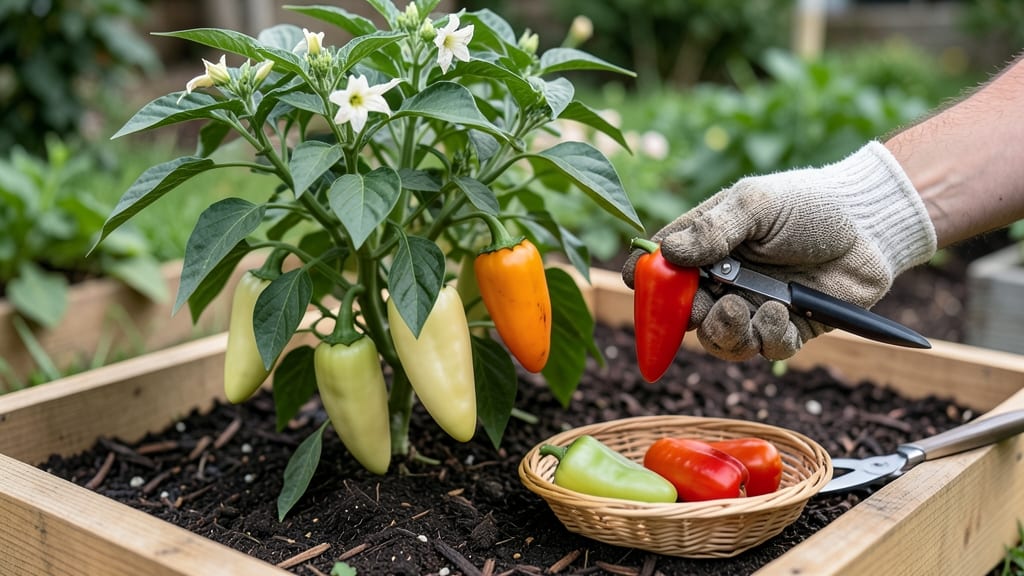
Harvesting banana peppers at the right time transforms them from mild snacks to bold, flavor-packed gems 🌶️—but miss the window, and you’re left with bland or bitter fruit.
Picture this: You’ve nurtured your plants all season, and now the moment of truth arrives. How do you know when those green pods are ready to pick? It’s not just about color—size, firmness, and even the way they snap off the vine all play a role.
In Zone 6, where spring planting kicks off in April and harvests stretch from July to October, timing is everything. Too early, and your peppers lack heat; too late, and they turn rubbery.
Below, I’ll walk you through the three visual cues that guarantee you pick them at peak ripeness—so every bite packs the perfect balance of sweetness and spice.
Ready to go from guesswork to precision? Let’s dive into the exact signs to watch for, plus how to handle regional variations and storage tricks to keep your harvest fresh.


3 Visual cues to identify perfect banana pepper harvest time
Knowing exactly when to harvest your banana peppers makes all the difference between mild, sweet peppers and bold, fiery flavors. These peppers are deceptive—what looks ripe might not be, and what seems underripe could actually be perfect.
The key lies in three visual cues that reveal when your peppers are at their peak for flavor and heat.
First, let's address the most common mistake: assuming green peppers are immature. While many peppers stay green, banana peppers actually change color as they ripen. This color shift is your first major clue.
The second sign is size consistency—peppers that reach 3-4 inches in length are typically ready. Finally, the way the pepper detaches from the stem gives you the final confirmation.
Here's where things get tricky: Overripe peppers lose their sweetness and develop a bitter edge. That's why I always check all three cues before harvesting. If you miss one, you might end up with peppers that are either too mild or too harsh.
Let's break down these visual indicators in detail so you can confidently pick your banana peppers at their absolute best.
The color transition from green to yellow or red is your most reliable indicator. When I first grew banana peppers, I assumed all green peppers were immature—but many varieties stay green indefinitely.
The color change signals that the pepper has reached its sugar and capsaicin peak, which is when you want to harvest for the best flavor and heat balance.
Pay close attention to the yellow or red hue—this is when the pepper's natural sweetness combines with its signature mild heat. If you wait too long, the pepper will turn a deep red and start to wrinkle, which is a clear sign of overripeness.
I've learned that harvesting at the yellow stage gives me the perfect balance of sweetness and heat that I love in my dishes.
Size matters more than you might think. A 3-4 inch pepper is ideal for harvesting because it's reached its full flavor potential. Smaller peppers (under 2 inches) are still developing their flavor profile, while larger ones often become tough and bitter.
I measure my peppers against a ruler to ensure they're at the perfect size before harvesting.
Here's a pro tip: Gently bend the stem where the pepper connects to the plant. If it snaps cleanly, that's your cue to harvest. If it resists, the pepper needs more time.
Overripe peppers will actually detach on their own and may start to rot, so don't wait too long after you see this sign. I always carry a small pair of pruning shears when I'm checking my plants to make harvesting quick and clean.
One common mistake I see is harvesting based on calendar dates rather than visual cues. While banana peppers typically mature in 70-90 days after transplanting, environmental factors like temperature and sunlight can accelerate or delay ripening. Always check the visual cues rather than relying on a fixed timeline.
For the best results, harvest your banana peppers in the morning when they're cool and crisp. This is when their flavor is at its peak. I like to harvest early because the peppers have had a full night to develop their sugars.
Plus, morning harvesting gives you the whole day to use or preserve your peppers before they start to wilt.
If you're unsure whether your pepper is ready, try the "squeeze test". A perfectly ripe banana pepper should feel firm but yield slightly under gentle pressure—like a ripe avocado. If it feels hard, it's not ready; if it feels mushy, it's past its prime.
This simple test has saved me from harvesting peppers that weren't quite right in the past.
Remember that regional growing conditions can affect ripening times. In hotter climates, peppers may ripen faster, while cooler areas might need more time.
I've found that in my Zone 6 garden, banana peppers typically reach harvest readiness in late summer, but I always check the visual cues rather than assuming based on the
Banana pepper growth stages: when to harvest for maximum heat
Understanding the banana pepper growth stages is the key to unlocking their full potential. From the moment those first white flowers bloom to the vibrant yellow pods we love, each phase plays a role in determining when to harvest for that perfect balance of heat and sweetness.
In my Zone 6 garden, I’ve learned that patience—and knowing the signs—makes all the difference between a mediocre harvest and a bounty of fiery, flavorful peppers.
Environmental factors like sunlight exposure and temperature fluctuations can speed up or slow down ripening. For example, my plants mature about 10 days faster in July’s heat compared to cooler August days.
But don’t worry—whether you’re in a warm climate or a cooler region, these growth stages will help you pinpoint the exact moment to harvest for maximum impact.
White flowers appear—hand-pollinate if needed for better fruit set. This is when your plant signals it’s ready to produce peppers.
Peppers grow rapidly, reaching 2-3 inches. At this stage, they’re still mild—wait for color changes for peak heat.
Skin shifts from green to yellow/orange/red. This is the harvest sweet spot—peppers are firm, crisp, and packed with flavor.
Peppers turn wrinkled or soft. Harvest immediately if you spot these signs—delaying means bitter, rubbery fruit.
Here’s a pro tip: In my garden, I always check for stem separation as a final cue. When you gently twist a pepper and it snaps cleanly at the stem, that’s your green light to harvest.
This method works even if the color isn’t fully vibrant yet—sometimes, the plant’s internal signals are more reliable than the skin’s hue.
Temperature also plays a surprising role. My banana peppers ripen 20% faster in temperatures above 85°F, while cooler spells (like Zone 6’s early fall) can stretch the process. To compensate, I’ve started using row covers to extend the growing season, ensuring I don’t miss the harvest window.
Once you’ve mastered these stages, you’ll never second-guess when to pick again. The difference between a mild snack pepper and a bold kitchen staple often comes down to timing—so keep an eye on those plants, and enjoy the rewards of a perfectly timed harvest!