
Vegetables
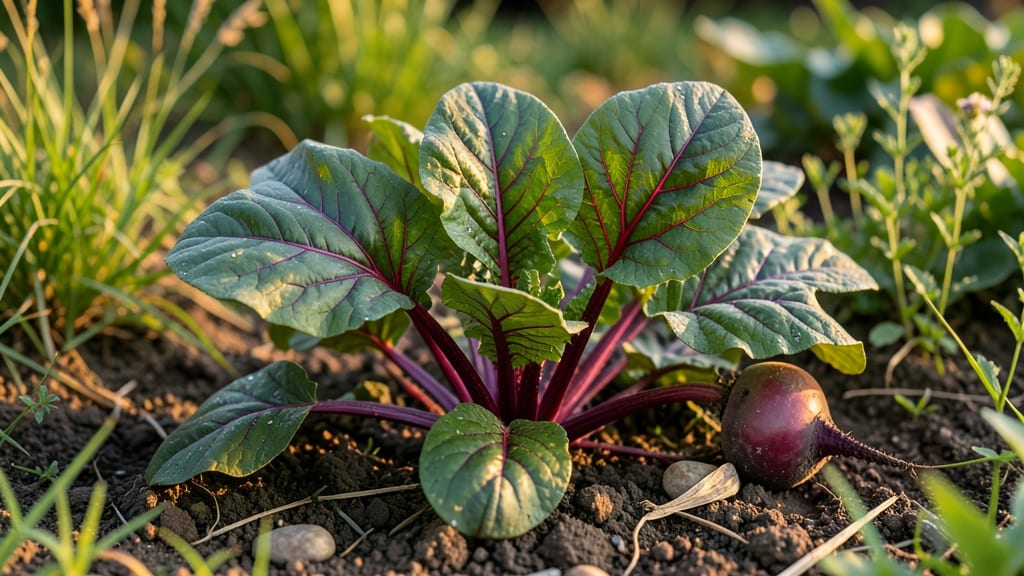
Growing beets from seed to a harvest-ready 🍠 crop takes 55 days on average—but that timeline can stretch or shrink depending on your variety, soil, and timing.
Picture this: you plant your seeds in early spring, only to watch them bolt before the roots even swell. That’s the frustration many gardeners face when they don’t account for temperature swings or overcrowded rows.
With the right approach, you can stretch that seed-to-harvest window by weeks, ensuring tender roots instead of bitter greens. I’ll walk you through the exact days for popular varieties, how to prevent bolting, and the simple tricks that keep your beets growing like clockwork.
By the end, you’ll know when to thin, how much water to give, and the one sign that tells you it’s time to pull—no more guessing, just consistent harvests.

Beets seed to harvest timeline: exact days by variety and climate
When I first started growing beets, I was surprised by how much the harvest time varied between varieties and climates. Understanding these differences helped me plan better and avoid bolting—when beets flower too early and become woody.
The key is matching your variety with your USDA zone and planting at the right time. Let’s break down the exact days to harvest for popular varieties and how temperature affects growth speed.
Beets typically take between 45 to 70 days from seed to harvest, but this range can shrink or expand based on your climate zone and the specific variety.
For example, Detroit Dark Red beets, a classic heirloom, mature faster in cooler zones like USDA Zone 5 (50–60 days) compared to hotter zones like Zone 9 (60–70 days).
Meanwhile, Chioggia beets, with their stunning striped patterns, often take 5–7 extra days to reach harvest size, especially in warmer climates.
| Variety | Days to Harvest (Cooler Zones: 5-7) | Days to Harvest (Warmer Zones: 8-10) | Bolting Risk | Best Planting Window |
|---|---|---|---|---|
| Detroit Dark Red | 50–60 days | 60–70 days | Moderate (plant early/late) | March–April or August–September |
| Golden Beets | 45–55 days | 55–65 days | Low (heat-tolerant) | April–May or July–August |
| Chioggia (Striped) | 55–65 days | 65–75 days | High (slow to mature) | March–April (spring only) |
| Baby Beets (All Varieties) | 30–40 days | 35–45 days | Low (harvest young) | Succession plant every 2 weeks |
The Detroit Dark Red variety is my go-to for cooler climates because it matures quickly and handles light frosts better than others.
In Zone 5, I’ve harvested these beauties in as few as 50 days when planted in early spring, but in Zone 9, the same seeds can take up to 70 days due to higher temperatures.
The extra heat slows down root development, so I always plant a second crop in late summer to avoid the worst of the summer heat.
If you’re growing Golden Beets, you’ll notice they’re the fastest to harvest, often ready in 45–55 days. Their golden hue is a dead giveaway, and they’re less prone to bolting in heat, making them ideal for warmer zones (8–10).
I’ve even grown them successfully in Zone 10 by planting in late summer to avoid the peak heat. Their sweet flavor makes them a favorite for quick harvests.
For Chioggia beets, patience is key. Their stunning striped patterns take longer to develop, and they’re more likely to bolt if planted too early in warm climates.
In Zone 6, I’ve had success with a 55–65 day harvest window, but in Zone 8, I push it to 65–75 days by starting seeds indoors 4 weeks before the last frost. The trade-off is worth it—their unique look adds a splash of color to any dish!
One of the biggest mistakes I’ve made is ignoring soil temperature when planting beets. Seeds won’t germinate well in cold soil (below 50°F), and warm soil (above 80°F) can trigger bolting.
I now use a soil thermometer to ensure temperatures are between 60–75°F for optimal germination and growth. This small tool has saved me from wasted seeds and bitter harvests.
To extend your harvest window, consider succession planting. For baby beets, I sow seeds every 2 weeks from spring to early summer, ensuring a steady supply of tender roots. For mature beets, I focus on two main plantings: one in early spring and another in late summer.
This strategy works especially well in USDA Zones 4–7, where summers can be too hot for consistent growth.
Finally, don’t forget
How to prevent bolting in beets: critical timing tips for longer harvests
Bolting—when beets send up flower stalks—turns sweet roots into bitter disappointment. The key to preventing it? Timing. Beets bolt when exposed to consistent temperatures above 75°F for more than 2-3 weeks, or when days get too long.
I’ve learned the hard way that late spring plantings in hot zones can ruin an entire crop.
Your first line of defense is choosing the right planting window. In most climates, aim for early spring (as soon as soil reaches 50°F) or late summer (6-8 weeks before first frost).
This gives roots time to mature before heat triggers bolting. For example, in Zone 6a, I plant my Detroit Dark Red seeds in March and again in August—never June.
Here’s the secret to stretching your harvest window: soil temperature matters just as much as air temperature. Use a soil thermometer to confirm readings between 50-70°F—any hotter and bolting risks spike.
I mulch heavily with straw to keep roots cool, which buys me an extra 2-3 weeks of growth before summer heat sets in.
- 1 Plant seeds when soil temps are 50-70°F—never above 75°F for extended periods.
- 2 Use shade cloth (30-50%) during peak summer heat to delay bolting by 10-14 days.
- 3 Choose companion plants like lettuce or radishes—their quick harvests free up space before beets bolt.
- 4 Thin seedlings to 3 inches apart—crowding stresses plants and speeds up bolting.
- 5 Harvest greens first (when 4-6" tall) to reduce competition for root growth.
Don’t overlook the power of companion planting. I’ve found that interplanting beets with lettuce or radishes works like magic. Radishes mature in just 30 days, so you can pull them before they shade out your beets.
Lettuce, with its shallow roots, doesn’t compete for nutrients. Both strategies buy you critical time in the garden.
One mistake I made early on was ignoring the daylength trigger. Beets sense long days (14+ hours of light) and bolt faster. In northern climates, this isn’t an issue, but in the South, I now use row covers to block extra light during critical growth stages.
Even a simple black plastic mulch can reduce soil heat by 10-15°F, delaying bolting by weeks.
Finally, watch for the first sign of bolting: elongated stems or flower buds. At this point, harvest immediately for greens or pull the entire plant.
With these timing tricks, I’ve extended my beet harvest from 4 weeks to nearly 10 weeks—proof that a little planning goes a long way. 🌱