
How To
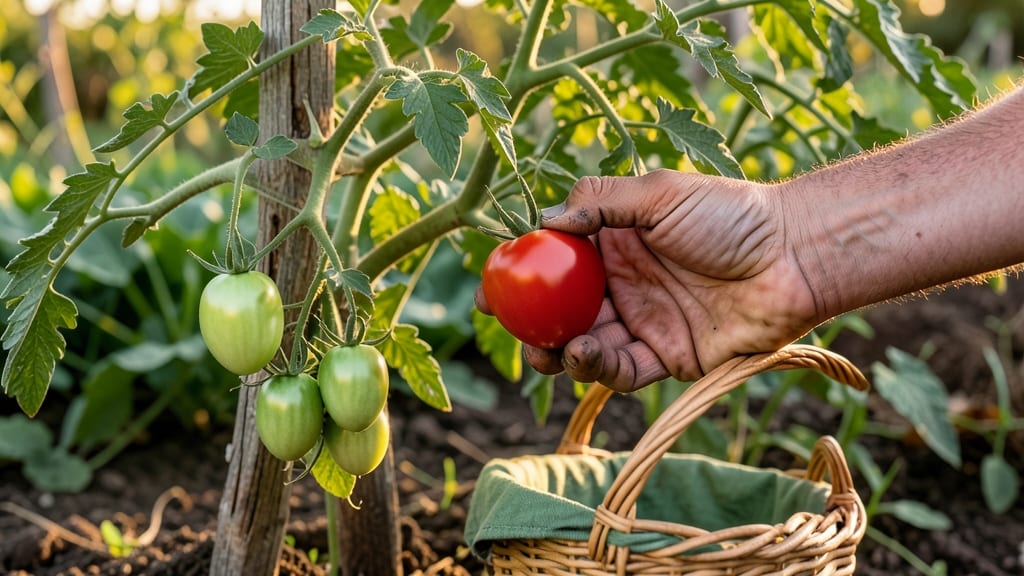
The best time of day to pick tomatoes is early morning, when temperatures are cool and humidity is low—this preserves their flavor and texture for days to come.
Picture this: you’ve been waiting weeks for that first ripe 🍅, and then—pop—you slice into a tomato that’s mealy, bland, or even split open from heat stress. That’s what happens when you harvest at the wrong time, and it’s more common than you’d think.
Morning picking isn’t just about convenience—it’s science. Cooler temps slow down sugar breakdown, keeping those tomatoes sweeter longer, while avoiding the midday heat prevents sunscald and cracking. Plus, you’ll spot ripeness cues more clearly before the sun beats down.
In this guide, I’ll break down the exact signs to watch for, how variety matters, and why skipping the afternoon harvest could save your crop from spoiling faster. Let’s get those tomatoes off the vine at their peak!

Why morning harvesting maximizes tomato flavor and quality
There’s a science-backed reason why gardeners swear by morning tomato harvesting: cooler temperatures and lower humidity preserve the peak sweetness and texture of your fruit. When you pick tomatoes in the early morning hours, you’re capturing their natural sugar concentration before the sun’s heat triggers enzymatic breakdown.
The ideal harvest window is between 6 AM and 9 AM, when dew has evaporated but temperatures remain mild. This timing minimizes heat stress on the fruit, which can cause sugars to convert into starches—turning your juicy, flavorful tomatoes into mealy, bland ones.
Plus, morning harvests reduce pathogen exposure from evening moisture.
Tomatoes left on the vine during peak afternoon heat (especially when temps exceed 85°F/29°C) suffer from accelerated ripening. This process breaks down cell walls, leading to overripe, seedy fruit with reduced shelf life.
The acid-sugar balance also shifts, making them taste less vibrant and more watery.
Another critical factor is ethylene gas production, which spikes in late afternoon. Ethylene is the natural ripening hormone that softens tomatoes and triggers color changes. Harvesting in the morning slows this process, allowing you to transport and store tomatoes longer without overripening.
| Time of Day | Temperature Range | Humidity Level | Flavor Impact | Storage Life |
|---|---|---|---|---|
| 6 AM - 9 AM | 55°F - 75°F (13°C - 24°C) | Low to Moderate | Peak sweetness, crisp texture | 5-7 days at room temp |
| 10 AM - 2 PM | 75°F - 95°F (24°C - 35°C) | Moderate to High | Reduced sweetness, softer texture | 3-5 days (overripening risk) |
| 3 PM - Evening | 80°F+ (27°C+) | High (evening dew) | Mealy, watery, fermented notes | 1-3 days (rapid spoilage) |
Morning-picked tomatoes also retain higher levels of antioxidants like lycopene and vitamin C, which degrade when exposed to prolonged heat. Studies show that lycopene content can drop by up to 30% in tomatoes harvested in the afternoon compared to morning-picked fruit.
For nutrient-dense tomatoes, timing matters as much as soil health and sun exposure.
If you’re growing heirloom varieties with thin skins, morning harvesting is even more critical. These tomatoes overripen quickly in heat, leading to cracking and rot. Even hybrid varieties benefit from cooler harvests, though their thicker skins give them slightly more forgiveness during hotter times of day.
One common misconception is that red color alone determines ripeness. While color change is a key indicator, harvest timing affects how that color translates to flavor. A tomato picked at peak morning ripeness will develop deeper red hues and richer taste when stored at room temperature for 2-3 days.
Afternoon-picked tomatoes, however, may never reach their full flavor potential.
For greenhouse growers or those in humid climates, morning harvesting also reduces fungal risks. Wet foliage from evening dew or overhead watering creates the perfect conditions for blight and mold.
By picking in the morning, you minimize pathogen entry points and extend the health of your tomato plants.
Pro tip: If you must harvest later in the day, choose fully ripe tomatoes (those with yellow stem ends) and store them immediately in a shady, cool place. Never leave ripe tomatoes on the vine overnight, as nocturnal temperature drops can accelerate rotting.
Next time you’re in your garden, grab your harvest basket at dawn—your taste buds (and your tomatoes) will thank you! 🌱
Step-by-step guide to picking tomatoes at the perfect time
Harvesting tomatoes at the right time ensures maximum flavor and prevents waste. The perfect moment is when they’re fully ripe but still firm enough to handle. Look for deep color (not just surface blush) and a slight give when gently squeezed.
These cues tell you the sugars have peaked and the seeds are mature.
Don’t wait until tomatoes are overripe or they’ll split on the vine from heat stress. Overripe tomatoes lose their vibrant flavors and become mealy, while underripe ones stay hard and bland. The key is to pick them when they’re ready to eat but still sturdy enough to transport without bruising.
⚠️ callout warning ⚠️
Harvesting in the morning prevents heat stress and sunscald, which can ruin flavor and texture. Cooler temps slow sugar breakdown, preserving sweetness. Avoid picking in the afternoon when temperatures exceed 85°F (29°C)—this causes rapid ripening and splitting.
Pro Tip: Use a sharp pruning shears to avoid damaging the plant. Always twist gently or cut the stem to prevent disease entry points.
Start by examining the stem end—it should turn yellow or brown, indicating ripeness. If it’s still green, the tomato needs more time on the vine. Next, check the skin texture: ripe tomatoes yield slightly to gentle pressure but don’t feel mushy.
A fully ripe tomato should also separate easily from the vine when you twist it gently.
Pay attention to the color consistency. Some heirloom varieties develop streaks or mottled patterns as they ripen, while others turn uniformly red, yellow, or purple. If the color is uneven, the tomato isn’t fully ripe yet.
Harvesting too early can stunt flavor development, so be patient—especially with heirloom varieties, which often take longer to ripen.
If you’re unsure whether a tomato is ready, use the float test: drop it in a bowl of water. Ripe tomatoes will float because their internal air pockets increase as they ripen.
Unripe ones sink. This trick works best for large varieties like Beefsteak or Brandywine, which have more pronounced air chambers.
Once you’ve picked your tomatoes, store them at room temperature until fully ripe (if not already). Avoid refrigerating until they’re ripe—cold temperatures can dull their flavor. Place them in a single layer with space between them to prevent mold and rot.
With the right timing, you’ll enjoy tomatoes that burst with sweetness and juiciness every time!