
How To
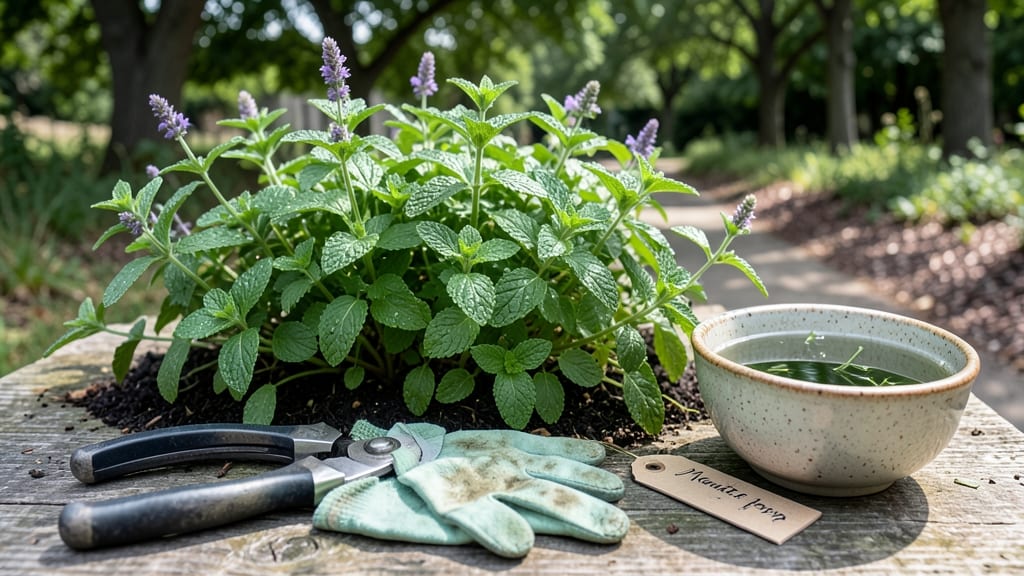
Harvesting mint at the right time—when its stems snap easily—is the best way to keep your 🌿 plant thriving and packed with flavor.
Fresh mint isn’t just delicious—it’s a powerhouse herb that thrives when harvested correctly, and knowing when stems snap easily is the secret to a thriving, productive plant.
Skip this step, and you risk stunting growth or ending up with bitter leaves. But get it right, and you’ll enjoy a steady supply of fragrant, vibrant mint all season long.
In this guide, I’ll walk you through the exact timing, tools, and techniques to harvest mint like a pro—plus the 3 pro tips that’ll keep your plant happy and your kitchen stocked.

When and how to harvest mint for maximum flavor and growth
Harvesting mint at the right time isn’t just about getting fresh leaves—it’s about preserving your plant’s health and encouraging bushier regrowth. The key? Timing it when stems snap easily between your fingers, a sign the plant has stored enough energy to bounce back.
I’ve learned the hard way that harvesting too early or too late can leave your mint looking leggy, sparse, or woody, so let’s break down the science behind the perfect harvest window.
Mint thrives in three main harvest seasons: spring, summer, and early fall. Each offers unique benefits—spring harvests yield tender, flavorful leaves, while summer harvests provide the most abundant growth. Fall harvests, however, should focus on preparing the plant for dormancy rather than heavy pruning.
The stem snapping test is your best friend here: if a stem bends but doesn’t break cleanly, wait a few days.
Before diving into tools, let’s clarify the visual cues that signal your mint is ready. Look for vibrant green leaves that are 4-6 inches tall and fully unfurled. The stems should feel firm but pliable, not brittle or rubbery.
A crushed leaf should release that bold, refreshing mint aroma—if it’s faint, your plant needs more time to mature.
Now, let’s talk tools. You don’t need much: sharp scissors or pruning shears (to avoid crushing stems) and clean gloves (to protect your hands from oils that can cause skin irritation).
I always keep a small bowl nearby to collect the harvest and prevent leaves from wilting before I use them.
Here’s the golden rule for harvesting mint: never remove more than one-third of the plant at once. This ensures your mint has enough foliage to photosynthesize and regrow.
I like to start by trimming the top sets of leaves first, which encourages the plant to branch out and become bushier. For a continuous harvest, aim to pluck leaves every 4-6 weeks during the growing season.
There’s a common misconception that you should harvest mint by cutting the stems at the base. This is a big mistake—it can kill the plant by removing its energy source. Instead, cut just above a leaf node (where leaves meet the stem).
This encourages new growth from that point. I’ve seen mint plants recover from poor harvesting practices, but it takes patience and consistent care.
Morning is the best time to harvest mint because the leaves are hydrated and packed with flavor. Avoid harvesting after noon, as the oils in the leaves can become concentrated and bitter.
If you’re harvesting for culinary use, rinse the leaves briefly under cool water and pat them dry with a paper towel to remove any dirt or debris.
For long-term storage, trim the stems into 4-inch bunches and place them in a jar of water on your countertop. Change the water every 2-3 days to keep the leaves fresh.
Alternatively, you can freeze mint leaves in ice cube trays with water or oil for later use. This method preserves the flavor and aroma beautifully.
If your mint starts to bolt (flower), it’s a sign it’s time to harvest heavily or remove the flower spikes entirely. Bolting usually happens when mint is stressed or over-mature.
To prevent this, harvest regularly and ensure your plant gets partial shade and consistent moisture. A bolted mint plant will still produce leaves, but they’ll be less flavorful.
With the right techniques, your mint can produce leaves year-round, even indoors. Just remember:
3 Pro tips to harvest mint like a gardening expert
Harvesting mint the right way isn’t just about snipping leaves—it’s about encouraging your plant to grow bushier and healthier. Many gardeners make the mistake of cutting too close to the base or harvesting at the wrong time, which can stunt growth or even kill the plant.
I’ve learned through trial and error that timing, technique, and post-harvest care make all the difference.
The key to a thriving mint plant starts with understanding when to harvest. The stems should snap easily when bent—this means the plant is mature enough to give up leaves without stress.
If you’re unsure, pinch a stem between your fingers; if it breaks cleanly, it’s ready. This simple test ensures you’re harvesting at peak flavor and oil content.
- 1. Prune for bushier growth: Always cut just above a leaf node (where leaves meet the stem) to encourage new shoots. Avoid cutting into woody stems, as this can damage the plant.
- 2. Store fresh mint properly: Wrap stems in a damp paper towel and place in a sealed bag in the fridge. This keeps mint fresh for up to 2 weeks while preserving its vibrant green color and flavor.
- 3. Revive wilted stems: If your mint looks droopy after harvesting, trim the wilted parts and place the stems in a jar of fresh water. Within 24 hours, new growth will often sprout, giving you a second chance at fresh leaves.
One of my favorite tricks is to harvest mint in the morning. The leaves are at their most flavorful and hydrated after a night’s rest. Plus, morning harvests give you time to use or store the mint before the heat of the day causes wilting.
I like to gather a small bunch, rinse it under cold water, and then pat it dry before storing.
Don’t forget that regular harvesting encourages growth. Mint plants grow quickly, and if you leave them unharvested, they can become leggy or woody. By pruning consistently, you’ll keep your plant compact, lush, and full of flavor.
I harvest mine every 2-3 weeks during the growing season to maintain this ideal shape.
If you’re growing mint in containers, be extra mindful of root space. Overcrowded roots can lead to weak stems and poor growth. To avoid this, I repot my mint every 1-2 years or divide clumps in early spring.
This simple step ensures your plant has enough room to thrive and produce abundant leaves for years to come.
With these pro tips, you’ll never run out of fresh mint again. Whether you’re using it in teas, cocktails, or homemade remedies, a well-harvested mint plant is the secret to endless possibilities. Happy gardening! 🌱