
How To
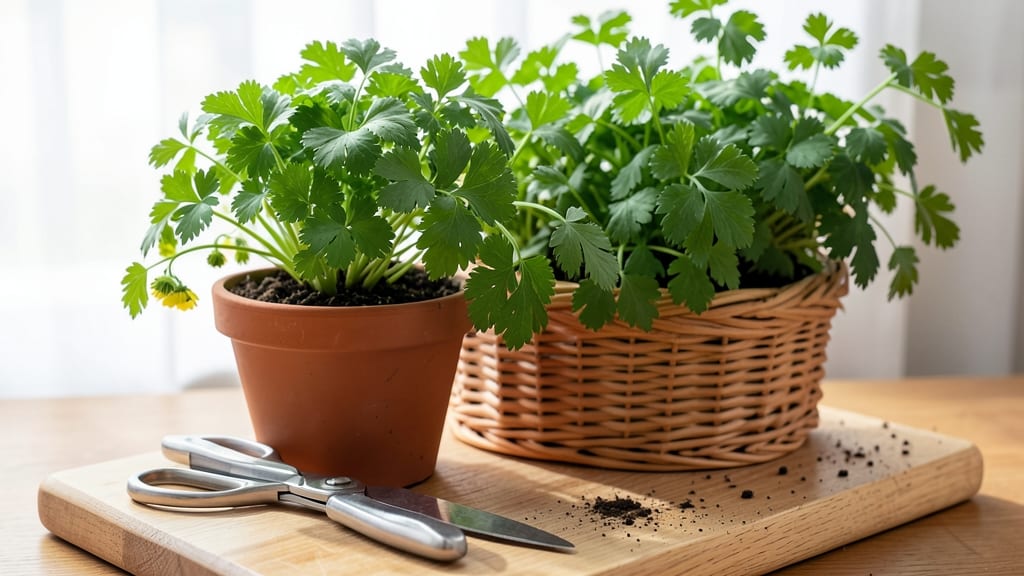
Harvesting parsley the best way ensures your garden stays productive and flavorful all season long 🌿 — and it’s simpler than you think.
Picture this: you’ve nurtured your parsley for months, only to watch it bolt or wilt after a single wrong cut. That’s why timing and technique matter—harvest too much too soon, and you’ll stunt growth. But get it right, and you’ll enjoy fresh, vibrant parsley for months.
Here’s the secret: focus on cut-and-come-again methods, where you trim stems just above a leaf pair to encourage regrowth. This keeps your parsley bushy and ready for the kitchen, whether you’re snipping bunches or plucking leaves one by one.
In this guide, I’ll walk you through three simple harvesting techniques, when to harvest for peak flavor, and how to store your bounty so it stays crisp and ready to use—no wasted leaves or sad, leggy plants in sight.

3 Best parsley harvesting techniques for maximum freshness and growth
Parsley thrives when you harvest it the right way, but many gardeners accidentally damage their plants by cutting too aggressively or at the wrong time. The key is to use gentle techniques that encourage regrowth while maintaining flavor and texture.
Whether you're growing flat-leaf or curly parsley, these methods will keep your plants productive all season.
I’ve tested all three techniques in my garden, and the difference in growth is night and day. The cut-and-come-again method is my go-to for continuous harvests, while stem pruning works best when you need larger bunches.
For delicate use, like garnishes, I reach for leaf-by-leaf harvesting. Let’s dive into the details so you can pick the best approach for your needs.
Trim outer stems 1-2 inches above ground to encourage bushier growth. Ideal for continuous harvests every 2-3 weeks.
Cut entire stems at base when leaves reach 6-8 inches. Perfect for large bunches and reduces legginess.
Pinch off outer leaves only to preserve plant shape. Best for garnishes and minimal regrowth impact.
The cut-and-come-again method is my favorite because it keeps parsley productive for months. Start by identifying the outer stems—these are the oldest and ready for harvest. Use clean, sharp pruning shears or scissors to cut just above a leaf pair (about 1-2 inches from the base).
This encourages new growth from the center, creating a fuller plant. I harvest this way every 2-3 weeks during peak growing months (May-October).
For larger harvests, like when I need parsley for a big batch of pesto, I switch to stem pruning. Wait until the plant has at least 6-8 mature leaves before cutting the entire stem at the base.
This method works best in spring and early summer when growth is vigorous. Just avoid harvesting more than one-third of the plant at once to prevent shock.
If you’re using parsley mostly for garnishes or small recipes, leaf-by-leaf harvesting is the gentlest option. Simply pinch off the outer leaves with your fingers, leaving the inner growth intact.
This keeps the plant looking neat and encourages slower, steady regrowth. I use this method in late summer when growth slows, and I only need a few leaves at a time.
Timing matters just as much as technique. Always harvest in the morning after dew has dried but before the sun gets too intense. This ensures the leaves stay crisp and flavorful.
Avoid harvesting after heavy rain, as wet leaves can develop fungal issues if left to dry on the plant. I also steer clear of harvesting when the plant is bolting (sending up flower stalks)—this makes the leaves bitter and tough.
One mistake I see often is cutting stems too close to the ground. Always leave at least 1-2 inches of stem to protect the growth point. Another common error is harvesting too aggressively in early spring when the plant is still establishing roots.
Wait until the plant is at least 6 inches tall before starting regular harvests. This gives the roots time to develop and support new growth.
To maximize flavor, harvest parsley when the leaves are dark green and fully formed, but before the plant bolts. The earlier in the season you harvest, the milder the flavor.
For the strongest taste, wait until late summer when the plant has matured. Just be sure to harvest before the first frost, as cold temperatures turn the leaves bitter and mushy.
After harvesting, store parsley properly to extend its freshness. Wrap stems loosely in a damp paper towel and place them in a resealable plastic bag in the fridge. This keeps them crisp for up to 2 weeks.
For longer storage, freeze harvested stems in an airtight container with a bit of water—perfect for soups and stews later in the year.
With these three techniques, you’ll never waste a single parsley leaf again. Whether you’re snipping for a salad or pruning for a big harvest, your plants will stay healthy, productive, and full of flavor all season long 🌱.
When and how often to harvest parsley to avoid stunted plants
Timing your parsley harvests is the key to a thriving plant 🌿. Unlike some herbs, parsley doesn't like aggressive harvesting—overdoing it can leave you with a leggy, sparse plant instead of a lush, flavorful one.
The best time to harvest parsley is when it's mature but not flowering, typically 75-90 days after planting when leaves reach 3-6 inches in height.
For continuous harvests, focus on early morning cuts when leaves are crispest and moisture levels are ideal. This also gives your plant the entire day to recover before evening temperatures drop.
I’ve found that harvesting in spring and early fall yields the most tender, flavorful leaves—avoid heavy harvests in summer heat, which can stress the plant.
Now, let’s talk frequency. Most gardeners make the mistake of harvesting too much too soon. A good rule of thumb is to never remove more than one-third of the plant at a time.
If you’re harvesting leaf-by-leaf, you can do this every 2-3 weeks without harm. For stem pruning, wait until the plant has 6-8 mature leaves before making your first cut.
If your parsley starts looking leggy, sparse, or develops yellowing leaves, you’re likely harvesting too much. Here’s how to fix it:
- Stop harvesting for 2-3 weeks to let the plant recover.
- Give it bright, indirect light and consistent water (but avoid overwatering).
- Apply a light fertilizer (5-10-10) to encourage regrowth.
🌱 Pro Tip: Always cut just above a leaf pair to stimulate new growth.
For a continuous supply, I recommend a cut-and-come-again approach. Trim the outer stems first, leaving the inner leaves to keep growing. This method works best when parsley is 6-12 inches tall and has at least 4-6 mature leaves.
If you’re growing parsley in containers, be extra cautious—smaller plants have less reserve energy to bounce back from heavy harvesting.
In late summer or early fall, parsley may start to bolt (send up flower stalks). If this happens, harvest the entire plant before it flowers—bolting makes leaves bitter and woody.
For a second harvest, you can replant seeds in late summer (August-September) for a fall crop, but avoid harvesting until the new growth is at least 3 inches tall.
To keep your parsley productive, rotate your harvesting spots if you have multiple plants. This prevents over-stressing any single plant and ensures a steady supply.
Store harvested parsley in the fridge (wrapped in a damp paper towel) for up to 2 weeks, or freeze it in ice cube trays for easy future use. With the right timing, you’ll enjoy fresh parsley all season long without sacrificing plant health! ✂️