
Vegetables
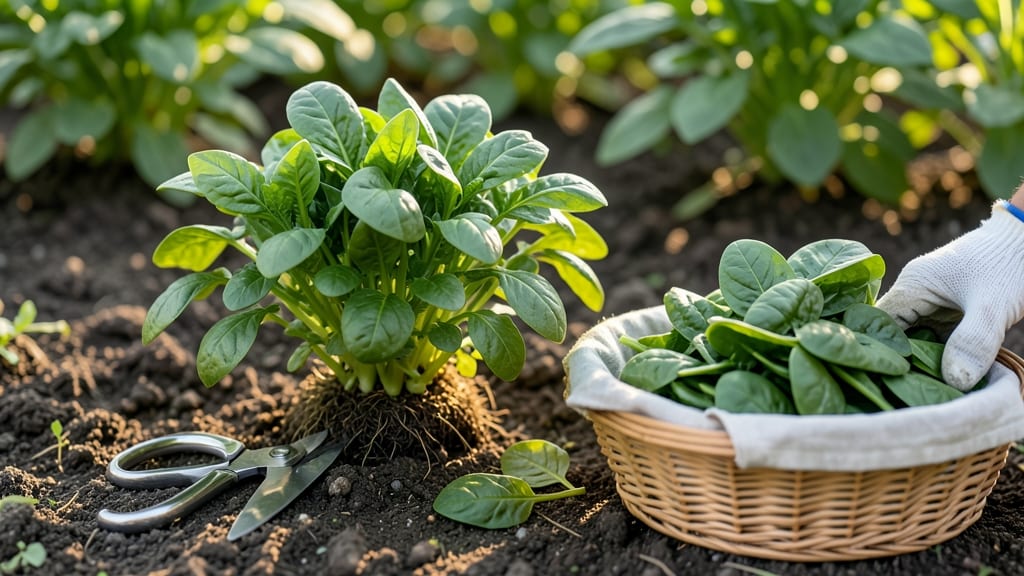
The best way to harvest spinach at the right time ensures tender, flavorful leaves and keeps your 🥬 plants producing for weeks.
Picture this: you’ve nurtured your spinach through cool spring mornings, only to watch it bolt or turn bitter before you can enjoy it. That’s why timing—picking leaves when they’re 4-6 inches long—is the game-changer between a handful of greens and a bountiful harvest.
You’ll learn the exact moment to snip or pluck leaves, whether to cut or pull for regrowth, and how often to harvest without stressing the plant. No more wasted effort or sad, stringy leaves—just a steady supply of fresh, crisp spinach straight from your garden.
From tools to storage tips, I’ve got you covered so your spinach stays sweet, your plants keep growing, and you never miss the window again.

Optimal harvesting time and techniques for spinach leaves
Harvesting spinach at the right time transforms your garden into a continuous leafy green factory. The key is patience—waiting for leaves to reach 4-6 inches long ensures tender, flavorful harvests while preventing bitterness.
When you harvest too early, you miss out on maximum yield, and harvesting too late risks bolting, where spinach sends up a flower stalk and becomes tough.
Timing your harvest correctly also depends on the season. In spring and fall, spinach thrives in cooler temperatures, making it ideal for early morning harvests when leaves are crisp and hydrated. During summer heat, spinach may bolt prematurely, so focus on harvesting young leaves frequently to extend the season.
Understanding these seasonal nuances is what separates a short-lived harvest from a prolonged bounty.
For the best flavor and texture, harvest spinach leaves when they’re 4-6 inches long. This size ensures they’re fully developed but still tender. If you let them grow larger, they’ll start to taste bitter and develop a fibrous texture.
Use a clean pair of scissors or your fingers to snip or pluck leaves just above the soil line—this encourages new growth from the base.
When harvesting, always prioritize the outer leaves first. This method protects the inner, younger leaves and allows the plant to continue producing. Think of it like trimming a hedge: you’re shaping the plant to encourage dense, continuous growth.
If you harvest from the center, you risk exposing the heart of the plant to pests or disease.
Seasonal timing plays a crucial role in spinach harvesting. In spring and fall, when temperatures are cooler, spinach grows rapidly and can be harvested every 7-10 days.
However, during summer heat, spinach may bolt quickly, so focus on harvesting smaller, younger leaves more frequently to extend the harvest window. If you notice flower stalks forming, it’s a sign to harvest immediately and avoid future bolting.
To maximize your spinach yield, avoid harvesting more than one-third of the plant at a time. This rule prevents stress and allows the plant to recover and produce new leaves.
If you’re growing spinach in containers, be extra gentle—root systems are more delicate, and overharvesting can stunt growth. Always use sterilized tools to prevent the spread of disease.
One common mistake is harvesting spinach during the hottest part of the day. Leaves wilt quickly in direct sunlight, making them less flavorful and more prone to damage.
Instead, harvest in the early morning when leaves are crisp and hydrated. This also gives any damaged leaves time to recover before nightfall, reducing stress on the plant.
If you’re growing spinach for a continuous harvest, consider succession planting. Sow new seeds every 2-3 weeks throughout the growing season. This ensures you always have fresh spinach ready to harvest, regardless of weather conditions.
Pair this with proper soil care—rich, well-draining soil with plenty of organic matter—to keep your spinach thriving.
Finally, store harvested spinach properly to maintain freshness. Rinse leaves gently, pat them dry, and store them in a plastic bag with a paper towel to absorb moisture. Keep them in the crisper drawer of your fridge for up to 5-7 days.
For longer storage, consider blanching and freezing, but fresh spinach is always the best choice for salads and cooking.
How to harvest spinach without damaging the plant: step-by-step guide
Harvesting spinach correctly is the secret to enjoying tender, flavorful leaves all season long. The key is to use the right technique—whether you're cutting or plucking—while leaving enough foliage for regrowth.
If you've ever struggled with bitter-tasting spinach or plants that bolt too soon, this guide will show you how to do it right.
Spinach thrives when you harvest it early and often, but timing matters. Aim to pick leaves when they reach 4-6 inches long and are fully developed.
This ensures the plant keeps producing new growth instead of going to seed. Let’s break down the exact steps to harvest without harming your plants.
🌱 Step-by-Step Spinach Harvesting Guide
- Step 1: Choose the right leaves. Pick the outer leaves first—they’re fully mature and ready to eat. Leave the inner, younger leaves to keep growing.
- Step 2: Decide your method. Use clean scissors or shears to snip leaves just above a leaf node (where new growth emerges). For small leaves, your fingers work fine—just pinch the stem at the base.
- Step 3: Avoid overharvesting. Never take more than 1/3 of the plant at once. This ensures the plant stays healthy and keeps producing.
- Step 4: Space harvests 1-2 weeks apart. Spinach grows quickly, so you can harvest every 7-14 days for continuous production.
- Step 5: Water and fertilize after harvesting. Give your spinach a light drink of water and a balanced fertilizer (like 10-10-10) to encourage regrowth.
Using the right tools makes all the difference. Clean scissors or shears prevent tearing, while damp fingers work well for delicate leaves. Always sanitize your tools with a 10% bleach solution or rubbing alcohol to avoid spreading disease.
After harvesting, store spinach in the fridge for up to 5-7 days. Place it in a perforated plastic bag with a paper towel to absorb moisture and keep it crisp. For longer storage, blanch and freeze the leaves—this preserves their nutrients and flavor.
With these steps, your spinach will stay productive and healthy all season. Happy harvesting—your garden (and taste buds) will thank you! 🥬