
Picking
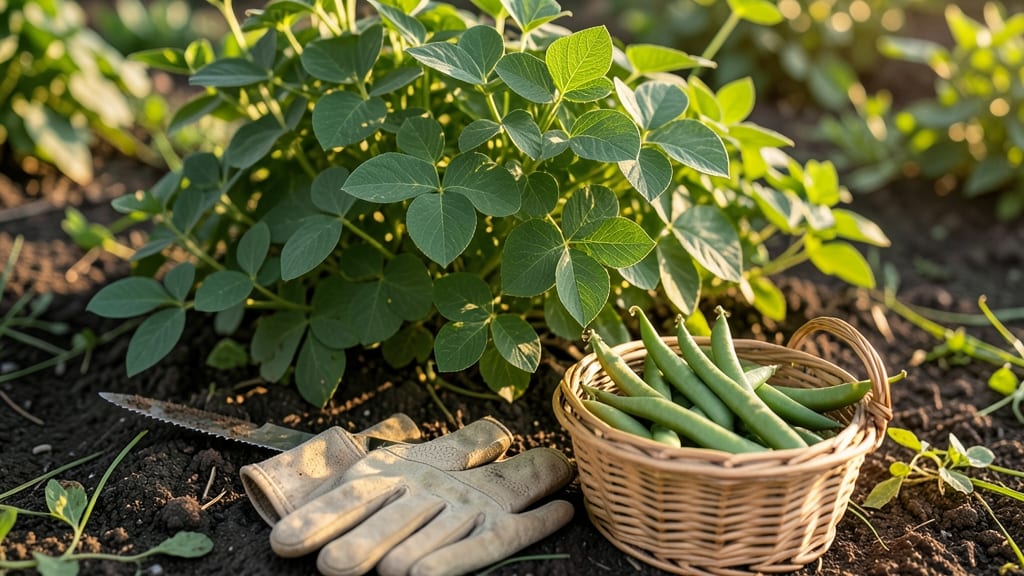
Harvesting bush beans 🌱 at the right time turns your garden into a flavor factory—wait too long, and you’re left with tough, stringy pods.
Most gardeners miss the window because they focus on days after planting instead of what the pods actually look like. The truth? Peak flavor comes when pods are 4-6 inches long, snap crisply, and have visible seeds that aren’t bulging.
In USDA Zone 6a, that usually means June through August, but don’t rely on the calendar—check the beans themselves. A pod that’s still firm and green is ready; let it linger, and you’ll sacrifice sweetness for fiber.
Below, I’ll walk you through the three visual cues to pick at the perfect moment, plus how to keep the harvest coming all season long.

3 Visual cues that signal perfect bush bean harvest time
Timing your bush bean harvest correctly transforms your garden into a flavor factory. When you pick these legumes at the wrong stage, you risk tough, fibrous pods that lack the crisp sweetness we all crave. The good news?
Your beans practically tell you when they're ready—you just need to know what to look for. I've learned that mastering three key visual cues can turn a mediocre harvest into a bounty of garden-fresh perfection.
Most gardeners focus on days-to-maturity when planning their harvest schedule, but the truth is, pod characteristics are far more reliable indicators. Bush beans mature quickly—typically between 55-70 days—but their flavor peaks at a very specific window.
Missing this window means sacrificing that sweet, tender texture that makes homegrown beans so special. Let me show you exactly what to watch for in your garden.
-
1Pod Size: 4-6 inches long and plump (not skinny or shriveled)
-
2Pod Color: Solid green (no yellowing or brown spots)
-
3Pod Texture: Firm and crisp (snaps cleanly when bent, not mushy)
-
4Seed Visibility: Visible but not bulging (seeds should be forming but not fully developed)
Let's start with the most obvious cue: pod size. When your bush beans reach 4-6 inches in length, that's your golden window. I've noticed that pods smaller than 3 inches often taste underdeveloped and bland, while anything longer than 6 inches becomes tough and stringy.
The key is consistency—if most pods on a plant are within this range, it's time to harvest. Remember, bush beans produce continuously, so you'll need to check your plants every 2-3 days during peak production.
Color is your second critical clue, and it's often overlooked. Perfectly ripe bush beans should be a vibrant, uniform green—no yellowing or brown patches. I once harvested a batch of beans that had slight yellowing on the pods, and while they were edible, they lacked that fresh, garden-grown snap.
The color change happens quickly, so don't wait too long after noticing the first hints of yellow. Also, watch for any brown spots which indicate disease or pest damage, not just ripeness.
Texture is where many gardeners get tripped up. The ideal bush bean pod should feel firm and crisp—almost like a fresh green bean from the store, but better. To test this, simply pick up a pod and gently bend it.
If it snaps cleanly with a slight crackling sound, it's ready. If it bends without resistance or feels mushy, it's past its prime. I've learned to carry a small pair of scissors in my gardening apron just for this quick test—it saves so much time compared to taking everything indoors.
One visual cue that often surprises new gardeners is the seed development stage. At perfect harvest time, you should see small seeds forming inside the pods, but they shouldn't be bulging or pressing against the pod walls.
When seeds become too prominent, the pods start converting their energy from growth to seed development, which makes them tougher and less flavorful. Think of it like catching a fish at just the right size—too small and it's not ready, too big and it's overdone.
Here's a trick I use that's saved me from harvesting too early: the pod thickness test. Gently press your thumb and forefinger along the length of a pod. At the perfect harvest stage, you should feel a slight give but still maintain a firm structure.
If the pod feels like it's collapsing under pressure, it's overripe. This test works particularly well for varieties with thinner pods, which can be trickier to judge by size alone.
Seasonal variations can affect these visual cues, so pay attention to your local climate. In cooler regions, beans might mature slightly slower and maintain their crispness longer. In hotter climates, pods can dry out faster, so you might need to harvest more frequently.
I've found that in my Zone 7 garden, the best harvest window often shifts slightly earlier in July when temperatures climb above 90°F. Always check your beans in the morning when they're at their crispest.
Don't forget to examine the plant itself for additional clues. Healthy bush bean plants will have vibrant green leaves with no yellowing. If you notice leaves starting to brown or pods developing unevenly, it might indicate underwatering, overwatering, or nutrient deficiencies.
I once had a bush bean plant that produced beautiful pods but with inconsistent ripening—the issue turned out to be uneven watering from my sprinkler system. Adjusting to hand-watering at the base solved the problem.
When you master these visual cues, you'll transform your bush bean harvest from a guessing game into a predictable, flavorful success. Start by checking your plants every 2-3 days once they begin flowering, and you'll quickly develop an eye for the perfect moment.
The more you harvest at peak ripeness, the more your plants will reward you with continuous production throughout the season. Happy harvesting!
How to avoid common mistakes when harvesting bush beans
Harvesting bush beans at the wrong time or frequency can mean the difference between a garden full of sweet, tender pods and one filled with tough, stringy rejects. Many gardeners make the same mistakes—like waiting too long or picking too infrequently—which leads to flavor loss and reduced yields.
The key is consistency and attention to detail, especially when it comes to harvest timing and storage practices.
One of the biggest mistakes is harvesting based on calendar dates instead of the beans themselves. Even if your plants are 60-70 days old, the pods might not be ready—especially in cooler climates like USDA Zone 6a.
Always prioritize visual cues over days since planting. Another common error is harvesting too aggressively, which can stress the plant and slow down production. Balance is everything!
If you miss the 4-6 inch harvest window, bush beans quickly become tough and woody. Seeds bulging or pods turning yellow? You’ve waited too long. Always check pods for crispness and firmness—these are your best indicators of peak flavor.
Pro tip: Harvest every 2-3 days during peak production to keep plants focused on new pods.
Frequency matters just as much as timing. For bush beans, I recommend harvesting every 2-3 days during their peak production phase (usually June-August in Zone 6a). This encourages the plant to produce more pods instead of letting them mature into overripe, flavorless shells.
If you’re away for a few days, at least pick 25% of the pods to prevent overgrowth and stress on the plant.
Storage is another area where gardeners often fall short. Freshly harvested bush beans should be used within 3-5 days for the best flavor and texture. Store them in the refrigerator, unwashed, in a paper towel-lined container to absorb moisture.
If you need to preserve them, blanch and freeze them immediately—this locks in sweetness and prevents texture loss. Never store them at room temperature for more than a day, or you’ll risk spoilage.
Finally, watch for signs of overharvesting or underharvesting. If your plants look stressed with yellowing leaves or fewer new pods, you might be harvesting too much. Conversely, if pods are small and underdeveloped, you’re not harvesting often enough.
Adjust your schedule based on the plant’s response—this is how you maximize both yield and flavor all season long.
By paying attention to these details, you’ll avoid the most common pitfalls and enjoy a steady supply of sweet, crisp bush beans all season. Happy harvesting! 🌿