
Vegetables
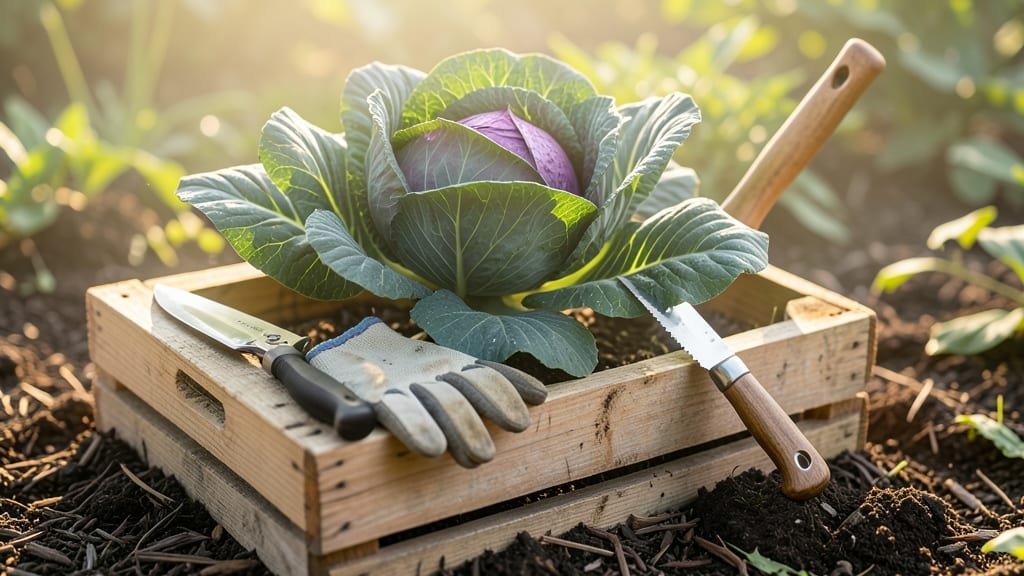
Mastering the cabbage harvest time is the secret to crisp, flavorful heads that stay fresh for weeks.
Picking too early means a meal with disappointing limpness; too late, and you risk splitting heads or bitter flavor. The difference between a perfect harvest and a wasted one often comes down to three simple tactile tests you can do in seconds.
In this guide, I’ll walk you through the exact signs to watch for—from firmness to leaf color—and how seasonal shifts in Zone 6 can push your harvest window just a few days earlier or later.
By the end, you’ll never second-guess whether your cabbage is ready again. No more guesswork, just a foolproof method for peak crunch every time.

3 Tactile tests to determine cabbage harvest time
There's nothing worse than biting into a cabbage that's gone soft or stringy—it ruins the whole meal. The good news? With these 3 tactile tests, you can determine the perfect harvest time by simply touching, lifting, and observing your cabbage heads.
Unlike guessing by days after planting, these hands-on methods give you real-time feedback about flavor and texture.
Cabbage heads mature at different rates depending on variety and growing conditions, but these tests work for green, red, or savoy cabbages. The key is to harvest when the head is firm, heavy, and vibrant—before it starts to split or bolt.
Let's dive into the touch-based secrets that will change how you pick your cabbages forever.
-
Test 1: The Firmness Squeeze
Gently press the outer leaves near the head. Ready cabbages feel firm like a basketball, not soft or spongy. If leaves dent easily, wait 3-5 more days.
-
Test 2: The Weight Lift
Pick up the head by its stem base. A ripe cabbage feels surprisingly heavy for its size—like a 2-3 pound dumbbell. Light heads need more time.
-
Test 3: The Leaf Resilience Twist
Twist a middle leaf gently. If it snaps cleanly (not tears), the head is ready. Wrinkled or yellowing leaves mean it's overripe.
Start with the firmness squeeze—this is your first line of defense against mushy cabbages. I always begin by examining the outer leaves because they protect the tender inner head. If they're tight and crisp, the cabbage inside is likely in peak condition.
Pro tip: Use your thumb and forefinger to pinch the leaf edge. It should feel like freshly laundered cotton, not papery or brittle.
The weight lift is where many gardeners get surprised. A fully mature cabbage head is denser than it looks, thanks to all that stored water and nutrients. If your cabbage feels lighter than expected, it might still need 1-2 weeks to reach full maturity.
This test is especially useful for heirloom varieties like 'Golden Acre' or 'Red Express', which can take longer to bulk up.
Don't overlook the leaf resilience twist—it's the most overlooked test but reveals the most about internal quality. When you twist a leaf and it snaps cleanly, you're hearing the sound of perfect crunch in your future meals.
If leaves tear or feel rubbery, the head has likely bolted (flowered) or been stressed by heat or drought. In this case, harvest immediately—even if not perfectly firm—to avoid bitter flavors.
Combine all three tests for the most accurate reading. For example, a cabbage might pass the firmness test but fail the weight test if it's hollow inside. Or it could feel heavy but have wrinkled leaves from drought stress.
Always cross-reference these tactile clues with visual cues like head size (6-8 inches wide) and color consistency.
Timing matters most in cooler climates where cabbages grow slower. In USDA Zone 6, I've found that spring-planted cabbages often need the full 75-85 days to maturity, while fall crops can mature in as few as 60 days with longer daylight.
Use these tactile tests to override calendar-based guesses—your taste buds will thank you.
One common mistake is harvesting based solely on head size. A large head isn't always ripe—it could be overgrown and woody. Always pair size checks with the tactile tests.
For instance, a 10-inch savoy cabbage might still need a few more days if it feels light and its leaves don't snap crisply. Patience pays off with tender, sweet cabbages that store well.
After harvesting, store cabbages in a cool, dark place (40-45°F) where they'll keep for 2-3 weeks. The tactile tests ensure you're picking cabbages at their peak storage potential, too. No more sad, wilted cabbages in your crisper—just crisp, flavorful heads ready for your favorite recipes.
Master these three tests, and you'll never second-guess your cabbage harvest again. The next time you're standing in your garden, take a moment to touch, lift, and twist—your future coleslaw and stir-fries will thank you. Happy harvesting!
Optimal cabbage harvest time by variety: when to pick for best flavor
Not all cabbages ripen on the same schedule, and harvesting at the wrong time can mean the difference between a crisp, flavorful head and one that’s soft or bitter.
Different varieties—like green cabbage, red cabbage, and Savoy cabbage—have unique timelines and environmental needs. Understanding these nuances ensures you pick your cabbages at peak perfection.
Environmental factors like temperature, daylight hours, and even moisture levels play a critical role in ripening. For example, cooler temperatures slow growth, while longer daylight hours in summer can speed up maturation.
Knowing your local climate zone and adjusting for seasonal shifts helps you predict when your cabbages will be ready for harvest.
| Variety | Days to Maturity | Ideal Harvest Time | Key Ripening Cues |
|---|---|---|---|
| Green Cabbage | 70-100 days | Late summer to early fall | Head firm, 6-8 inches wide, leaves tight |
| Red Cabbage | 80-110 days | Early fall to late fall | Deep purple color, compact head, crisp texture |
| Savoy Cabbage | 60-90 days | Mid-summer to early fall | Crinkled leaves, head 5-7 inches, firm texture |
| Napa Cabbage | 50-70 days | Early summer to late summer | Loose head, pale green, tender leaves |
For green cabbage, aim to harvest when heads reach 6-8 inches in diameter and feel firm to the touch. These varieties typically mature in 70-100 days, making them ideal for late summer or early fall harvests.
If you notice the head starting to split or loosen, it’s past its prime and should be harvested immediately to avoid bolting.
Red cabbage takes slightly longer to mature, usually 80-110 days, and thrives in cooler temperatures. Harvest when the head is fully colored and compact—waiting too long can cause the leaves to yellow or the head to become loose. These cabbages are perfect for late fall harvests and hold their color well when stored properly.
If you’re growing Savoy cabbage, look for heads that are 5-7 inches wide with tightly packed, crinkled leaves. Savoy varieties mature faster than green or red cabbage, often in 60-90 days, making them great for mid-summer harvests.
Their unique texture makes them a favorite for coleslaw and braising, but they must be harvested at the right time to maintain their signature crunch.
Environmental factors like daylight hours and temperature can shift your harvest timeline by weeks. For example, planting in early spring means your cabbages will mature faster due to longer daylight, while a late summer planting may require extra care to protect them from heat stress or early frost.
Always monitor your plants closely and adjust your harvest plans accordingly.
Pro tip: Use a sharp knife to cut the head cleanly, leaving a few outer leaves attached to protect the remaining plant. This method encourages the growth of smaller side heads, giving you a second harvest in some varieties like green cabbage.
Store your harvested cabbages in a cool, dark place to preserve their freshness for weeks.