
Picking
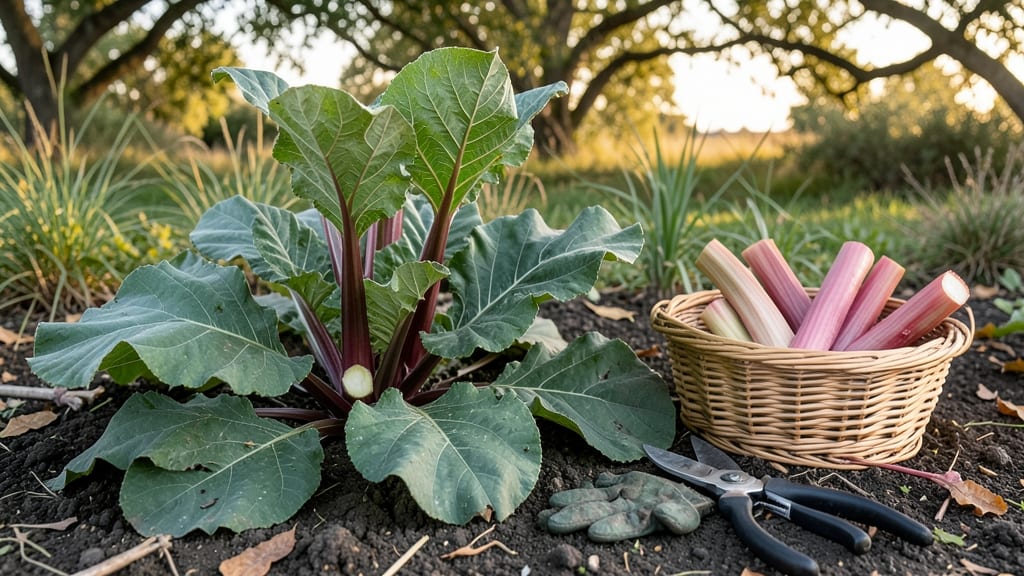
Harvesting rhubarb in September is possible if your climate permits, but timing and technique are everything to avoid weakening the plant for next year.
September brings a critical decision for rhubarb growers: Should you keep harvesting before frost, or let the stalks store energy for next year? The answer depends on your USDA Zone 6a location, variety, and how you plan to use the stalks.
Over-harvesting in late season can starve the crown of nutrients, leaving it vulnerable to frost damage or poor regrowth. Instead, focus on tender, mature stalks—those over 10 inches—and avoid cutting more than one-third of the plant at once.
Below, I’ll walk you through the best late-season harvesting practices, including how to check for frost readiness and which varieties hold up best when the weather turns.

When and how to harvest rhubarb in September before frost
September is a tricky month for rhubarb lovers—you can still harvest, but the clock is ticking before first frost arrives. The key is balancing late-season yield with protecting your plant’s crown health for next year.
In my Zone 6a garden, I’ve learned that harvesting too late weakens the roots, while stopping too early means wasted stalks. Let’s break down the science and steps to extend your harvest without risking your plant.
First, check your local frost date—most regions experience their first frost between mid-October and early November. Aim to finish harvesting at least 2-3 weeks before frost to give your rhubarb time to recover.
Cold temperatures cause stalks to become woody and bitter, and frost can kill the plant entirely. If you’re in a warmer microclimate, you might squeeze in a few more harvests, but never ignore the weather forecast.
Now, the big question: which stalks should you pick? Always prioritize the thickest, most mature stalks (at least 1 inch in diameter) while leaving younger ones to regrow.
Thin stalks won’t store enough energy for winter, and over-harvesting can starve the crown. In my experience, selective harvesting in September preserves the plant’s strength while maximizing your yield.
Step-by-Step: How to Harvest Rhubarb in September
- 📅 Time it right: Harvest on dry mornings after dew has evaporated to prevent disease. Avoid harvesting after rain or late in the day.
- 🌱 Choose stalks wisely: Select fully mature stalks (10+ inches tall, 1+ inch thick). Skip thin or leafy stalks—they won’t regrow well.
- ✂️ Cut cleanly: Use sharp pruners or a knife to cut stalks 1 inch above the ground. Never pull stalks—this damages the crown.
- 🌿 Leave the leaves: Never remove rhubarb leaves—they photosynthesize to feed the crown. If leaves are diseased, trim them but leave healthy ones intact.
- 💧 Water deeply: After harvesting, give the plant a deep watering to replenish moisture lost during stalk removal. This helps the roots recover.
- 🍂 Mulch for protection: Add a 2-3 inch layer of mulch (straw or shredded leaves) around the base to insulate roots and retain moisture.
- ⏰ Stop by mid-September: In most climates, halt harvesting by September 15 to allow the plant to harden off before winter. This prevents crown rot and ensures next year’s growth.
One of the biggest mistakes I’ve seen (and made!) is over-harvesting in September. If you strip too many stalks, the crown won’t store enough carbohydrates for winter, leading to weak or dead plants by spring.
Signs of over-harvesting include yellowing leaves, stunted growth, or no new stalks emerging in spring. To avoid this, limit yourself to no more than 1/3 of the stalks in late summer.
Frost sensitivity is another critical factor. Rhubarb is hardy to Zone 3, but its tender stalks can’t survive freezing temperatures. If frost is forecasted, harvest everything immediately and store stalks in the fridge for up to 2 weeks.
The crown itself can tolerate light frosts, but repeated freezing and thawing will damage it. In my garden, I’ve used row covers or mulch to delay frost and extend the harvest by 1-2 weeks.
Pro tip: If you’re unsure whether to harvest, check stalk tenderness. Press a stalk gently—if it’s firm and crisp, it’s ready. If it’s soft or rubbery, wait a few days.
Overripe stalks are more prone to bolting (flowering), which weakens the plant. Also, avoid harvesting stalks with seed heads—these indicate the plant is preparing for dormancy.
After your final September harvest, reduce watering but keep the soil slightly moist to prevent stress. In late fall, apply a thick layer of mulch (4-6 inches) to protect the crown from freezing temperatures.
I’ve found that straw or pine needles work best—they insulate while allowing airflow. This simple step can mean the difference between a vigorous spring regrowth and a struggling plant.
Remember, rhubarb is a perennial powerhouse that can live for decades if cared for properly. By following these steps, you’ll enjoy late-season harvests without sacrificing next year’s crop. Happy harvesting—your rhubarb will thank you with bountiful stalks for years to come! 🌱
Rhubarb harvesting mistakes that kill your plant in late season
September’s cool temperatures and shorter days trick many gardeners into pushing rhubarb harvests too far. But over-eager harvesting can starve the crown, leaving it weak for next year’s growth.
The biggest mistake? Ignoring the one-third rule—never remove more than 33% of stalks at once, even if they look plentiful.
Another critical error is cutting stalks too close to the ground. Always leave at least 2 inches of stem attached to the crown. This ensures the plant can redirect energy to root storage. Skipping this step often leads to frost damage or even crown rot in damp soils.
⚠️ WARNING: Late-Season Harvesting Risks ⚠️
If you’ve already over-harvested, don’t panic. Reduce watering slightly to encourage root hardening, and apply a 2-inch mulch layer of straw to insulate the crown. This helps protect against early frosts while the plant recovers. For severe cases, feed lightly with compost tea in early spring to boost regrowth.
Frost warnings are your final deadline. When temperatures drop below 28°F, cover the bed with row fabric or burlap to shield the crown. Even a light frost can turn stalks mushy, but the crown often survives if protected.
Check for green shoots in spring—they’re your sign the plant lived through winter.
To prevent future mistakes, bookmark this late-season checklist: ☑️ Harvest only 1/3 of stalks at a time ☑️ Leave 2" of stem on each stalk ☑️ Stop harvesting 4-6 weeks before frost ☑️ Mulch heavily after last harvest ☑️ Monitor leaf color—yellow = stress
With these adjustments, your rhubarb can bounce back stronger next year. The key is balance: harvest enough for now while preserving the plant’s future. Your September stalks will thank you at next spring’s first harvest! 🌱