
Vegetables
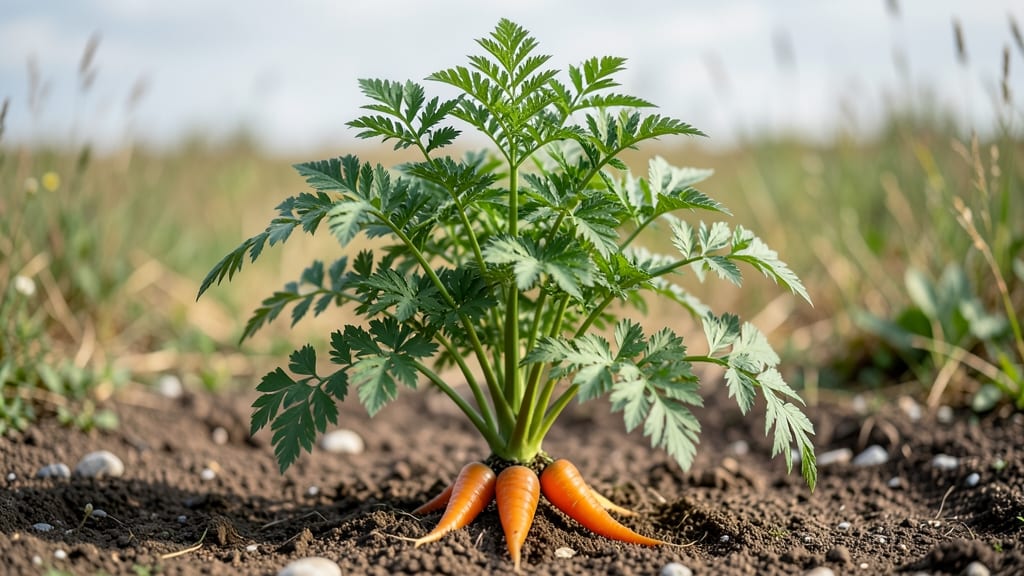
Growing carrots from seed to a harvest-ready 🥕 crop takes precise timing and care—but with a 12-week roadmap, you can skip the guesswork and enjoy crisp, homegrown roots every time.
Picture this: you’ve just scattered tiny seeds into the soil, and now you’re waiting, wondering if they’ll ever break through. The truth? Most gardeners rush the process, leading to stunted growth or forking roots.
But with the right steps—like proper spacing, consistent moisture, and knowing when to thin—you’ll turn those seeds into perfect harvests.
This guide breaks down the exact stages of carrot growth, from germination to pulling mature roots, so you’ll know when to act and what to watch for. Whether you’re dealing with rocky soil or a short growing season, we’ve got climate-specific tips to keep your carrots on track.
By the end, you’ll have a foolproof system for faster germination, fewer pests, and a harvest window that fits your schedule. Let’s get those seeds in the ground—and your table ready for homegrown goodness.

Carrots seed to harvest timeline: week-by-week growth stages
Growing carrots from seed to harvest is a 12-week journey that demands precision in timing and care. Each stage—from seed germination to root maturation—has unique needs, and knowing exactly when to act ensures you avoid common pitfalls like forked roots or stunted growth.
This week-by-week guide breaks down every phase, so you can track progress and adjust your approach for a perfect harvest.
Before diving into the timeline, remember: soil preparation is your foundation. Carrots thrive in loose, stone-free soil with a pH between 6.0 and 7.0. Work in 2–3 inches of compost and avoid fresh manure, which can cause forking.
Once your bed is ready, let’s map out the 12-week growth cycle with exact actions for each stage.
In weeks 1–2, focus on germination. Carrot seeds are tiny and slow to sprout—some take up to 3 weeks in cool soil. Keep the soil consistently moist (not soggy) and maintain temperatures between 60–70°F.
A clear plastic dome or row cover can help retain warmth and moisture during this critical phase. If you’re planting in late spring or summer, opt for heat-tolerant varieties like ‘Danvers Half Long’ to speed up germination.
By week 3, you’ll see tiny green shoots breaking through the soil—a sign germination is complete! This is when thinning becomes critical. Use scissors or your fingers to snip seedlings at soil level, leaving the strongest 2-inch-apart plants.
Avoid pulling weeds by hand, as it can disturb young roots. If your carrots are growing too slowly, check for compacted soil or rocky patches, which can stunt root development.
During weeks 4–5, your carrots enter the leaf development phase, where their tops grow rapidly. This is your last chance to thin them to 3
Critical mistakes that delay carrot harvest time (and how to fix them)
Even with the perfect 12-week timeline, many gardeners unknowingly sabotage their carrot crop by making simple mistakes. The most common? Overcrowding seeds or planting in compacted soil, which forces roots to twist and fork instead of growing straight.
These errors can push back your harvest by 3-4 weeks or worse—leave you with unusable roots.
Another frequent offender is skipping the thinning process. Too many seedlings competing for nutrients slows growth, while inconsistent watering causes roots to split or crack.
Even experienced growers fall into these traps, but the good news? Each fix is simple and can restore your carrots to their ideal 70-day harvest schedule.
Let’s tackle the top 3 mistakes that stall carrot growth—and how to correct them before it’s too late. With these adjustments, you’ll be pulling crisp, straight roots right on schedule.
⚠️ WARNING: These 3 Mistakes Kill Carrot Growth
- Planting too close: Seeds sown 1/2 inch apart (instead of 1-2 inches) cause forked roots and stunted growth.
- Hard, rocky soil: Carrots need deep, loose soil—compacted ground forces roots to grow crooked or split.
- Inconsistent watering: Drying out then overwatering causes cracked roots and uneven growth.
Fix these now—or risk delayed harvests and wasted seeds!
First up: overcrowding. Many gardeners follow seed packet instructions but forget that carrots need 1-2 inches between seedlings after thinning. If you skip this step, roots compete for nutrients, leading to small, misshapen carrots.
The fix? Thin seedlings to 2-3 inches apart when they’re 2 inches tall, using sharp scissors to avoid disturbing others.
Next, poor soil preparation is a silent harvest killer. Carrots hate clay or rocky soil, which causes forking. Before planting, mix in 2-3 inches of compost and sift out large rocks.
For heavy soil, add sand or perlite to improve drainage. This one step alone can double your straight, store-quality roots.
Lastly, watering irregularities throw off the entire growth cycle. Carrots need consistent moisture—never let the soil dry out completely, but avoid soggy conditions too. Water deeply every 2-3 days in the morning to prevent fungal issues. A drip irrigation system keeps moisture even and saves time.
With these fixes in place, your carrots will follow the ideal 12-week timeline without delays. The key is acting early: thin seedlings at the right time, prep soil before planting, and water like clockwork. Soon, you’ll be harvesting crisp, sweet carrots—not struggling with stunted growth.