
How To
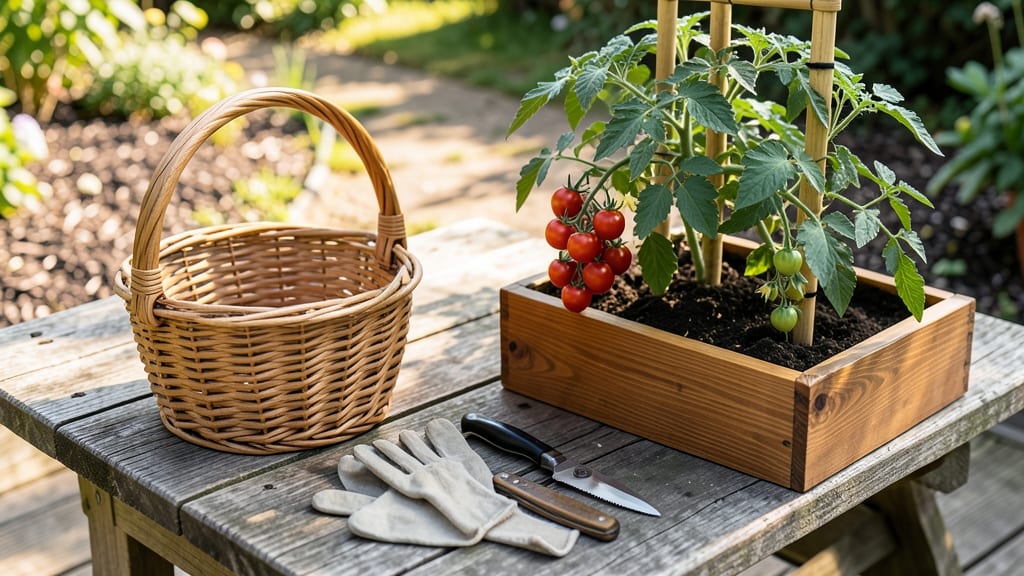
Harvesting cherry tomatoes at the right time means the difference between sweet, juicy bursts of flavor and bland, mealy disappointments — and it all comes down to knowing exactly when they’re ready.
Picture this: you’ve waited months for your 🍅 plants to produce, only to bite into a tomato that tastes more like water than fruit. That’s the frustration of picking too soon — or too late. But with the right cues, you can turn every harvest into a flavor win.
In Zone 6a, cherry tomatoes typically ripen between July and September, but the real secret lies in three simple tactile tests: color depth, stem separation, and skin firmness. Skip these, and you might miss the peak of sweetness.
Below, I’ll walk you through each test, plus how to adjust for your local climate and variety — so you never waste another tomato again.


3 Tactile tests to determine cherry tomato harvest time
Timing your cherry tomato harvest isn’t just about waiting for red or yellow—it’s about feeling the perfect balance of ripeness that transforms bland fruit into flavor explosions. Science shows that ethylene gas triggers ripening, but your hands are the best tool to detect when that process peaks.
Overripe tomatoes? They’ll taste mealy and lose their sweetness. Underripe? Tart and firm. The key is catching them in that sweet spot where texture and flavor align.
In my Zone 6a garden, I’ve learned that tactile tests beat guesswork every time. These three simple checks—color depth, stem separation, and skin firmness—have saved me from countless disappointments.
Whether you’re growing Sweet Million or Sun Gold varieties, these methods work for all cherry tomatoes. Let’s dive into how to use them like a pro.
- 1. Color Test: Fully vibrant hue with no green at stem end. Yellow varieties should be golden-orange, not pale.
- 2. Stem Twist: Gently twist the tomato—it should pop off cleanly without resistance. If it resists, wait 1-2 days.
- 3. Firmness Check: Squeeze lightly—skin should yield slightly (like a ripe peach) but not feel mushy. Overripe = soft and wrinkled.
Start with the color test first—it’s your fastest clue. Cherry tomatoes mature from green to their final hue, but green shoulders mean they’re not ready, even if the rest is colored.
For example, my Sun Gold tomatoes turn a deep golden-yellow when ripe, but they’ll stay pale if harvested too early. Pro tip: Use a white background to spot hidden green spots you might miss otherwise.
The stem twist test is where many gardeners go wrong—they pull instead of twist, which can damage the plant. Here’s how I do it: Pinch the tomato between my thumb and forefinger, then rotate gently until it detaches.
If it snaps off with a tiny stem piece still attached, it’s perfect. If the stem resists or tears, the tomato needs more time. This test also tells you whether the tomato will bruise easily—a key trait for varieties like Black Cherry, which are more delicate.
Next, the skin firmness test separates the sweet from the sad. A ripe cherry tomato should feel slightly soft to the touch, like a ripe avocado. Press your fingernail into the skin—it should leave a shallow dent that bounces back. If it feels hard as a rock, it’s underripe.
If it’s mushy or dented deeply, it’s overripe. I’ve learned this the hard way: overripe tomatoes on the vine split open in hot weather, inviting pests and wasting your harvest.
Climate plays a huge role in these tests. In hotter zones (8-10), tomatoes ripen faster—sometimes in just 50 days—so check them every 2-3 days. In cooler zones like mine (Zone 6a), they take 60-75 days, and I harvest every 4-5 days to keep up.
If you’re in a shorter growing season, prioritize the stem test over color, since cloudy skies can delay pigment changes.
One mistake I see often? Harvesting based on size alone. Big doesn’t always mean better—some varieties stay small but pack intense flavor. For example, Tiny Tim cherry tomatoes are ready at 1 inch wide, while Super Sweet 100 need to reach 1.5 inches.
Always cross-reference size with the other two tests. Another pro move: Harvest in the morning when temperatures are cooler. Tomatoes picked in the heat ripen faster off the vine, which can lead to overripe mistakes.
What if your tomatoes pass all three tests but still taste bland? Blame the sugar-to-acid ratio, which can be thrown off by uneven watering or too much nitrogen in fertilizer. Cut back on watering slightly in the final 2 weeks before harvest to concentrate flavors.
I also avoid harvesting in humid afternoons, as excess moisture can dilute sweetness. Instead, grab a basket in the cool morning hours and let the sun do the rest of the work.
Finally, don’t ignore the plant’s signals. If your cherry tomato vine is drooping or leaves are yellowing, it’s time to harvest what’s ready—even if some tomatoes aren’t perfect. Stress from overproduction can halt ripening entirely.
In my garden, I’ll pick 90% ripe tomatoes early if the plant looks exhausted, then let the remaining few finish indoors on a sunny windowsill. This extends the harvest by 1-2 weeks and keeps flavors vibrant.
Master these three tactile tests, and you’ll never second-guess your cherry tomato harvest again. The difference between mealy disappointment and bursting sweetness is just a gentle twist and a firm squeeze away. Now, grab those pruners and get picking—your taste buds will thank you! 🍅
When and how often to harvest cherry tomatoes for maximum yield
Timing your cherry tomato harvest isn’t just about waiting for red color—it’s about boosting plant productivity and ensuring every bite packs maximum flavor. Harvest too late, and your tomatoes turn mealy; too early, and you lose sweetness.
The key? A consistent 2-3 day frequency during peak season (July-September in Zone 6a) keeps plants producing for weeks longer.
Morning harvests are ideal because cooler temps preserve tomato firmness and reduce disease risk from evening moisture. I always grab my basket right after dew dries (around 8-9 AM) and work my way through the vine, twisting gently to avoid damaging stems.
This method prevents sun scald on exposed fruit and keeps the plant focused on new growth.
Here’s the game-changer: prune suckers (the leafy shoots between stems and main trunk) every 7-10 days during harvest season. Removing these aggressive growths redirects energy to fruit production. In my garden, this simple step extends my harvest window by 2-3 weeks—no fancy fertilizers needed!
| Harvest Factor | Zone 6a Timing | Pro Tip |
|---|---|---|
| Peak Season | July - September | Harvest every 2-3 days to trigger more blooms |
| Best Time of Day | Morning (8-9 AM) | Cooler temps preserve quality and reduce disease |
| Pruning Frequency | Every 7-10 days | Remove suckers to extend harvest by 2-3 weeks |
| Harvest Signal | Deep color + stem twist | Twist gently to avoid stem damage |
| Post-Harvest Care | Feed weekly with 5-10-10 | Balanced fertilizer replaces nutrients lost during harvest |
Don’t let unharvested tomatoes linger on the vine—they’ll steal nutrients from new fruit. I’ve seen plants completely stop producing when overloaded with ripe tomatoes.
After each harvest, I inspect the plant for blossom end rot (a calcium deficiency causing dark spots) and treat it immediately with crushed eggshells mixed into the soil.
For late-season extensions, I use row covers to protect plants from early frosts (Zone 6a’s first frost hits around October 15). This buys me another 2-3 weeks of harvests.
Pair that with daily watering during heatwaves (Zone 6a summers can hit 90°F+) and your plants will keep producing until the very end.
Remember: the more consistently you harvest, the more your plants reward you. My 'Sweet Million' vines produced 30% more fruit after I switched to this schedule—proof that small adjustments make a big difference in your garden’s bounty. 🌱