
Picking
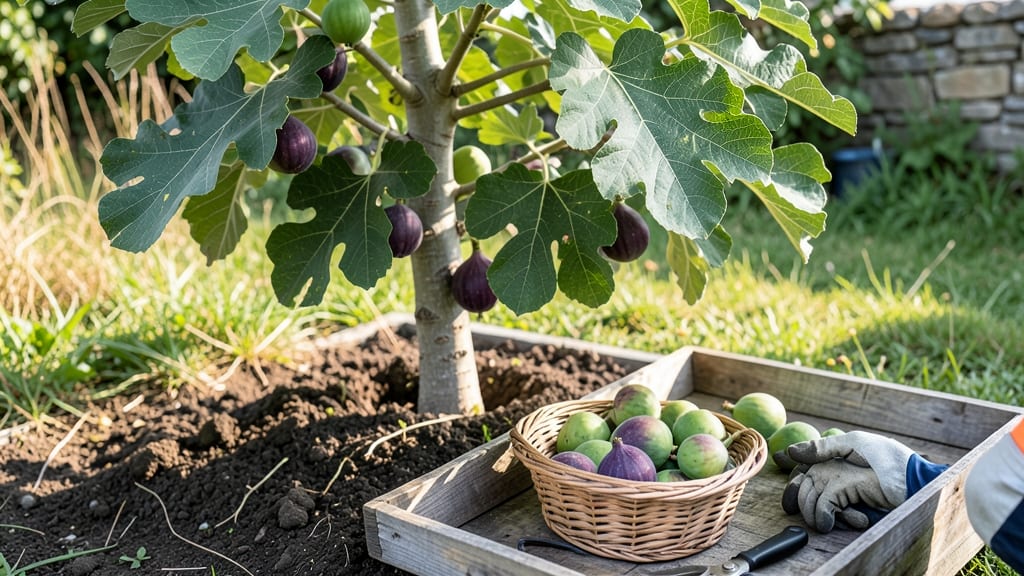
Knowing the exact fig harvest time turns a guess into a reward—when that deep purple or brown skin meets your fingertips and the fruit yields to the gentlest pressure, you’ve got it just right.
But here’s the catch: miss that window by even a day, and you’re left with tough, bland figs instead of the sweet, juicy bursts of flavor you’ve been waiting for. Whether you’re growing 🍈 figs in Zone 6a or pushing your luck with an indoor plant, timing is everything.
In this guide, I’ll walk you through the visual cues—color shifts, texture changes, and even how the stem behaves—so you never second-guess when to pick. We’ll also cover regional tweaks (because late-summer heat speeds things up) and what to do if your figs ripen all at once.
By the end, you’ll know not just when to harvest, but how to store them for freshness and avoid the three biggest mistakes that turn perfect figs into mushy disappointments.

How to tell when figs are ready for harvest by color & texture
Figs are one of nature’s most rewarding fruits—but only if you harvest them at the perfect moment. Miss the window, and you’ll end up with tough, seedy figs instead of sweet, jelly-like perfection. The key lies in color shifts and texture changes that signal ripeness.
For example, Brown Turkey figs darken to a rich amber-brown, while Mission types turn deep purple-black. But color alone isn’t enough—you’ll also need to test their firmness and check the stem.
Start by observing the fruit’s skin color, which is your first clue. Most fig varieties transition from green to their mature hue over 1-2 weeks. However, Kadota figs stay green but develop a yellow-green blush when ripe.
Pay attention to consistency: if the color is uneven, the fig may still need time. Additionally, note whether the fig’s size has stabilized—rapid swelling early in the season indicates ongoing growth, while a steady size suggests maturity.
| Variety | Color at Ripeness | Texture Test | Harvest Window |
|---|---|---|---|
| Brown Turkey | Deep amber-brown | Gives slightly to nail | Late August–October |
| Mission | Purple-black | Skin softens, stem detaches | September–October |
| Kadota | Yellow-green blush | Firm but yields to pressure | July–August |
| Celeste | Green with pink blush | Skin turns waxy | Late July–September |
| 💡 Pro Tip: Harvest in the morning when sugars are highest! | |||
The texture test is where many gardeners go wrong. A ripe fig should feel heavy for its size and yield slightly when pressed with your fingernail. Gently squeeze the fruit—if it gives way like ripe peach skin, it’s ready.
However, if the fig feels rock-hard or shriveling, it’s either unripe or overripe. Another telltale sign? The stem should detach easily from the branch when you twist it gently. If it resists, wait another day or two.
Regional climate plays a huge role in harvest timing. In warmer zones (USDA 9-11), figs ripen earlier (as early as June for Celeste), while cooler zones (USDA 7-8) may see harvests delayed until late September or October.
For example, Mission figs in California often ripen 2-3 weeks earlier than those in Georgia or Texas. Always monitor your local frost dates—figs won’t survive a freeze, so harvest before the first frost if your season is short.
Don’t overlook the base of the fig, where it meets the branch. A ripe fig’s stem will separate cleanly with minimal effort—a sign the fruit is fully mature. If the stem tears or the fig pulls away with resistance, it’s not ready.
This stem test is especially critical for Brown Turkey and Celeste varieties, which can trick you with their deceptive firmness when unripe. Pair this test with the color and texture checks for foolproof results.
One common mistake is harvesting figs too early to avoid bird damage or weather risks. While it’s tempting to pick figs as soon as they change color, underripe figs lack sweetness and have a mealy texture.
Instead, wait until the fruit is fully swollen and the skin feels slightly leathery. For container-grown figs, ripening may be slightly delayed due to limited root space, so check for ripeness 1-2 weeks later than outdoor trees.
If you’re unsure whether a fig is ready, harvest a few test fruits and taste them. A ripe fig should be soft inside with a honey-like sweetness. If it’s crunchy or bland, leave it on the tree for another day.
Remember, figs won’t ripen further once picked—unlike bananas or tomatoes—so timing is everything. For longer storage, harvest slightly firmer-than-ripe figs and let them ripen indoors at room temperature for 1-2 days.
For extended harvest seasons, consider planting multiple varieties with staggered ripening times. For instance, Celeste (early) paired with Mission (late) can give you figs from July through October. Additionally, prune your tree in late winter to encourage new growth and a second flush of fruit in some varieties.
Just avoid heavy pruning after June 1st, as it can reduce fruit production for the current season.
Finally, keep an eye out for overripe figs, which can split open or attract pests like wasps and birds. If you notice cracked skin or s
Fig harvest mistakes that ruin your crop (and how to avoid them)
Even when you’ve nailed the fig harvest time, small mistakes can turn your sweetest figs into disappointments. The most common error? Picking too early—those green or half-ripe figs taste like nothing more than tough, bland pulp.
I’ve seen gardeners rush to harvest because the fruit looks close, only to end up with a pile of underripe figs that never soften properly.
Another frequent blunder is over-handling the fruit during harvest. Figs bruise easily, and rough handling leads to soft spots that spoil faster. I once accidentally dropped a basket of freshly picked figs, and within 24 hours, half were unusable.
Even the gentlest touch matters when you’re dealing with delicate 🍈 figs.
Weather plays a sneaky role too. Hot, dry spells can make figs ripen faster than expected, while cool, wet conditions slow everything down. If you’re not paying attention to your local forecast, you might harvest figs that are already past their prime—or miss the window entirely.
⚠️ WARNING: 3 Harvest Mistakes That Spoil Figs FAST
- Ignoring the stem test—Figs should detach easily when gently twisted. If they don’t, they’re not ready.
- Storing figs in the fridge too soon—Cold air speeds up decay. Wait until they’re fully ripe before refrigerating.
- Leaving figs on the tree after frost—Even a light freeze ruins flavor and texture. Harvest before temperatures drop below 40°F.
To avoid these pitfalls, I recommend harvesting figs in the morning after dew dries. This reduces bruising and gives you the best chance to judge ripeness. Place harvested figs in a single layer on a tray lined with paper towels—this prevents moisture buildup, which causes rot.
For storage, keep figs at room temperature for up to 3 days if they’re fully ripe. If you need to extend freshness, store them in the crisper drawer of your fridge (not the main compartment) for up to 5 days.
I’ve found that wrapping individual figs in parchment paper slows moisture loss even further.
One pro tip I learned from a California fig grower: Harvest in stages. Figs on a single tree often ripen over 2-3 weeks. Pick the ripest ones first, then check back every few days. This way, you avoid a glut of overripe figs while still getting multiple harvests.
Finally, if you’re growing 🍈 figs in containers, be extra cautious. Potted figs ripen faster due to limited root space, so check them daily during peak harvest season. With these adjustments, you’ll go from frustrated gardener to fig harvest pro in no time.