
Picking
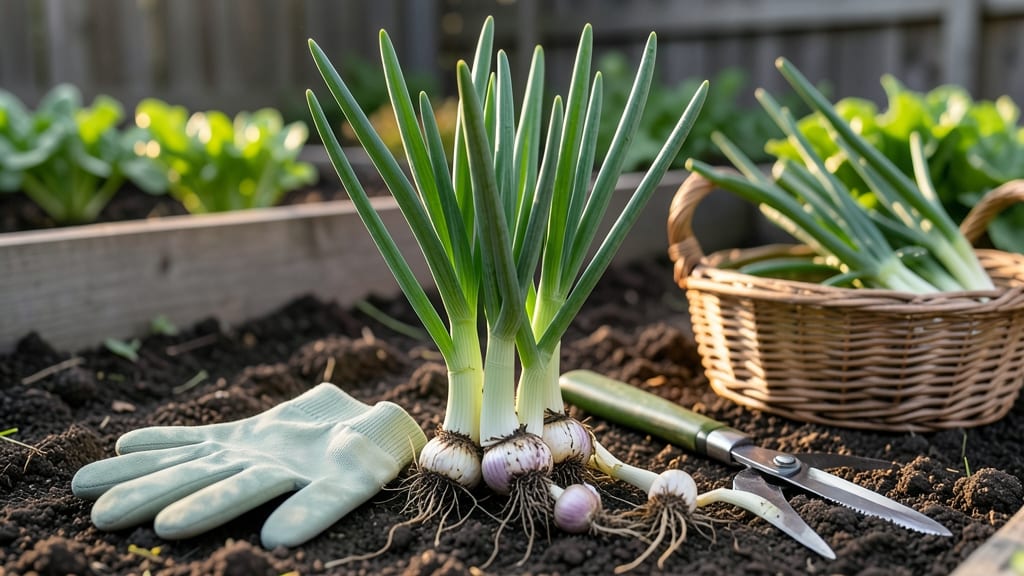
The time to harvest green onions is when they reach 6-8 inches tall with a crisp, bright green stalk and a white bulb at least ½ inch wide—this is your window for peak flavor and tenderness.
Green onions are one of the fastest-growing vegetables in your garden, but knowing exactly when to harvest them can mean the difference between mild, tender bulbs and bitter, overgrown stalks.
If you’ve ever pulled a green onion only to find it woody or hollow, you’ve missed the ideal harvest time. The good news? With just three simple visual cues, you can consistently pick them at their best.
Below, I’ll walk you through how to spot the perfect harvest moment, how to cut them without harming future growth, and when to harvest for bulbs versus greens—plus storage tips to keep them fresh longer.


3 Visual cues to identify perfect green onion harvest time
Green onions are one of the quickest rewards in your garden, but timing your harvest is everything. If you pick them too early, you’ll get small, underdeveloped bulbs. Harvest too late, and they’ll turn woody and bitter.
The secret lies in three simple visual cues that tell you when your green onions are at their peak for maximum flavor and tenderness. I’ve learned these tricks after years of gardening, and they’ve saved me from wasting perfectly good harvests.
First, pay attention to the leaf color. Healthy green onions have vibrant, bright green leaves that feel crisp to the touch. If the leaves start yellowing at the tips or feel soft and floppy, it’s a sign the plant is either overripe or stressed.
The ideal color is a rich, deep green hue that looks almost glossy in the sunlight. This is your first clue that the plant is ready for harvest.
Next, check the bulb size at the base of the plant. The white bulb should be at least ½ inch in diameter when you harvest. You can gently brush away the soil to reveal it—if it’s larger than your pinky finger, it’s time to pick.
Smaller bulbs won’t have that satisfying crunch, and larger ones can become tough and pungent. This size ensures you get the perfect balance of mild flavor and texture.
Finally, examine the stalk thickness. The stalks should feel firm and sturdy, not hollow or brittle. When you gently squeeze a stalk, it should snap cleanly rather than bend or feel mushy.
Thicker stalks (about ¼ inch in diameter) indicate a mature plant ready for harvest. Thin stalks mean the onion isn’t fully developed yet.
| Cue | Ideal Specification | What It Means |
|---|---|---|
| Leaf Color | Bright green, crisp leaves | Plant is healthy and ready for harvest |
| Bulb Size | ½ inch or larger in diameter | Bulb is fully developed for best flavor |
| Stalk Thickness | ¼ inch or thicker | Stalks are firm and ready for picking |
| Plant Height | 6-8 inches tall | Optimal size for harvesting greens and bulbs |
One mistake I used to make was waiting until the green onions reached their maximum height before harvesting. While they can grow up to 12-18 inches tall, waiting too long leads to tougher stalks and a more intense, almost sharp flavor.
The sweet spot is when they’re 6-8 inches tall. At this stage, the bulbs are fully formed but still tender, and the leaves are at their crispest. This height also makes them easier to handle during harvest.
Another pro tip is to harvest in the morning when the soil is moist but not soggy. This ensures the onions are hydrated and at their freshest. Avoid harvesting after heavy rain or when the plants look wilted, as this can lead to a bitter taste.
Morning harvests also give you time to use or store your onions before they lose moisture in the heat of the day.
If you’re growing green onions for continuous harvests, you don’t have to pull the entire plant. Instead, use clean scissors or a sharp knife to cut the stalks about 1 inch above the soil line.
This allows the bulb to regrow, giving you multiple harvests from a single plant. Just be sure to leave at least 2-3 inches of growth remaining to encourage regrowth.
For those growing green onions in containers or small spaces, timing is even more critical. Since space is limited, you’ll want to harvest at the perfect moment to avoid overcrowding.
If you notice the plants leaning or shading each other, it’s a sign they’ve outgrown their space and need to be harvested sooner rather than later. This is especially true if you’re growing them in pots, where roots can become root-bound quickly.
Finally, keep an eye out for pest or disease signs that might affect your harvest timing. If you notice yellowing leaves caused by onion thrips or fungal spots, harvest immediately to avoid spreading the issue.
While these problems can sometimes be resolved with organic treatments, it’s often better to pick what you can and address the underlying issue before replanting.
Mastering these three visual cues—leaf color, bulb size, and stalk thickness—will transform your green onion harvests from hit-or-miss to consistently delicious. Once you start paying attention, you’ll notice these signs everywhere in your garden, making it easier to time other crops too. Happy harvesting! 🌱
How to harvest green onions without damaging future growth
Harvesting green onions the right way ensures you get tender, flavorful greens while allowing the plant to regrow for multiple harvests. The key is cutting—not pulling, which preserves the root system. If you pull them, you risk damaging the bulb and shortening the plant’s lifespan.
Green onions are perennial in mild climates and can regrow after proper harvesting, giving you a continuous supply. However, timing matters—harvest too early, and you’ll get small, weak stalks; too late, and they’ll become woody and bitter.
The ideal time is when the stalks reach 6-8 inches tall with a crisp texture.
Here’s the critical mistake many gardeners make: using scissors too close to the soil. Cutting too low can expose the bulb to rot or pests. Instead, aim for 1-2 inches above the soil line to leave enough foliage for regrowth while still getting a long, usable stalk.
⚠️ callout warningPulling green onions destroys the root system, ending future harvests. Always cut with clean scissors—never yank them from the ground. This simple habit extends your harvest season by weeks or months.
To harvest, use a sharp pair of scissors or pruning shears for a clean cut. Hold the stalk firmly and slice at a 45-degree angle to increase the surface area for faster regrowth. This angle also helps water run off, reducing rot risk.
After cutting, leave the white bulb intact in the soil. Within 2-3 weeks, new green shoots will emerge, ready for another harvest. For continuous production, space your cuts every 2-3 weeks during the growing season. Just avoid harvesting more than one-third of the plant at once.
If you’re harvesting for long-term storage, pull the entire plant when the bulbs reach ½ inch in diameter and the tops are 8-12 inches tall. Trim the roots and store in the fridge for up to 2 weeks, or braid the stalks for hanging.
For immediate use, cut and store in a glass of water in the fridge to keep them fresh for 10+ days.