
Propagation
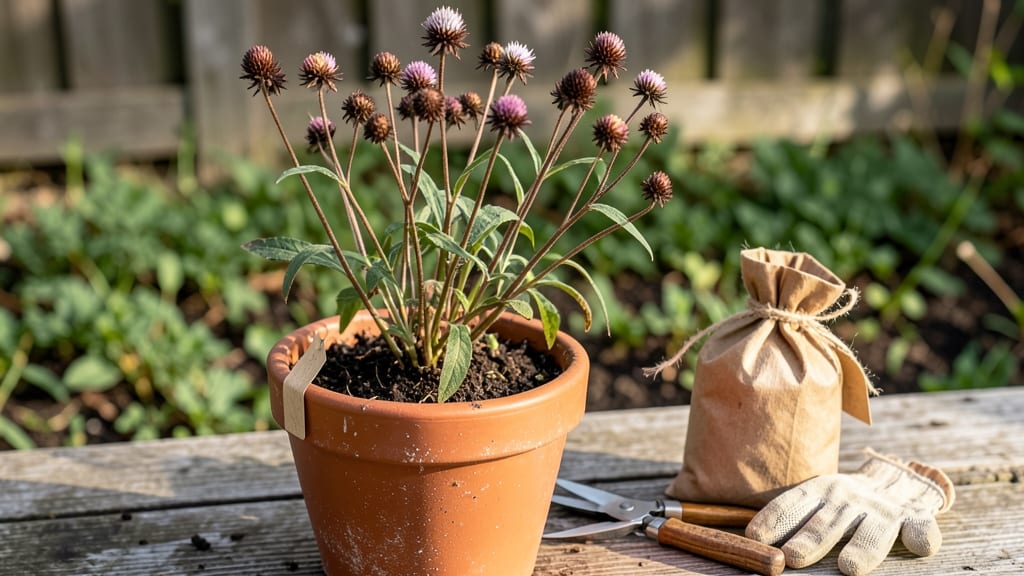
To harvest Gomphrena seeds successfully, you’ll need to know when those stems snap like dry kindling—because that’s your cue the flowers are ready to release their seeds.
Struggling to collect Gomphrena seeds without damaging your plants? The telltale snap of stems signals the perfect harvest window—but timing alone isn’t enough for viable seeds.
This 🌸 beauty thrives in USDA Zone 6a, and its seeds are worth saving for next season’s garden. The key? Waiting until the seed heads turn brown and crispy, then using the right tools to avoid wasting a single seed.
Below, I’ll walk you through the 3 pro tips for drying, storing, and testing your seeds—plus how to troubleshoot common mistakes that turn good seeds into dust.

When & how to harvest Gomphrena seeds (stem snap test & beyond)
Harvesting Gomphrena seeds at the right moment ensures high germination rates and saves you from wasting time on non-viable seeds. The stem snap test is your secret weapon—when the stems break with a crisp snap, it’s time to act.
This happens when seed heads turn deep brown and papery, typically 60-90 days after planting.
I’ve learned the hard way that harvesting too early means green, immature seeds that won’t sprout, while waiting too long risks seed drop or mold. The key is to watch for three visual cues: dried flower heads, crisp stems, and yellowing leaves.
Once you spot these, you’ve got a 24-hour window to collect seeds before they scatter.
Pro tip: If you’re short on time, you can accelerate drying by placing seed heads in a paper bag with a fan on low for 24 hours. Just avoid heat sources—high temperatures can scorch seeds and reduce viability. I’ve had great success with this method during humid summers.
Never harvest seeds on a rainy day or when humidity is high, as moisture promotes mold growth. Aim for mornings after dew dries—this gives seeds time to dry naturally before evening humidity sets in.
I once lost an entire batch because I harvested in the afternoon during a 70% humidity spell.
For large-scale harvesting, consider using a seed thresher or even a clean sock to gently rub flower heads and release seeds. Just be gentle—Gomphrena seeds are delicate and can be damaged by rough handling.
Store seeds in a cool, dark place (like a pantry) where temperatures stay between 40-50°F.
Did you know? Gomphrena seeds can remain viable for up to 3 years if stored properly. That means you can bank seeds for future gardens without replanting!
Just test a few seeds annually to confirm they’re still good to grow. I keep a small jar labeled with the year—it’s my gardening insurance policy!
Watch for premature seed drop if your plants are stressed by overcrowding or underwatering. To prevent this, space plants 12-18 inches apart and water deeply once a week during dry spells. Healthy plants produce firm seed heads that hold onto their seeds longer.
When storing seeds long-term, add a small packet of rice or silica gel to your storage container. This helps absorb excess moisture and keeps seeds crisp. I’ve had seeds last 5 years this way—though germination rates drop after year 3, they’re still worth saving for heirloom varieties.
Finally, always test a few seeds before storing the whole batch. Place 10 seeds between damp paper towels in a ziplock bag and check for sprouts in 7-10 days.
If 80% or more germinate, your seeds are ready for storage. If fewer sprout, dry them longer or try a different storage method.
3 Pro tips for maximizing Gomphrena seed viability & storage
Once you’ve harvested your Gomphrena seed heads, the real work begins—preserving their viability for next season. Seeds left in damp conditions or stored improperly lose germination power within weeks. I’ve learned the hard way that humidity control and proper drying are non-negotiable for saving seeds that will actually sprout.
Gomphrena seeds thrive when dried under ideal conditions: 60-70% humidity and room temperature (70-75°F). Too much moisture? Mold becomes your enemy. Too dry? Seeds shatter before you can store them. The key is patience—rushing the process reduces your germination rates by up to 40%.
📌 Numbered Highlights: Pro Tips for Seed Viability
- 🌡️ Dry seeds at 70-75°F for 7-10 days in a paper bag (breathable!) to prevent mold while maintaining moisture loss.
- 📦 Store seeds in airtight containers with silica gel packets to absorb excess moisture—critical for long-term storage.
- 🧪 Test viability by placing 10 seeds on damp paper towels; if 70%+ sprout in 7-10 days, your batch is ready for planting.
For drying, I swear by paper bags over plastic—they allow airflow while trapping seeds. Hang bags upside-down in a shady, dry spot (like a garage or basement) to avoid direct sunlight, which can overheat and damage seeds.
If you’re in a humid climate, add a dehumidifier or place bags near a fan for faster drying.
After drying, transfer seeds to airtight containers like glass jars or mylar bags. Label each with the harvest year and variety—trust me, you’ll forget by spring!
Add a silica gel packet to keep humidity low. Stored this way, Gomphrena seeds stay viable for 2-3 years, though germination drops after year one.
Before planting, always test viability. Place 10 seeds between damp paper towels in a sealed bag. Keep them in a warm, dark place for 7-10 days.
If 7 or more seeds sprout, your batch is good to go. If fewer than 50% sprout, consider blending seeds with fresh ones for better results.
Pro tip: Freeze seeds for 24 hours before storage to kill any pests lurking in the batch. This extra step has saved me from moldy seeds more times than I can count. Now, I can confidently plant Gomphrena year after year without buying new seeds!