
Trees
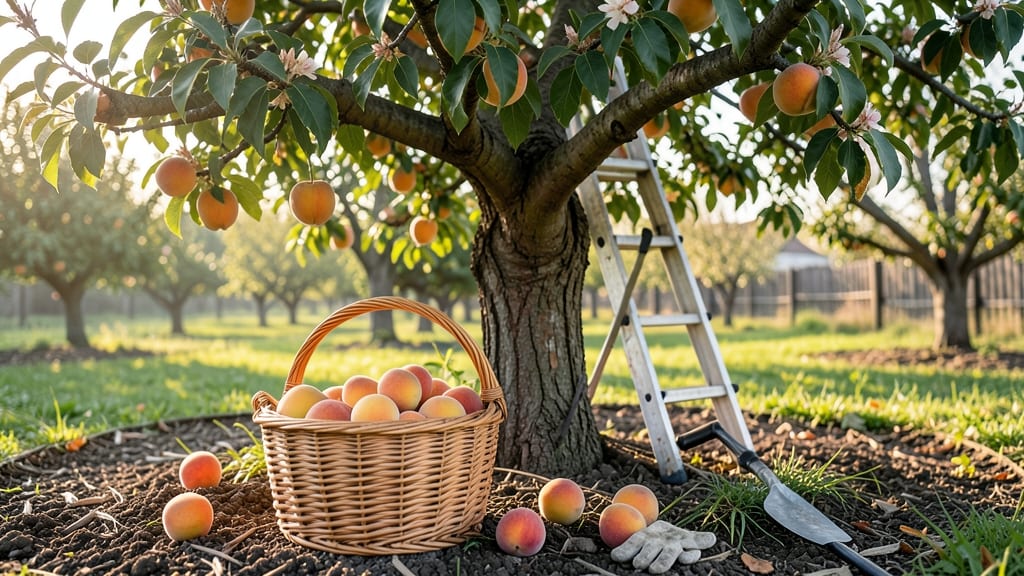
Harvesting a peach tree at the perfect moment transforms your backyard into a sweet, juicy goldmine—but timing is everything.
Peaches ripen faster than you think—and picking them too early can ruin weeks of hard work. Mastering these three tactile tests will help you harvest your 🍑 at peak flavor, texture, and sweetness, ensuring a bounty that rivals store-bought perfection.
Skip the guesswork and learn the science-backed tricks to tell when a peach is ready: from the gentle pressure test to the telltale twist of the stem, we’ll cover every detail so you never miss the window.
By the end, you’ll know exactly when to reach for that peach—and how to handle it so the harvest lasts all season.


3 Tactile tests to determine perfect peach ripeness
Harvesting peaches at their peak ripeness transforms your peach tree bounty from good to extraordinary. Unlike many fruits that ripen off the vine, peaches continue ripening after picking—but they never regain lost sweetness or texture.
That’s why these three tactile tests are your secret weapon. They combine science with simple touch-based checks to ensure you pick peaches when they’re firm yet yielding, sweet, and bursting with flavor.
Many gardeners rely on color alone, but skin hue varies by variety (white, yellow, or red-blushed) and can be misleading. The real magic happens when you combine visual cues with these pressure-based tests.
Think of it like reading a peach’s maturity manual through your fingertips. Overripe peaches turn mealy, while underripe ones stay hard and sour—neither is worth your effort.
Here’s where the science meets your hands: peaches produce ethylene gas as they ripen, softening the flesh and breaking down the cell walls. This process is what makes them juicy and sweet.
The tactile tests below help you detect this natural softening at the perfect moment—before the fruit becomes mushy or fermented.
🌱 3 Tactile Tests for Perfect Peach Ripeness
-
1. Gentle Pressure Test
Press your thumb into the blush side of the peach. A ripe peach should yield slightly—like pressing a ripe avocado—but not give way completely. If it springs back, it’s underripe. If it leaves a deep dent, it’s overripe. -
2. Stem Separation Check
Gently twist the peach while holding the stem. A ripe peach should detach easily with a slight tug. If the stem resists, the fruit needs more time. If it pulls off too easily, the peach may be overripe or damaged. -
3. Skin Texture Analysis
Run your fingers over the peach’s skin. Ripe peaches have a slightly fuzzy texture (not smooth like unripe ones). If the skin feels tough or leathery, the fruit isn’t ready. If it’s wrinkled or soft, it’s past its prime.
Let’s break down the gentle pressure test first, as it’s the most reliable indicator. When you press your thumb into a ripe peach, you’re testing the fruit’s firmness and juice content. The ideal peach should feel slightly soft but still hold its shape.
Imagine pressing a ripe tomato—similar resistance but with a sweeter payoff. This test works best on the blush side (the colored portion), as it’s often the ripest part of the fruit.
Avoid pressing too hard—you’re not testing for bruising, just yield. If the peach feels rock-hard, it’s underripe and will never develop full flavor. If it feels mushy or squishes easily, it’s overripe and may spoil quickly.
Pro tip: Compare multiple peaches on the same tree, as ripening can vary by branch and exposure to sunlight.
The stem separation check is where many gardeners make their biggest mistake. They assume a peach is ripe if it’s colored but still attached tightly. This is a classic case of visual deception. A ripe peach’s stem should separate cleanly with a gentle twist—almost like unscrewing a jar lid.
If you have to pull hard or the stem snaps off, the fruit isn’t ready. Conversely, if the stem comes off with almost no resistance, the peach may be overripe or even rotting inside.
Pay attention to the sound too. A ripe peach often makes a soft popping noise when detached. This is the cell wall separation at work, signaling the fruit is at peak ripeness. If you hear a dull thud or nothing at all, the peach needs more time on the tree.
Don’t overlook the skin texture analysis, which reveals clues about the peach’s internal state. Ripe peaches develop a fine fuzziness due to natural wax production, while unripe ones stay smooth. This isn’t about roughness—think of it like the difference between a ripe peach and a hard apple.
Overripe peaches may develop a wrinkled or leathery texture, a sign the flesh is breaking down.
Combine all three tests for the most accurate results. For example, a peach might pass the pressure test but fail the stem check—this means it’s not quite ready. Or it might feel soft but have a tough skin, indicating uneven ripening.
By using these tests together, you’ll avoid the heartbreak of picking peaches that are too early to eat or too late to enjoy.
Remember, peaches ripen fastest in warm temperatures (75–85°F) and slower in cooler weather. If your tree is in a hot climate, peaches may ripen in just a few days, while cooler regions might take weeks.
Always harvest in the morning when temperatures are cooler, as this reduces bruising and preserves freshness longer.
Now that you’ve mastered these tactile tests, you’re ready to turn your peach tree into a flavor factory. The next step? Learn how to harvest efficiently without damaging the fruit or the tree—because even the ripest peach won’t taste good if it’s bruised or dropped. 🍑
When and how to harvest peaches for maximum yield
Timing your peach harvest is an art that balances sweetness, texture, and seasonal readiness. In USDA Zone 6, most peach varieties ripen between mid-July and August, but exact timing depends on your tree’s maturity and climate.
Harvesting at the right moment ensures juicy, flavorful fruit instead of mealy or underripe disappointment.
Morning is the best time to harvest because cooler temperatures preserve fruit quality. Peaches picked in the afternoon may overripen quickly, especially in hot climates. If you must harvest later, choose the shadiest part of the day to slow ripening and prevent sunburn on exposed skin.
| Harvest Factor | Zone 6 Timing | Key Indicator |
|---|---|---|
| Peak Season | Mid-July to August | Full color + slight softness |
| Best Time of Day | Early morning | Cooler temps preserve quality |
| Picking Method | Gentle twist | Stem separates cleanly |
| Storage Life | 1-2 weeks (room temp) | Refrigerate for longer shelf life |
To pick peaches properly, use a gentle twisting motion near the stem. Avoid pulling or yanking, which can damage the branch or bruise the fruit. If a peach resists, it’s not ready—wait another day or two.
Once detached, inspect for soft spots or bruises; these indicate overripeness or handling damage.
Extend your harvest’s freshness by storing peaches at room temperature until fully ripe, then refrigerate to slow spoilage. For long-term storage, wash and dry peaches thoroughly before placing them in a single layer on a tray. Avoid stacking to prevent ethylene gas buildup, which accelerates ripening and rot.
In warmer climates like Zones 8-10, peaches may ripen as early as June or as late as September. Monitor your tree daily during peak season, as heat waves can cause rapid ripening.
If you miss the window, underripe peaches can sometimes finish ripening indoors, but overripe ones won’t improve—use them for jams or baking instead.
Pro tip: Harvest peaches in stages over 2-3 weeks to avoid overwhelming your storage space. This also lets you enjoy fresh peaches at their peak while preserving others for later. With the right timing and care, your peach tree’s yield will be sweeter and longer-lasting than ever before. 🌱