
Picking
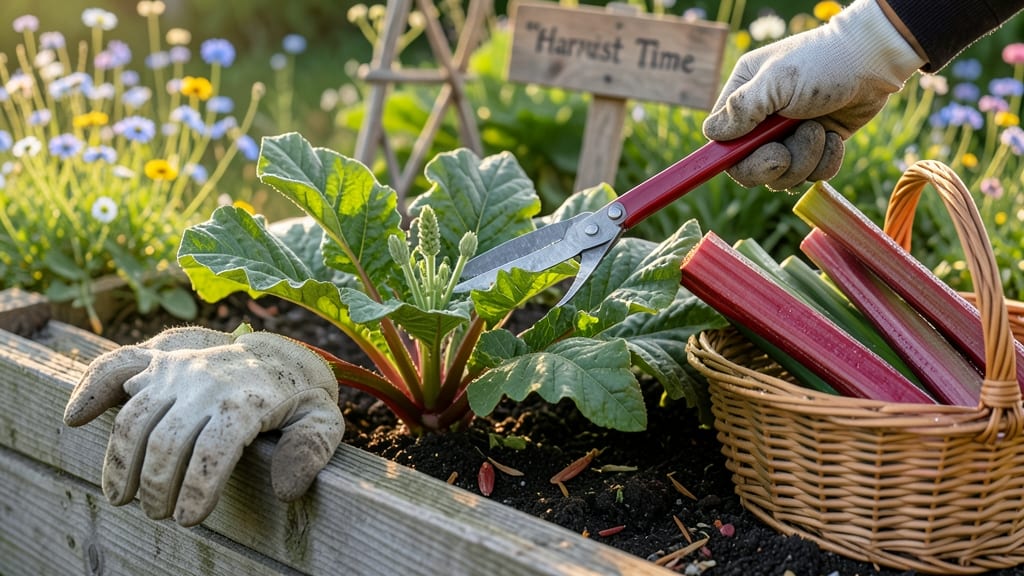
Harvesting rhubarb all summer is possible—but only if you follow the right rules to keep your 🍃 thriving for years.
Picture this: you’ve just planted your rhubarb in March, and by May, those vibrant stalks are ready to pick. But can you keep harvesting through September? The short answer is yes—but with strict limits.
Overdo it, and you’ll weaken the plant, leaving next year’s crop smaller than a thumbnail. I’ve made that mistake (twice), and I’m here to share how to avoid it.
Here’s the key: rhubarb needs time to recover. In cooler zones like 6a, you can safely pick for 8-10 weeks in spring, then taper off in summer. Warmer climates? Even more caution is needed.
Below, I’ll break down the exact months to harvest, how to spot when your plant is begging for a break, and the one trick that extends your season without sacrificing future yields.
Ready to maximize your harvest without stunting growth? Let’s dive into the science—and save your rhubarb from a summer burnout.

Optimal rhubarb harvesting seasons: when to pick for maximum yield without harming growth
Rhubarb thrives as a spring harvest superstar, but many gardeners wonder if they can extend picking into summer months. The truth? While you can harvest rhubarb in summer, doing so requires careful timing to avoid weakening your plant for next year's crop.
Let’s break down the best months and science-backed rules to maximize yield without harm.
Experts agree that spring is prime time for rhubarb harvesting, typically from April through June. This aligns with the plant’s natural growth cycle, when it’s storing energy for future stalks.
However, summer harvesting is possible—if you follow strict guidelines. Overharvesting in late summer can deplete the plant’s root reserves, leading to smaller yields the following year.
| Season | Optimal Harvest Window | Stalk Maturity | Risk Level |
|---|---|---|---|
| Spring | April–June | 10–12 inches, firm | Low (ideal) |
| Early Summer | July (first 2 weeks) | 8–10 inches, slightly softer | Moderate (proceed with caution) |
| Late Summer | August–September | 6–8 inches, woody | High (avoid if possible) |
| Fall | October (stop by frost) | N/A (dormancy begins) | None (harvest ends) |
The spring harvest window (April–June) is when rhubarb produces its most tender, flavorful stalks. During this time, the plant is actively growing and can handle frequent picking—just never remove more than one-third of the stalks at once.
This rule prevents stress and ensures the plant’s leaf crown (the heart of the plant) stays healthy.
If you’re tempted to harvest rhubarb in summer, limit yourself to the first two weeks of July. After this, stalks become woody and less flavorful, and the plant begins redirecting energy toward root storage for winter.
Harvesting beyond this point risks stunting next year’s growth by depleting the plant’s reserves.
One common mistake is picking rhubarb leaves, which are toxic to humans and pets. Always leave the large, green leaves intact—they’re essential for photosynthesis and fueling stalk production. Another key tip: cut stalks at the base, leaving a small stub to prevent rot and disease.
To extend your harvest season, consider planting multiple rhubarb varieties with staggered maturity dates. For example, ‘Victoria’ and ‘Cherry’ varieties produce stalks at slightly different times, giving you a longer window for picking.
Just remember: never harvest in late summer or fall, as this forces the plant into dormancy prematurely.
Climate plays a role too. In cooler regions (USDA Zones 3–5), rhubarb’s natural growth cycle may shift slightly earlier, allowing for a longer spring harvest. Meanwhile, in warmer climates (Zones 6–8), summer heat can accelerate stalk maturation, making early July the absolute last safe harvest month.
For maximum yield next year, stop harvesting by mid-August and focus on soil care instead. Add a layer of compost and reduce watering to encourage root development. By following these guidelines, you’ll enjoy bigger, healthier stalks for years to come.
Ready to harvest? Always check for firm, crisp stalks that snap cleanly when pulled—this is your best indicator of readiness. Avoid picking stalks that are smaller than 6 inches or have turned woody or pale, as these signs mean the plant is already stressed.
With the right timing, you can enjoy rhubarb all summer long—without sacrificing next year’s bounty. Start early, stop by August, and your rhubarb will reward you with abundant, flavorful harvests for decades. 🌱
Summer harvesting rules: how to safely pick rhubarb stalks without killing your plant
Summer is the time when your rhubarb plant works hardest to produce those plump, tart stalks—but that doesn’t mean you can harvest them all season long. The key is strategic picking.
In my Zone 6a garden, I’ve learned that harvesting too aggressively after June weakens the roots, leaving fewer stalks next spring. The rule of thumb? Never remove more than one-third of the stalks at a time, and always leave the leaf crown intact.
Start by selecting the thickest, most mature stalks—these are the ones that won’t compromise the plant’s energy reserves. Use a clean, sharp knife to cut them at the base, about 1 inch above the soil line.
This method reduces damage and speeds up healing. If you’re tempted to pull stalks by hand, resist—tugging can uproot smaller stalks still growing beneath the soil.
Frequency is everything. In spring and early summer, you can harvest every 7-10 days if stalks are ready (10+ inches long). But by July, switch to bi-weekly picking to give the plant time to recover.
Overharvesting in summer often leads to yellowing leaves or stunted growth—a sure sign your plant is exhausted.
No—unless you want a weak plant next year. Here’s why: Rhubarb stores energy in its roots and crown. Harvesting too late in summer (after July in cooler zones) depletes these reserves, leaving fewer stalks for spring. Warmer climates (Zones 7+)? Stop by early August to avoid heat stress. Always prioritize leaf health—wilting or yellowing leaves mean your plant is begging for a break.
Watch for these warning signs of overharvesting: stalks that fail to regrow after cutting, leaves turning yellow or curling, or a noticeable drop in stalk production. If you see these, it’s time to stop harvesting and focus on watering and fertilizing to revive the plant.
A balanced 10-10-10 fertilizer applied in early fall can help rebuild roots before winter.
To revive a stressed rhubarb plant, reduce harvesting immediately and increase watering to 1-2 inches per week. Mulch around the base with 2-3 inches of compost to retain moisture and protect roots.
Avoid fertilizing until early spring, as summer feeding can encourage tender growth that’s more susceptible to pests or disease.
For a sustainable summer harvest, follow this checklist: ☑️ Pick only mature stalks (10+ inches) ☑️ Never remove >1/3 of stalks at once ☑️ Stop harvesting by late July in cooler zones ☑️ Monitor leaf health—yellowing = stop picking ☑️ Fertilize lightly in early fall to rebuild roots ☑️ Mulch to protect roots during heatwaves
With these rules, you’ll enjoy summer rhubarb harvests without sacrificing next year’s crop. Trust me, your future self (and your rhubarb) will thank you when those early spring stalks appear thicker and more abundant than ever. Happy harvesting! 🌱