
Vegetables
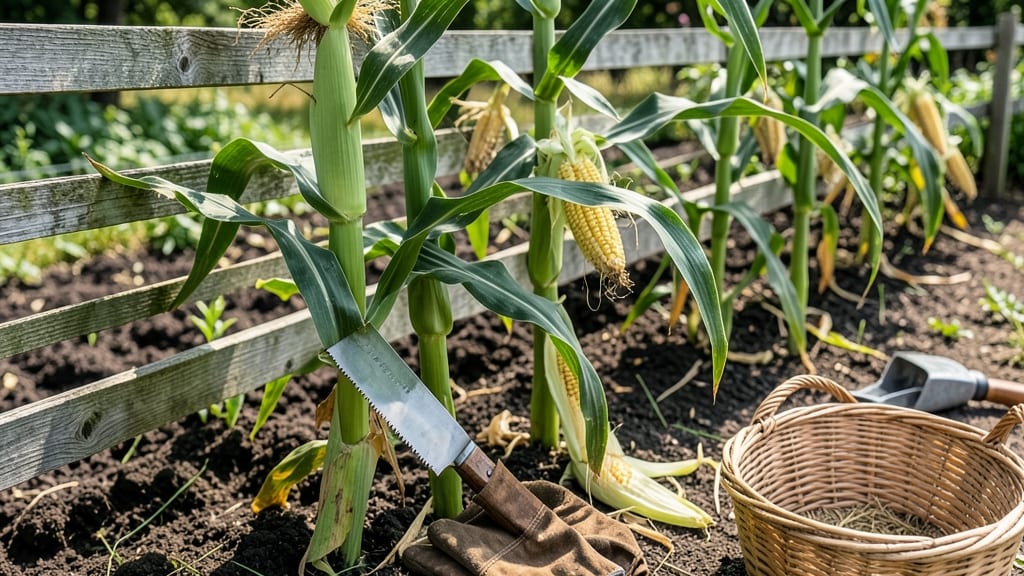
The harvest season for corn arrives when silks turn brown and kernels plump up with sweetness—timing it right means the difference between tender bites and tough, starchy ears 🌽.
Picture this: you’ve nurtured your corn all season, and now the moment of truth is here. One wrong move, and those juicy kernels turn dry and mealy before you even get them to the table.
The good news? With the right cues—like silks drying out and husks pulling back easily—you can lock in peak flavor every time.
But here’s the catch: regional climates shift those windows dramatically. What’s perfect for a Midwest garden might be too late for Southern states, where heat arrives earlier.
I’ll break down the exact signs to watch for, plus how to adjust for your zone so you’re always harvesting at the sweetest moment.
Ready to go from field to fork with corn at its best?
You’ll learn the three key maturity cues to check daily, how to handle ears post-harvest for maximum freshness, and even when to plant for a staggered harvest—because nothing beats pulling ears straight from the stalk when they’re at their prime.

How to determine the perfect corn harvest season by plant stage
Knowing exactly when to harvest your corn ensures those juicy, sweet kernels are at their peak. The difference between perfect and pasty corn often comes down to 3 key visual cues and understanding your variety’s maturity timeline.
Whether you’re growing sweet corn or field corn, these signs will guide you to the ideal harvest window.
Most corn varieties reach harvest readiness between 60 to 120 days after planting, but this varies by type. Sweet corn typically matures faster (around 70-90 days), while dent corn takes longer (up to 120 days).
Paying attention to the plant’s silks, kernels, and husks will help you avoid missing that sweet spot.
| Stage | Visual Cues | Days to Harvest | Action |
|---|---|---|---|
| Silking Stage | Bright green/yellow silks appear | 30-50 days | Monitor for silk browning |
| Blister Stage | Silks turn brown; kernels plump | 60-75 days | Check kernel milk line |
| Dough Stage | Silks dry completely; kernels firm | 75-90 days | Harvest for sweet corn |
| Dent Stage | Silks gone; kernels harden | 90-120 days | Harvest for field corn |
The first sign your corn is nearing harvest is when the silks turn brown and begin to dry out. This usually happens around 10-14 days before the ears are ready. At this stage, the kernels are still developing, so don’t rush to harvest—wait for the next key indicator.
Next, check the kernel milk line by cutting open an ear. If the liquid inside is milky white, your corn is at peak sweetness. If it’s clear or the kernels feel hard, wait 1-2 more days.
This test is especially critical for sweet corn varieties like Silver Queen or Peaches and Cream, which lose sweetness quickly.
Another foolproof method is the ear squeeze test. Gently press the ear—it should feel firm but not rock-hard. If it’s soft or mushy, it’s overripe. For super-sweet hybrids, harvest when the husks pull back easily, revealing tightly packed kernels. This ensures maximum tenderness and flavor.
Day-length sensitive varieties, like those grown in northern climates, may mature faster due to longer daylight. In contrast, southern varieties often take slightly longer because of warmer temperatures. Always check the seed packet for days to maturity and adjust your harvest timeline accordingly.
If you’re growing multiple varieties, harvest the earliest maturing ones first. This prevents overcrowding and ensures you enjoy fresh corn throughout the season. For continuous harvests, plant seeds in succession every 2 weeks—this staggered approach guarantees a steady supply of sweet corn.
One common mistake is waiting too long, which turns sweet corn starchy and tough. If you miss the window, you can still use the ears for cornmeal or animal feed, but they won’t be ideal for eating fresh.
To maximize your harvest, keep an eye on the husks—they should pull back smoothly without resistance.
Pro tip: Harvest in the morning when temperatures are cooler. This preserves sweetness and firmness longer. Store harvested ears in the refrigerator for up to 5 days or cook them immediately for the best flavor. With these cues, you’ll never miss the perfect harvest again!
Best practices for harvesting corn to preserve sweetness and texture
Once your corn reaches maturity, the first 24 hours after harvest make all the difference in flavor and texture. I’ve learned that rushing to husk ears too soon or leaving them too long on the stalk both turn those sweet kernels into tough, starchy disappointments.
The key is acting at the peak ripeness window—when silks are brown and kernels are plump but still milky when sliced.
Start by checking the husk color and flexibility. Ready-to-harvest ears have husks that pull back easily with just a gentle tug, revealing kernels that feel firm when squeezed. If the husk resists or the kernels dent under pressure, wait another day or two.
This simple test saves you from harvesting too early, which means missing that perfect sweetness.
⚠️ NON-NEGOTIABLE: Harvest Timing Warning ⚠️
The moment you spot these signs, grab your sharp pruning shears or knife and cut the stalk about ½ inch above the ear. This prevents the ear from drying out through the stem while keeping it attached to the plant’s moisture supply. Never pull ears off—they’ll bruise and lose sweetness faster.
After cutting, leave the husks on until you’re ready to cook. Husks act like a natural insulator, preserving moisture and sweetness for up to 2-3 days if stored properly.
For immediate cooking, husk the ear by pulling back the outer leaves and stripping them away—save the inner husk layer to wrap the ear while boiling or grilling. This keeps kernels tender and juicy.
If you can’t cook right away, store ears unhusked in the fridge for up to 5 days. Place them in a plastic bag with a paper towel to absorb excess moisture, which can speed up spoilage.
For longer storage, consider freezing—blanch husked ears for 4 minutes in boiling water, then plunge into ice water before freezing. This locks in sweetness for up to 12 months.
Pro tip: Harvest in the morning hours when temperatures are coolest. This minimizes stress on the plant and keeps kernels fresher longer. If you’re dealing with a large harvest, prioritize picking the outer rows first—they often mature slightly earlier due to edge effects in the garden layout.
Remember, every variety has its own ideal harvest window. Super-sweet hybrids like 'Ambrosia' or 'Peaches and Cream' may need to be harvested even earlier than standard varieties. Pay attention to your plants’ cues, and you’ll always enjoy corn at its sweetest and most tender. 🌽