
Vegetables
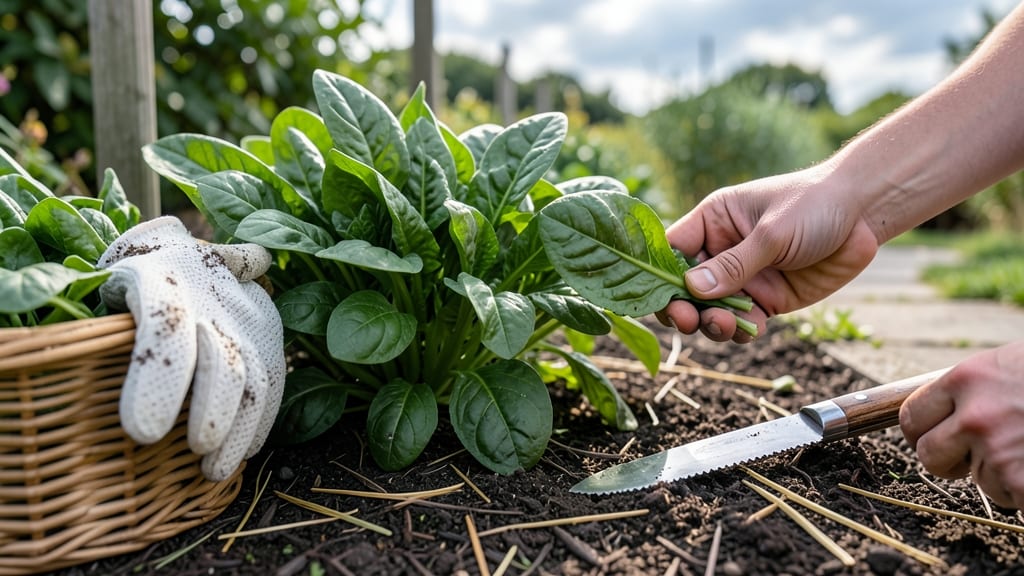
Harvest spinach leaves when they reach 3–6 inches and feel tender, or you’ll miss the sweet spot before they bolt into tough, bitter stalks.
Picture this: you’ve nurtured your 🌱 spinach for weeks, watching it grow from tiny sprouts to lush greens—only to snap a leaf and find it stringy and overgrown. That’s the moment you realize timing is everything.
But here’s the good news: knowing the three tactile tests—leaf size, texture, and color—means you’ll never again pull a leaf that’s past its prime.
Below, I’ll walk you through exactly how to check your spinach’s readiness, how to harvest without stunting regrowth, and the biggest mistakes that turn tender greens into tough bolts.

3 Tactile tests to determine spinach harvest readiness
Spinach is one of those rewarding crops where timing is everything. Harvest too early, and you lose yield; too late, and your tender greens turn bitter as the plant bolts. The good news?
You don’t need fancy tools—just your hands and eyes to test readiness. These three tactile methods will help you pick spinach at its peak, ensuring maximum flavor and texture without sacrificing future growth.
First, let’s clarify what we mean by "tactile tests". These are simple, hands-on checks that go beyond just looking at your plants. By feeling the leaves, measuring size, and observing color up close, you’ll get a clear signal when your spinach is begging to be harvested.
I’ve used these same techniques in my garden for years, and they’ve never failed me—whether I’m growing Baby’s Leaf Hybrid or Bloomsdale Long Standing varieties.
Here’s the secret: harvest readiness isn’t just about leaf size. It’s about a combination of texture, color, and growth stage. If you focus on just one factor, you might miss the window.
For example, a leaf could be large but still tough, or small but perfectly tender. That’s why these three tests work together like a gardening trio—each confirms the other.
Ideal: 3-6 inches long
Measure the largest outer leaf—if it’s fully unfurled and flat, it’s ready. Smaller leaves (under 3 inches) need more time.
Ideal: Crisp and tender
Gently rub a leaf between your fingers—if it feels soft like a fresh lettuce leaf, harvest it. Thick or leathery leaves are past their prime.
Ideal: Deep, vibrant green
Check the underside of leaves—if it’s pale or yellowing, the plant is stressed. Bright green tops with white veins mean it’s at its sweetest.
The leaf size test is your first clue, but it’s not foolproof. I once harvested a batch of spinach because the leaves were 4 inches long, only to find they were still tough and slightly bitter. That’s when I learned to pair size with the texture test.
A tender leaf is your golden ticket to restaurant-quality spinach—no need for fancy seasonings. Think of it like testing a ripe avocado: you wouldn’t eat one that’s too firm, right? The same logic applies here.
Don’t overlook the color test, especially if you’re growing spinach in partial shade. Pale leaves often mean your plants aren’t getting enough sunlight, which can lead to bolting faster than expected.
I once had a batch of spinach turn yellowish-green because my shade cloth wasn’t secure, and I lost half my harvest to early bolting. Now, I double-check leaf color every morning before deciding to harvest.
A deep, glossy green is your sign that the plant is thriving and ready to share its bounty.
Pro tip: Combine these tests with the time of day. Spinach leaves are most tender in the early morning after dew has evaporated but before the heat of the day sets in.
That’s when I do my tactile checks—cool fingers make it easier to feel subtle differences in leaf texture. If you’re harvesting in the afternoon, the leaves might feel slightly wilted, even if they’re technically ready. A quick watering 30 minutes before picking can help restore crispness.
What happens if you miss the window? You’ll notice the leaves start to curl at the edges and develop a woody stem. That’s your plant’s way of saying, “I’m bolting!” At that point, the flavor shifts from sweet to bitter, and the texture becomes tough.
I’ve learned the hard way—once, I ignored the texture test and ended up with a pot of spinach that tasted like overcooked greens. Not ideal for salads or sautéing. Trust me, your taste buds will thank you for paying attention to these tactile cues.
For continuous harvesting, aim to pick outer leaves first and leave the inner ones to keep growing. This method lets you enjoy spinach for weeks, not just days.
I’ve extended my harvest season by up to 6 weeks using this approach, especially with savoy spinach varieties that have more forgiving regrowth patterns. Just remember: once you see flower stalks emerging, it’s too late—your spinach has bolted, and the leaves will be inedible.
Now that you’re equipped with these three tests, you’ll never second-guess when to harvest spinach again. The key is consistency: check your plants every 2-3 days during peak growing season, and you’ll always catch them at their sweetest. Happy harvesting—and may your spinach always stay tender and delicious! 🌱
How to harvest spinach without damaging future growth
Harvesting spinach correctly is the secret to a continuous supply of tender leaves. When you cut the outer leaves first, you encourage the plant to produce more leaves instead of sending up a bolting stalk.
This method preserves the plant's energy and extends your harvest season by 4-6 weeks if done properly.
Start harvesting when your spinach plants reach 4-6 inches tall and have at least 3-4 mature outer leaves. These leaves should be bright green and fully unfurled, not curled or yellowing. Using the right technique ensures your spinach keeps producing fresh leaves for weeks.
🌱 Pro Tip for Harvest Timing
Harvest spinach in the morning after dew dries for the crispest texture. Avoid harvesting when leaves are wilted from heat or soggy from rain, as this stresses the plant. Cool evenings (50-65°F) are ideal for harvesting.
Use a clean, sharp pair of scissors or pruning shears to cut leaves at the base. Avoid pulling leaves by hand, as this can damage the plant and leave it vulnerable to pests and disease.
Cut the outer leaves first, leaving the inner leaves to continue growing. This method mimics natural leaf fall and encourages regrowth.
Never remove more than 1/3 of the plant in a single harvest. Over-harvesting weakens the plant and can trigger premature bolting. Space your harvests 7-10 days apart to maintain a steady supply of tender leaves.
In cooler climates, you can extend harvests into late fall by protecting plants with row covers.
For container-grown spinach, use the same cutting technique but be extra gentle to avoid disturbing the root system. Container plants have limited space, so focus on harvesting only the largest outer leaves to prevent overcrowding. After each harvest, add a light nitrogen fertilizer to encourage new leaf production.
If your spinach starts sending up flowering stalks (bolting), it's time to harvest the remaining leaves immediately. Bolting signals the end of the plant's productive life, but you can still enjoy the leaves before they turn tough.
After bolting, let the plant go to seed to attract beneficial insects and pollinators to your garden.