
Vegetables
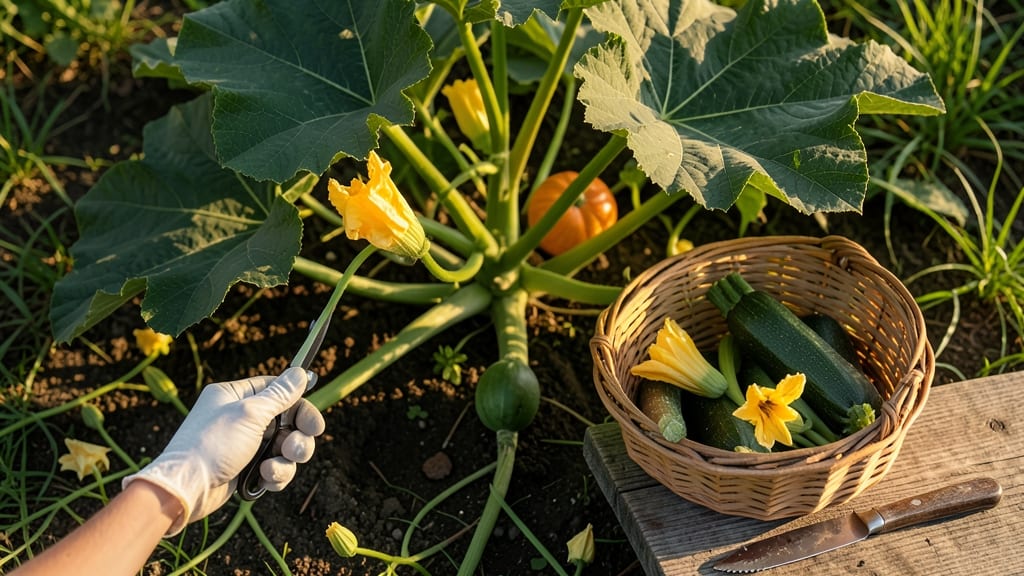
Harvesting squash blossoms at the right time ensures your garden thrives with both flowers and future fruit 🌼 — and skipping this step can mean wasted blooms or stunted squash.
These delicate 🌼 flowers are more than just pretty; they’re the key to a productive harvest. Pick them too early, and you’ll miss the prime window for pollination. Harvest too late, and you risk losing both the blossom and the squash it could have produced.
Timing matters more than you might think. The best time to harvest is early morning, when the blossoms are freshest and most vibrant. This simple habit keeps your plants healthy and your kitchen stocked with homegrown goodies.
In this guide, I’ll walk you through how to spot the perfect blossom, the best tools to use, and even how to encourage more flowers to grow. Whether you’re cooking with them or just trying to boost your yield, these tips will make all the difference.
Best time to harvest squash blossoms for pollination success
Timing is everything when harvesting squash blossoms 🌼—picking them at the wrong moment can disrupt your plant’s pollination process and reduce your harvest. The ideal window is early morning, when flowers are fully open but still crisp.
This timing ensures you capture the peak flavor and texture while preserving the plant’s ability to produce fruit.
Most gardeners focus on the male blossoms (long stems, no squash at base) since they’re the ones that pollinate the female blossoms (tiny squash at base). Harvesting male flowers at the right stage encourages more female flowers to develop, leading to a bigger yield.
If you’re harvesting for cooking, aim for fully open but not wilted blossoms.
Weather plays a critical role too. Harvest on dry, sunny mornings—avoid damp evenings when humidity can cause blossoms to wilt quickly. If rain is forecasted, harvest a day early to prevent blossoms from becoming waterlogged or damaged. Always use clean, sharp tools to minimize stress on the plant.
Now, let’s break down the exact steps to harvest squash blossoms without harming your plant:
Pick only fully open male flowers (long stems, no squash at base). Female flowers (with tiny squash) should remain on the plant for pollination.
Grab blossoms between 7 AM and 9 AM when they’re dry and crisp. Avoid harvesting after midday when heat can cause wilting.
Use sharp scissors or pruners (not your hands) to cut stems at a 45-degree angle, 1-2 inches below the blossom to encourage new growth.
Place blossoms in a paper bag or mesh container to protect petals. Avoid stacking them to prevent bruising.
Cook or refrigerate blossoms in a paper towel-lined container for up to 3 days. For longer storage, blanch and freeze.
If your garden struggles with poor pollination (e.g., few squash despite many flowers), you may need to help manually. On dry mornings, gently shake plants or use a soft paintbrush to transfer pollen from male to female blossoms.
Focus on female flowers with swollen bases—these are ready to receive pollen.
Overharvesting male flowers can backfire by reducing pollination. Limit yourself to 2-3 blossoms per plant per day to maintain balance. If you notice fewer female flowers appearing, cut back on harvesting males until the plant rebounds. This simple adjustment can double your squash yield!
Pro tip: Encourage more blossoms by ensuring your squash plants get 6+ hours of sunlight and consistent moisture. Overwatering or drought stress can cause blossoms to drop prematurely. A light balanced fertilizer (like 5-10-10) applied every 4-6 weeks also boosts flower production.
Remember, the goal is harmony—not just harvesting flowers, but ensuring your plant keeps producing. With the right timing and care, you’ll enjoy a steady supply of both edible blossoms and homegrown squash all season long 🌻.
Signs your squash blossoms are ready for harvesting (and when to leave them)
Knowing exactly when to harvest squash blossoms can mean the difference between a thriving garden and wasted flowers 🌼. The key lies in observing three simple visual cues: color, texture, and timing.
Bright yellow or white petals that are fully unfurled but still crisp to the touch are prime candidates. These blossoms are at their peak flavor and texture, making them perfect for cooking or preserving.
Another telltale sign is morning dew presence. If you notice dew clinging to the petals in the early hours, this indicates the blossom opened overnight and is ready for harvest.
Dew-free blossoms that feel slightly damp but not soggy are also good candidates. Always avoid harvesting after midday when heat can cause petals to wilt quickly, ruining their quality.
Pay attention to the stem condition as well. A firm, green stem means the blossom is healthy and ready for picking. If the stem appears woody or discolored, the blossom is past its prime.
This is a common mistake—many gardeners overlook stem health and end up harvesting subpar flowers that won’t hold up in recipes.
1. Picking female blossoms (with tiny squash at base) reduces your fruit yield. Always leave these on the plant for pollination.
2. Harvesting wilted or damaged blossoms—these won’t taste good and may attract pests.
3. Overharvesting males (more than 2-3 per plant daily) can stress the plant and reduce pollination.
Remember: Balance is key. Preserve pollination potential while enjoying your harvest!
Scent plays a subtle but important role too. A fresh, sweet fragrance means the blossom is ready for picking. If the scent is faint or musky, the flower may be past its prime.
This is especially true for zucchini and butternut squash blossoms, which have the strongest aromas when fully open.
When in doubt, leave the blossom on the plant. If you’re unsure whether a blossom is ready, it’s better to wait another day. Female blossoms (with tiny squash at the base) should never be harvested—they’re essential for fruit production.
Male blossoms (long stems, no squash) are the ones to pick for both culinary use and encouraging more female flowers to develop.
One final tip: Check for pests before harvesting. Look for holes in petals or tiny insects crawling on the blossom. Damaged flowers won’t taste good and may spread pests to other parts of your plant.
If you spot signs of pests, treat the plant with neem oil or insecticidal soap before harvesting any more blossoms.
With these signs in mind, you’ll never waste another squash blossom. Happy harvesting—and enjoy those delicious flowers in your next meal! 🌿