
Picking
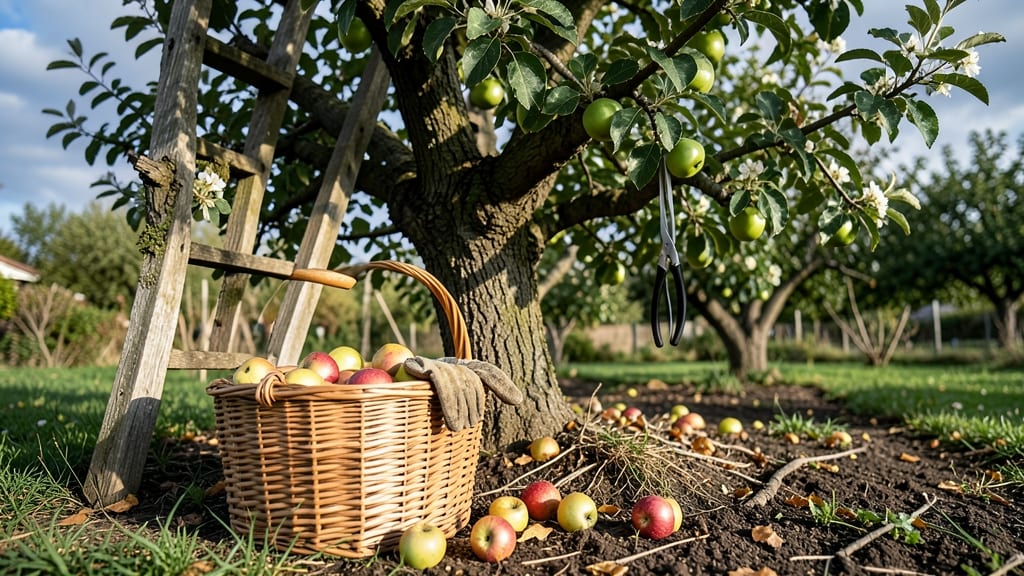
Knowing the right time to harvest apples 🍎 means the difference between sweet, crisp fruit and mealy, flavorless disappointment.
Picking too early robs you of that perfect balance of sugar and crunch, while waiting too long turns your harvest into mush. I’ve seen hundreds of apples go from juicy perfection to sad, overripe pulp just by missing the window by a week.
But here’s the good news: with a few simple tricks—like checking skin color, stem separation, and even a taste test—you can master the art of harvesting at peak ripeness. Whether you’re in Zone 6a or further south, these signs will tell you exactly when your apples are ready to pick.
Below, I’ll break down the best ways to determine harvest time by variety, climate, and those key ripening cues—so you can enjoy apples that taste like summer in every bite.

How to determine the ideal apple harvest time by variety and climate
Timing your apple harvest correctly transforms meh-tasting fruit into sweet, crisp perfection. Every variety ripens on its own schedule, influenced by climate zones and temperature fluctuations. In warmer regions like USDA Zone 8, apples may ripen 2-3 weeks earlier than in cooler Zone 5 areas.
Understanding these differences ensures you pick apples at peak flavor—when sugar content peaks and texture reaches ideal crunch.
Climate plays a huge role in ripening. Northern growers often wait until late September or even October for varieties like Honeycrisp, while Southern gardeners might harvest Gala apples as early as August. The key is watching for three critical maturity signs: color development, stem separation, and seed browning.
These cues work together to tell you when your apples are ready to pick, regardless of where you live.
For Fuji apples, the crimson red hue with yellow-green undertones signals readiness, typically appearing in late September in cooler climates. In warmer Zone 8 areas, you might harvest them by mid-September.
The stem separation test is critical here—gently twist the fruit; if it releases with a slight pop, it's ready. Seed browning is another telltale sign: cut an apple open and check for brown seeds, indicating full maturity.
Southern growers know Gala apples are the early birds of the orchard, often ripening by mid-August in Zone 9. Look for the distinctive orange-red stripes to develop fully before picking. These apples are heat-sensitive, so if your summer was unusually hot, they may ripen even earlier.
Always check for slight softness when pressed gently—if it gives just a little but doesn't squish, it's harvest time.
Granny Smith apples are the patient ones, holding onto their bright green color until late September or October, especially in cooler climates. Their cold-hardy nature makes them perfect for Zone 5 gardeners, but they need those crisp fall temperatures to sweeten properly. The stem end turning brown is your best clue—this variety often stays firm longer, so don't rely solely on color.
Northern gardeners often wait eagerly for Honeycrisp apples, which deliver that explosive crunch and sweet-tart flavor. These late-season apples typically ripen in late September but may extend into October in Zone 4.
The golden-yellow base with red blush is unmistakable when fully developed. For this variety, texture is everything—press gently; if it feels crisp but yields slightly, it's perfect for picking.
Climate affects ripening more than you might think. In warmer southern regions, apples often mature 2-3 weeks earlier than in the north. For example, a Gala apple in Florida might be ready by July, while one in Maine won't ripen until September.
Always adjust your expectations based on your USDA zone and recent weather patterns—unusually warm springs can accelerate ripening.
One common mistake is harvesting based solely on calendar dates. While general harvest windows exist, individual trees vary based on their specific microclimate. A tree on the south side of your yard might ripen 5-7 days earlier than one on the north side due to sun exposure differences.
Always check for the three key maturity signs
5 Key signs your apples are ready for harvest (with common mistakes to avoid)
Harvesting apples at the right moment is all about reading nature’s cues—because that perfect balance of sweetness and crunch disappears fast. I’ve learned the hard way that waiting too long turns crisp apples into mushy pulp, while picking too early means bland, underripe fruit.
The good news? You don’t need fancy tools—just your eyes, hands, and a little patience.
Start by checking the skin color first. Most apple varieties develop their signature hues—whether deep red, golden yellow, or bright green—right before peak ripeness.
For example, Gala apples turn a vibrant orange-red, while Granny Smith apples stay green but lose their waxy sheen. This is your first green light.
-
1. Skin Color Deepens
Variety-specific hue (e.g., Fuji: red, Honeycrisp: golden) -
2. Stem Separates Easily
Twist gently—fruit should pop off without resistance -
3. Stem End Turns Brown
Dries out and shrivels slightly—a sure sign of ripeness -
4. Firm but Slightly Soft
Press gently—should yield slightly (not squish like overripe fruit) -
5. Seeds Turn Dark Brown
Cut open an apple—seeds should be brown, not white or translucent
One of the most common mistakes I see is relying only on color. A red apple isn’t necessarily ripe—it could still be hard and tart. That’s why I always double-check with the stem test.
Hold the apple gently and twist. If it separates cleanly from the branch with just a slight tug (no forcing!), it’s ready. If the fruit stays attached, it’s not quite there yet.
For a foolproof way to test sweetness at home, try the sugar test. Cut an apple in half and taste it—ripe apples should be naturally sweet with minimal tartness.
If it’s still sour, wait a few days. Pro tip: Honeycrisp and Ambrosia varieties often need extra time to sweeten fully, so don’t rush them!
Picking too early? Your apples will lack flavor and store poorly. Too late? They’ll be mealy and prone to spoilage. The window is narrow—sometimes just 3-5 days—so check your apples daily once they start changing color. And remember: Morning harvests are best because cooler temps preserve freshness longer.
Once you’ve mastered these signs, you’ll never miss the perfect harvest again. Trust me, there’s nothing like biting into an apple that’s crisp, juicy, and bursting with sweetness—straight from your own tree. Happy picking! 🍎