
Vegetables
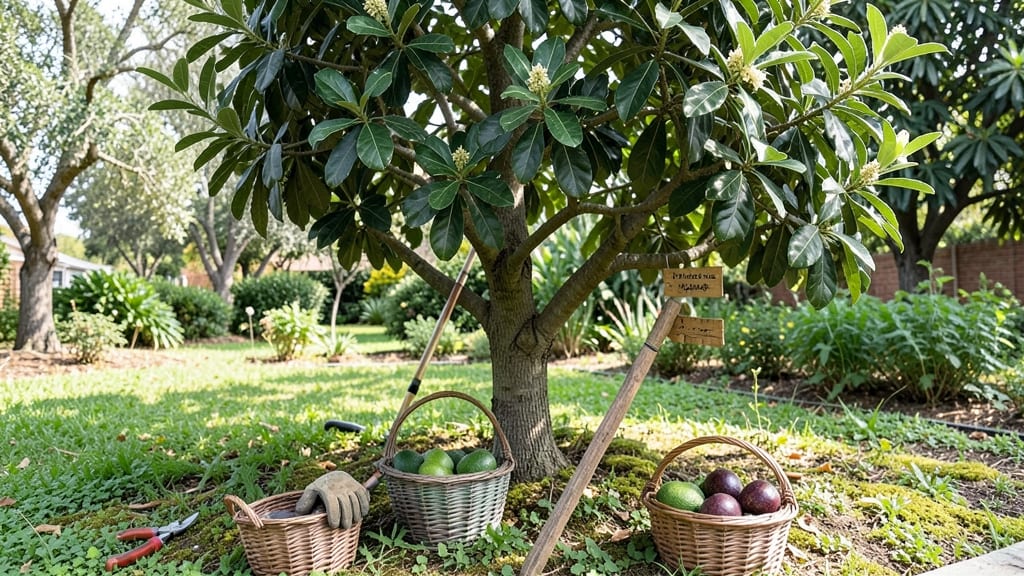
The time to harvest avocados depends on your variety and climate, but the key is waiting for the fruit to reach peak ripeness—not too firm, not too soft.
Picking too early means bland, mealy flesh; too late, and you’re left with a mushy mess. I’ve learned the hard way that the difference between creamy perfection and disappointment comes down to three simple tactile tests—ones you can do right in your garden.
Whether you’re growing Hass 🥑 or Fuerte in zones 9-11, these cues will tell you exactly when to pluck them for immediate use or storage. No more guessing, no more wasted fruit.
Below, I’ll walk you through the three foolproof methods to check ripeness, plus how to adjust for your local climate and variety. Ready to master the art of harvest timing?

3 Tactile tests to determine avocado ripeness before harvest
There’s nothing worse than biting into an avocado that’s either rock-hard or mushy—both mean you missed the peak ripeness window. The good news? You don’t need fancy tools to judge when your avocados are ready.
With just your hands, you can perform three simple tactile tests to confirm ripeness. These methods work for both homegrown trees and store-bought fruit, ensuring you always get that creamy, buttery texture we all love.
Avocados are unique because they ripen after harvest, but knowing when to pick them from the tree is critical. The three tactile tests I rely on—gentle pressure test, stem twist check, and color cues—give you a foolproof way to determine ripeness.
Whether you’re harvesting for immediate use or storage, these techniques save you from guesswork and waste. Let’s dive into each one so you can master the art of picking avocados at their prime.
The gentle pressure test is my go-to because it’s the most reliable indicator of internal ripeness. When you press your thumb into the avocado skin, you’re checking for the right balance of firmness and yield. A ripe avocado should feel slightly soft to the touch but not mushy.
Think of it like testing a ripe tomato—it should give just enough to signal readiness without collapsing. If the skin springs back immediately, the fruit needs more time on the tree.
Here’s a pro tip: Hass avocados, the most common variety, are often harvested when they’re still firm but mature. They’ll ripen perfectly indoors at room temperature over 3-5 days.
For Fuerte or Reed avocados, which ripen on the tree, the pressure test is even more critical because they don’t soften as dramatically after picking. Always pair this test with the stem twist check to avoid mistakes.
Don’t overlook the stem twist check, as it’s a quick way to confirm whether the fruit is ready to harvest. When you twist the avocado gently, you’re testing the bond between the fruit and the stem.
A ripe avocado should release easily with a slight twist—almost like unscrewing a jar lid. If the stem resists, the fruit isn’t ready yet.
On the flip side, if the stem pulls off too easily or the fruit feels hollow when you twist, it’s past its prime and should be used immediately.
Color cues are the most visual of the three tests, but they’re also the most variety-dependent. For example, Hass avocados start as bright green and mature to a deep purple-black hue. Meanwhile, Fuerte avocados turn from green to a yellow-green with a reddish blush.
If the color is uneven—with patches of dark and light—it’s a sign the fruit is ready. Avoid picking avocados that are uniformly green, as they’re still hard and underripe.
One common mistake I see is relying on just one test. For instance, some gardeners pick avocados based solely on color, only to find they’re still hard inside. Others trust the pressure test alone and end up with overripe fruit.
The key is to combine all three tests: pressure, stem twist, and color. This triple-check ensures you’re harvesting at the perfect moment, whether you’re planning to eat the avocado right away or store it for later.
If you’re harvesting for immediate use, aim for avocados that pass all three tests but are still slightly firm. These will ripen perfectly in 1-3 days at room temperature.
For long-term storage (up to 3-5 months in the fridge), pick avocados that are firm but ripe—just slightly softer than those meant for immediate consumption. This balance ensures they’ll ripen fully indoors without spoiling prematurely.
Remember, avocados continue to ripen after harvest, so timing is everything. By mastering these three tactile tests, you’ll never again wonder whether your avocado is ready.
Whether you’re a backyard gardener or a grocery shopper, these methods guarantee you’ll always pick avocados at their peak—creamy, flavorful, and ready to enjoy.
When to harvest avocados for storage vs immediate use
Harvesting avocados at the right moment depends on whether you plan to eat them fresh or store them for later. For immediate use, aim for a slightly softer fruit with a darkened skin and a seed that yields slightly when pressed.
This means they’re ripe now but won’t last long off the tree.
If you’re storing them for 3-5 months, harvest when the fruit is still firm but ripe—just before they reach peak softness. The skin should be fully colored (not green) and the seed should feel firm inside. This stage ensures they’ll ripen further during storage.
| Purpose | Skin Condition | Seed Firmness | Flesh Texture |
|---|---|---|---|
| Immediate Use | Darkened, slightly soft | Yields slightly to pressure | Creamy, ready to eat |
| Storage (3-5 months) | Fully colored, firm | Firm, no give | Firm but ripe |
| Climate Adjustment (Hot) | Harvest earlier (softer) | Seed slightly softer | Ripens faster |
| Climate Adjustment (Cool) | Harvest firmer | Seed very firm | Slower ripening |
Climate plays a huge role in harvest timing. In hotter zones (9-11), avocados ripen faster, so harvest them slightly earlier—when the skin is just starting to darken and the flesh yields very slightly to pressure.
In cooler microclimates, wait until the fruit is fully firm to avoid overripening during storage.
For Hass avocados, the most common variety, look for a deep purple-black skin and a stem that twists easily. Fuerte avocados, on the other hand, should have a yellow-green skin with a slight blush before harvesting. Both varieties need this color change to signal maturity.
Pro tip: If you’re unsure, harvest a few avocados at different stages and let them ripen at room temperature. This way, you’ll learn the exact tactile cues that work best for your specific tree and climate. Over time, you’ll develop a keen sense for the perfect harvest moment.
Once harvested, store avocados at 50-55°F (10-13°C) for long-term storage, or keep them at room temperature for 1-2 days to ripen fully. Avoid refrigerating until they’re fully ripe—cold temperatures can turn their flesh bland and grainy.
Mastering the harvest timing ensures you’ll always enjoy avocados at their peak flavor and texture, whether you’re eating them fresh or saving them for later. Happy harvesting! 🌱