
Picking
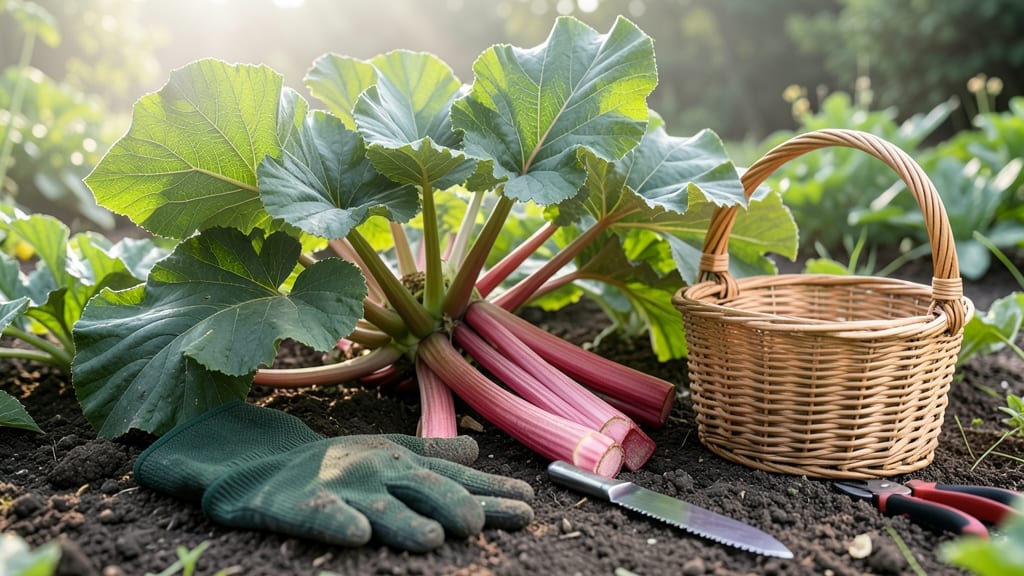
Harvesting rhubarb at the right time turns its tart bite into a sweet, flavorful treat 🌱 — and missing that window means tough, fibrous stalks instead.
Picture this: you’ve waited all spring for your rhubarb to mature, only to pull a stalk that’s woody and disappointing. The key to avoiding that frustration? Timing based on stem size, color, and seasonal cues—not just guessing when it’s ready.
In Zone 6a, the ideal harvest window opens in late spring (May-June), when stalks hit 10+ inches and boast vibrant red, pink, or green hues. But here’s the catch: cutting too early or too aggressively can weaken the plant and shorten your harvest.
Below, I’ll walk you through the exact checklist for picking rhubarb at peak sweetness, plus how to extend your harvest season so you’re not left with just a few stalks by summer’s end.

When to harvest rhubarb by stem color and size (exact checklist)
Harvesting rhubarb at the right moment turns its natural tartness into a delicious, sweet-tart flavor perfect for pies and compotes.
The key lies in stem color, size, and seasonal timing, which vary slightly by variety. Red and pink varieties develop their signature hues when fully ripe, while green types stay milder but crispest at the right length.
Let’s break down the exact visual cues and harvest window to maximize your yield.
Most gardeners wait until late spring or early summer—typically May to June in USDA Zone 6a—to harvest rhubarb. This aligns with the plant’s second year of growth, when stalks reach their ideal size. First-year plants should never be harvested, as they need all their energy to establish roots.
For established plants, the earliest harvest is when stalks hit 10–12 inches long, but timing by color ensures peak sweetness.
Visual cues matter most. A stalk’s color isn’t just about aesthetics—it signals ripeness and sugar content. For example, red varieties like ‘Strawberry’ rhubarb deepen to a vibrant crimson when fully ripe, while green types like ‘Victoria’ develop a glossy sheen. Pink varieties strike a balance, turning a soft magenta. Pair these color clues with firmness and length for the perfect harvest.
Seasonal timing affects flavor. Early spring harvests (March–April) yield tender, slightly sweeter stalks, while summer harvests (June–July) produce larger but slightly more tart stalks. Avoid harvesting after flowering, as this drains the plant’s energy and reduces next year’s yield. Instead, focus on stalks that emerge before buds open—these are the sweetest and most flavorful.
For red and pink varieties, aim for stalks that are vibrant in color and firm to the touch.
A gentle squeeze should reveal a crisp, snappy texture—if it feels rubbery or hollow, it’s past its prime. Green rhubarb, like ‘Victoria’, stays milder but benefits from a slightly longer stalk (12+ inches) to avoid fibrous cores. Yellow-green types, such as ‘Golden Times’, are best harvested early in the season for their unusually sweet flavor.
Never harvest more than one-third of the stalks at a time to avoid stressing the plant. Use a clean, sharp knife or pruners to cut stalks at the base, leaving the leaves intact to nourish the plant. Avoid pulling stalks, as this can damage the crown.
After harvesting, store rhubarb in the fridge for up to 2 weeks in a plastic bag with a paper towel to absorb moisture.
If your rhubarb plants produce smaller stalks than expected, check for these common issues: overcrowding, poor soil, or lack of sunlight.
Amend the soil with compost and a balanced fertilizer (10-10-10) in early spring to encourage larger growth. Mulch around the base with straw to retain moisture and protect roots, which can extend the harvest season by 2–3 weeks in cooler climates.
Pro tip: Harvest in the morning when stalks are crispest and most flavorful. Avoid harvesting after a heavy rain, as wet stalks bruise easily and spoil faster. Rotate harvests around the plant to promote even growth—this prevents one side from becoming overworked while the other lags.
With the right timing, your rhubarb will reward you with sweet, tender stalks for years to come.
Common mistakes that ruin rhubarb flavor (and how to avoid them)
Harvesting rhubarb at the wrong time can turn your sweet harvest into a tart disappointment. Many gardeners make simple mistakes that compromise both flavor and plant health. The key is understanding when to cut—and when to stop.
Over-harvesting or picking too early are the most common culprits, but even subtle cues like leaf color or stalk firmness can signal trouble.
First, let’s address the biggest mistake: harvesting young, underdeveloped stalks. These are typically woody and fibrous, lacking the tender, crisp texture you crave. Even if they’re bright red or pink, their flavor will be harsh.
Wait until stalks reach at least 10-12 inches long and have a diameter of ½ inch or thicker—this ensures peak sweetness and tenderness.
Harvest time for rhubarb is a narrow window: late spring to early summer (May-June in most zones). Cutting before full maturity (stalks <6 inches) or after flowering begins (July-August) ruins flavor. Over-mature stalks become leathery and bitter, while early stalks are tough and stringy. Always check for bright color and firmness—never guess!
Another critical error is ignoring plant health signals. If your rhubarb leaves turn yellow or wilt, it’s begging for help—not more harvesting. Stress from over-picking weakens the plant, making it vulnerable to disease or pests.
Never remove more than ⅓ of the stalks at once, and always leave at least 6-8 stalks to fuel the plant’s energy reserves for next year’s growth.
Timing matters beyond just stalk size. Harvest in the morning after dew dries for the crispest texture. Avoid cutting after heavy rain, as wet stalks bruise easily and spoil faster.
Also, never harvest frost-damaged stalks—they’ll be mushy and flavorless. If frost hits, wait until the plant recovers before picking again.
Even experienced gardeners fall for the myth that harvesting all stalks encourages more growth. This is false! Rhubarb relies on its leaves to photosynthesize and store energy. Stripping the plant bare can kill it.
Instead, focus on selective harvesting: pick only the largest, healthiest stalks, leaving smaller ones to mature. This strategy keeps your plant productive for decades.
Finally, overlooking variety differences can backfire. Some rhubarb types, like ‘Victoria’ or ‘Champagne’, are sweeter and more tender than others. If your stalks taste bland or fibrous, it might be time to switch varieties. Always research your specific rhubarb type—its ideal harvest window can vary by 2-3 weeks.
By avoiding these mistakes, you’ll enjoy sweeter, more abundant rhubarb harvests year after year. The secret? Patience, observation, and respecting your plant’s cues. Your rhubarb will thank you with plump, flavorful stalks for seasons to come. 🌱