
How To
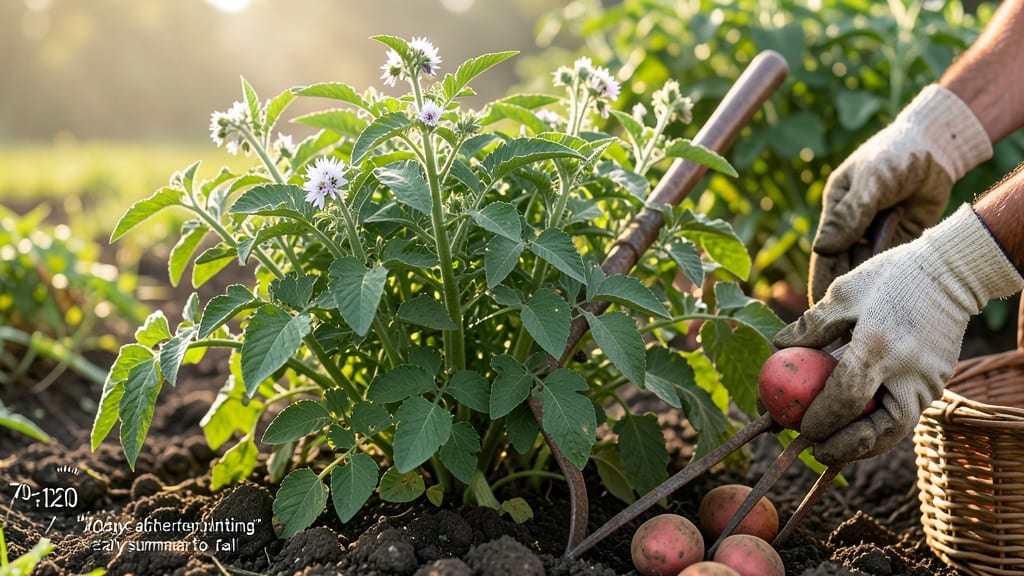
Harvesting potatoes takes about 90 days for most varieties, but timing it right means the difference between a bountiful haul and digging up tiny, underdeveloped tubers.
Wondering when you can dig up those lush potato plants and enjoy your homegrown harvest? The answer depends on the variety—and getting it wrong could mean small yields or even wasted effort.
Early varieties like Red Pontiac are ready in as little as 70 days, while late-season types like Yukon Gold may need up to 120 days to reach full size. The key is watching for yellowing foliage and firm tubers, not just counting days.
Below, I’ll break down the exact harvest windows by variety, how to spot readiness, and pro tips to maximize your 🥔 yield—whether you’re in a cool Zone 6a or a warmer climate.

Potato harvest timeline by variety: early, mid-season, and late varieties explained
Timing your potato harvest correctly ensures you get the largest, most flavorful tubers possible. The key lies in understanding your variety type—whether it's an early, mid-season, or late maturing potato.
Each variety has a distinct harvest window that aligns with its growth cycle, typically ranging from 60 to 120 days after planting. Knowing these timelines helps you avoid digging too early (small potatoes) or too late (shriveled tubers).
Early varieties like Red Pontiac or Yukon Gold mature in just 70-90 days, making them perfect for spring plantings. Mid-season varieties such as Kennebec take 90-110 days, while late varieties like Russet Burbank need 110-120 days to reach full maturity.
Your local climate also plays a role—cooler regions may need adjusted timelines to account for shorter growing seasons.
Here’s a quick reference for common potato varieties and their ideal harvest windows, along with key signs to watch for:
For early varieties, the harvest window opens as soon as the foliage starts yellowing—usually around 70-90 days after planting. These potatoes are best harvested early to avoid tough skins or shriveled tubers.
I’ve found that Red Pontiac and Yukon Gold are perfect for spring plantings, giving you a quick harvest just as other crops are getting started.
Mid-season varieties like Kennebec or Fingerlings reach their prime between 90-110 days. These are ideal for gardeners who want a steady supply of potatoes throughout the summer. Watch for the blooms to fade and the stems to turn yellow—these are clear signals that the tubers are ready.
Fingerlings, in particular, benefit from being harvested when the stems snap easily, ensuring the best flavor and texture.
Late varieties such as Russet Burbank require the longest growing season, typically 110-120 days. These potatoes are best left in the ground until the foliage has completely died back, which usually happens closer to the first frost.
The longer growing season allows the tubers to reach their maximum size, making them perfect for baking or storing long-term.
Soil conditions also play a critical role in determining the best time to harvest. The ground should be dry and warm—ideally between 60-75°F—to prevent soil from sticking to the tubers.
If you’re in a cooler climate, aim to harvest before the first frost, as cold temperatures can damage the potatoes. In warmer regions, you might have a longer
Signs your potatoes are ready for harvest: what to watch for (before digging
Knowing when to harvest potatoes is half the battle—dig too soon, and you’ll end up with tiny, underdeveloped tubers. Too late, and you risk splitting or losing your crop to frost. The key lies in watching for three critical signs: plant maturity, tuber size, and soil conditions.
I’ve learned the hard way that ignoring these cues can mean wasted effort, so let’s break it down step by step.
First, pay attention to your potato plant’s foliage. When the leaves start turning yellow and begin to die back—what gardeners call senescence—this signals that the plant is redirecting energy to the tubers below.
For most varieties, this happens 70–90 days after planting, but early varieties may show these signs as early as 60 days. Don’t wait until the plant is completely brown, though; that’s a sign you’ve missed the optimal window.
🌱 Harvest Timing: Most potatoes take 90 days to reach full maturity, but early varieties like Red Pontiac can be ready in 60–70 days. Late varieties (e.g., Russian Banana) may need 100–120 days. Always check your seed packet for variety-specific guidance.
⏰ Pro Tip: Plant a mix of early, mid-season, and late varieties to stagger your harvest and enjoy fresh potatoes all summer!
Next, test the tuber size by gently digging up one or two potatoes to check their development. Ideally, you’re looking for tubers that are at least 2–3 inches in diameter. If they’re smaller, give them another 1–2 weeks to grow.
You can also press your thumbnail into the skin of a tuber—if it resists, it’s ready. If it pierces easily, it’s still too small.
Don’t forget to check the soil conditions around your plants. When the soil is dry and the tubers have formed a papery skin, it’s time to harvest. This skin protects the potato from damage and disease, making it easier to store later.
If your soil is consistently wet, wait a few more days to avoid muddy, damaged tubers during digging.
One common mistake I’ve seen (and made!) is harvesting potatoes too early just because the plants look healthy. Early harvests often result in small, green tubers that taste bitter and won’t store well.
On the flip side, waiting too long can lead to shriveled or split potatoes, especially in hot, dry weather. Balance is key!
For second-crop potatoes, like those planted after your first harvest, watch for new shoots emerging from the soil. These indicate that the remaining tubers are still growing. Once these shoots start yellowing, it’s time to dig them up. This trick ensures you get a second harvest without replanting!
Finally, avoid harvesting in wet or freezing soil. Wait for a dry, sunny day to dig your potatoes. This makes handling easier and reduces the risk of disease.
Once harvested, let the tubers cure in the sun for a few hours to toughen their skins before storing them in a cool, dark place.