
How To
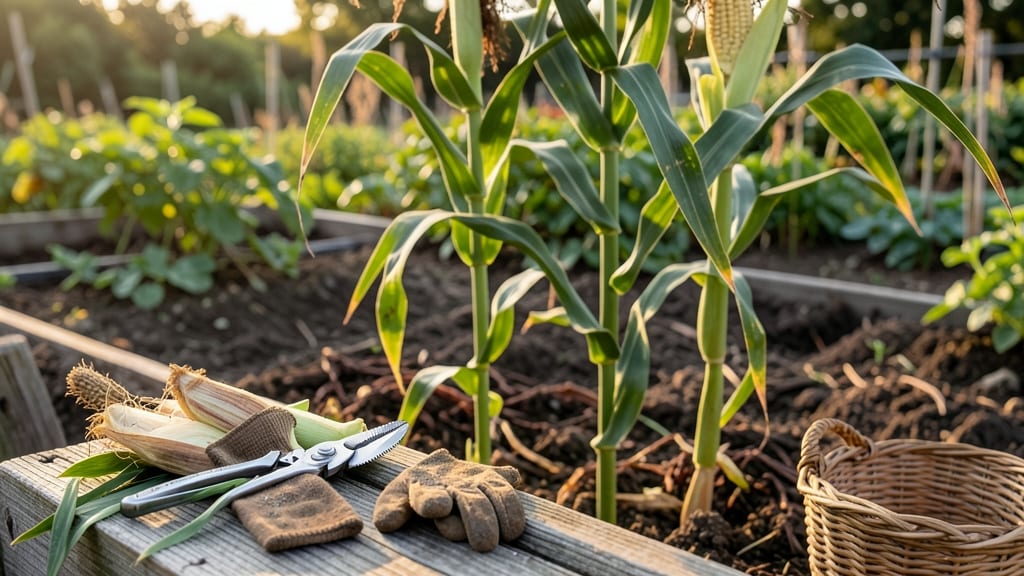
Harvesting corn at the right time means 70 to 120 days after planting, depending on the variety—too soon and you’ll get bland, starchy kernels; too late and they’ll turn tough and woody.
Nothing beats the taste of fresh-picked corn straight from your garden—but timing is everything. Harvest too early, and you’ll get mealy kernels; too late, and they’ll turn woody. Here’s how to nail the perfect moment for peak flavor and kernel tightness.
Most gardeners wait until the silks turn brown and the kernels are plump but still milky when pierced with a fingernail. But weather, variety, and even soil conditions can shift that window by weeks.
For example, early-season sweet corn like Silver Queen may be ready in as little as 60 days, while field corn can take up to 120 days.
Below, I’ll break down how to read your corn’s signals, adjust for your climate, and avoid the three biggest mistakes that ruin harvest timing—so you can enjoy that buttery, juicy flavor at its best.

How to determine corn harvest days by ear, kernel, and milk line
Knowing exactly when to harvest your corn ensures sweet, tender kernels packed with flavor. While days to maturity vary by variety (typically 60-120 days), visual and tactile cues give you the precise moment to pick.
The milk line test, kernel firmness, and silk color changes are your best friends—here’s how to use them like a pro.
Most gardeners rely on a combination of visual checks and simple tests to avoid harvesting too early (mealy kernels) or too late (woody texture). For example, if your sweet corn variety promises 70 days to harvest, don’t assume it’s ready—count on these cues instead.
Weather plays a role too: cooler temperatures can delay maturity, while hot, dry spells may speed it up.
Start by examining the silks at the top of the ear. When they turn brown and crispy, it’s a strong sign the kernels are nearing perfection. But don’t stop there—this is just the first clue in your corn harvest checklist.
The real magic happens when you combine this with the milk line test and kernel firmness.
Step-by-Step Corn Harvest Guide
-
Step 1: Check the Silks
Silks should be dry and brown. If they’re still green or moist, wait 2-3 more days. -
Step 2: Perform the Milk Line Test
Pierce a kernel with your fingernail. If it oozes a milky-white liquid, it’s ready. If it’s clear (watery), wait 1-2 days. If it’s creamy-yellow, harvest now for peak sweetness. -
Step 3: Test Kernel Firmness
Squeeze the ear gently. It should feel full and firm, not hollow or lightweight. Kernels should also be plump and slightly soft to the touch. -
Step 4: Inspect the Ear’s Base
Look for drying husk leaves near the ear. If the lower leaves are browning, the ear is maturing fast—harvest within 24 hours. -
Step 5: Adjust for Weather
Hot, dry weather speeds up maturity—check ears daily. Cool, rainy seasons may delay harvest by 3-5 days. Always prioritize visual cues over calendar dates.
One of the most common mistakes I see is relying solely on days to maturity listed on seed packets. While these are helpful estimates, they don’t account for your specific growing conditions.
For instance, if you planted early-season sweet corn like ‘Silver Queen’ (typically 65 days), but your summer was unusually hot, the kernels might be ready in just 55-60 days. Always cross-reference seed packet timelines with these visual cues.
The milk line test is especially critical for sweet corn varieties, as it directly measures kernel sweetness. When the liquid inside the kernel is milky-white, the sugars are at their peak.
If you wait until the liquid turns yellow or clear, the kernels will start converting sugars into starches, making them less sweet and more starchy. This is why timing your harvest within a 24-hour window around the milk line stage makes all the difference.
Don’t overlook the ear’s weight and appearance either. A fully mature ear should feel heavy for its size and have kernels that are snug against each other. If the ear feels light or hollow when you hold it, the kernels aren’t fully developed yet.
Pro tip: Shake the ear gently near your ear—you should hear the kernels rattle loudly, not sound empty.
Weather can throw off your harvest timeline, so stay flexible. For example, if your region experiences a heatwave during pollination, the corn may mature faster than expected. On the flip side, cool, cloudy summers can stretch out the growing season by 10-15 days.
Always monitor your plants closely during these conditions and adjust your harvest schedule accordingly.
Finally, remember that frost is the enemy of sweet corn. If a frost is forecasted before your corn reaches maturity, harvest what you can—even if the kernels aren’t perfect. You can blanch and freeze the ears for later use.
For popcorn or field corn, frost isn’t as critical, but the kernels will still dry out on the cob if left too long.
With these steps, you’ll never second-guess your corn harvest again. The key is to combine visual cues, tactile tests, and a little patience. Soon, you’ll be enjoying corn so sweet and tender, it’ll taste like summer in every bite. 🌽
Corn variety harvest timing chart: days to maturity by type
Choosing the right corn variety is key to matching your growing season and climate. Early-season varieties thrive in short summers, while late-season types need extra warmth. Let’s break down days to harvest for popular types—sweet corn, popcorn, and flour corn—so you can plan for peak harvests.
Your planting time and local frost dates determine which varieties work best. For example, short-season gardeners (like those in Zone 5) should stick to 60-70 day varieties, while longer growing seasons (Zones 7+) can handle 90-110 day types. Always adjust for early spring or late summer planting delays.
| Variety Type | Days to Maturity | Best For | Climate Zones |
|---|---|---|---|
| Sweet Corn (Early) | 60-70 days | Short seasons, quick harvests | 4-6 |
| Sweet Corn (Mid) | 70-85 days | Standard seasons, high yields | 5-8 |
| Sweet Corn (Late) | 90-110 days | Long seasons, late harvests | 7-10 |
| Popcorn (Early) | 75-90 days | Quick popcorn, short seasons | 4-7 |
| Popcorn (Standard) | 90-105 days | Classic popcorn, reliable | 5-9 |
| Flour Corn (Dent) | 100-120 days | Long-term storage, baking | 6-10 |
For sweet corn, early varieties like 'Early Sunglow' (65 days) are perfect for northern climates, while 'Silver Queen' (85 days) thrives in longer seasons.
If you’re growing popcorn, look for 'Strawberry Popcorn' (80 days) or 'Mammoth Melting' (100 days) for a classic kernel. Flour corn, like 'Country Gentleman' (110 days), needs patience but rewards with dry, storable kernels.
Pro tip: Adjust your planting date based on your last frost date. For example, if frost arrives early, opt for 60-70 day varieties planted in late May instead of early April. Always monitor silk drying and kernel milkiness—these are better indicators than days alone!
Remember, heat stress can slow maturity, while cool nights may extend days to harvest. If your summer is unusually hot, water deeply to prevent kernel shriveling before maturity. For short-season areas, consider succession planting every 2 weeks to stagger harvests.
Now that you’ve got your timing chart, mark your calendar for harvest day! With the right variety and care, you’ll enjoy buttery-sweet corn straight from your garden all season long. 🌽