
How To
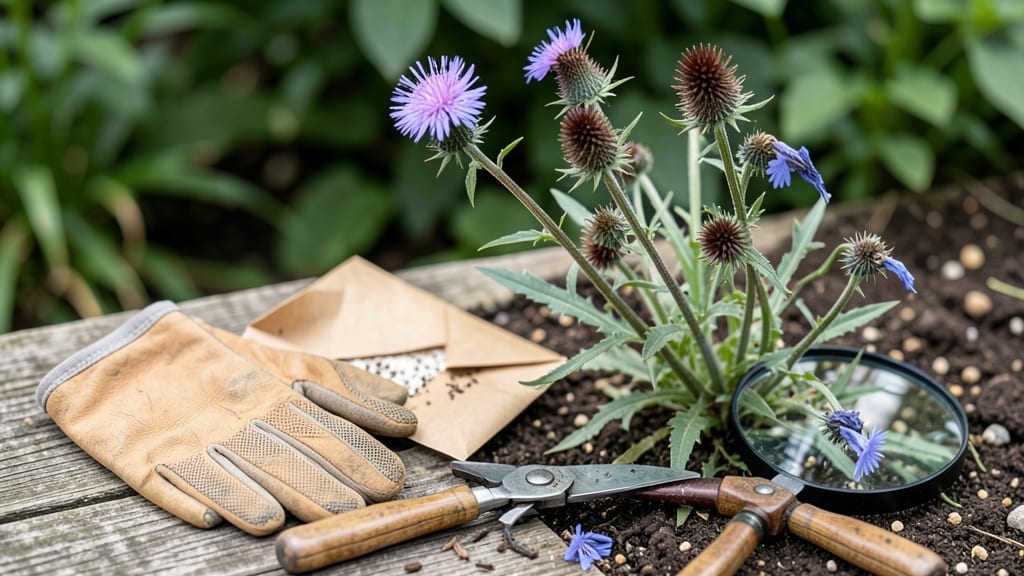
To harvest bachelor button seeds, wait until the 🌸 flower heads turn completely brown and papery, then gently collect them before they scatter in the wind.
Picture this: your vibrant bachelor button blooms have faded into delicate, dried seed pods, ready to release their treasures. But timing is everything—harvest too early, and the seeds won’t be viable; too late, and they’ll vanish into the breeze, leaving you with nothing for next year’s garden.
This guide breaks down the exact signs to watch for, from the telltale rattling of mature seeds to the ideal moment to snip them off the stem. You’ll also learn how to store them properly so they stay fresh until planting season rolls around again.
Whether you’re saving seeds for replanting or simply preserving a piece of your garden’s charm, these steps ensure you get the most out of your bachelor button harvest—no wasted effort, just pure gardening success.

When to harvest bachelor button seeds: identifying the perfect ripeness stage
Timing your bachelor button (Centaurea cyanus) seed harvest correctly ensures you capture the highest viability for next year’s garden. These delicate flowers transition from vibrant blooms to seed-filled treasures over 6-8 weeks after flowering, but missing the window means wasted potential.
Understanding the visual and environmental cues will help you avoid harvesting too early or too late.
The ideal moment arrives when flower heads turn completely brown and develop a papery texture, signaling the seeds inside are fully mature. This typically occurs 2-3 weeks after blooms fade, but environmental factors like temperature and humidity can shift this timeline by a week or more.
Paying attention to these details guarantees you collect seeds at their peak readiness.
One of the most reliable signs of seed readiness is the "rattle test". Gently shake a mature flower head—if you hear seeds moving inside, they’re ready. This test works best in the morning when dew has dried, as moisture can mask the sound.
I’ve found this method especially useful in humid climates where flower heads may stay green longer.
Pay close attention to the seed head structure. Mature bachelor button seeds develop within brittle, papery bracts that turn from green to tan. When these bracts crumble easily between your fingers, the seeds inside are typically at their peak viability.
Avoid harvesting if the heads still feel firm or moist, as seeds may not be fully developed.
Environmental conditions play a crucial role in determining the optimal harvest window. In hot, dry climates, flower heads may mature faster—sometimes in as little as 4-5 weeks—while cooler, wetter regions can extend the process to 8-10 weeks.
I’ve noticed that in USDA Zone 6a, where I garden, the best harvest time falls between late July and early September, aligning with the plant’s natural late-summer senescence.
Humidity levels also influence seed drying. In high-humidity areas, flower heads may struggle to dry properly, leading to moldy seeds or poor germination. If you’re in a rain-prone region, consider harvesting seeds indoors under a fan to speed up the drying process.
This extra step can make the difference between viable seeds and wasted effort.
Another key indicator is the absence of green foliage on the seed head. As the plant redirects energy to seed production, the leaves surrounding the flower head will yellow and fall away. This natural process signals that the plant is fully committed to seed maturation.
I’ve learned to trust this visual cue more than any other—it’s nature’s way of telling you the seeds are nearly ready.
Timing your harvest correctly also depends on your local frost dates. Bachelor button seeds should be collected before the first frost, which can damage both the seed heads and any remaining seeds.
In my garden, I mark my calendar for October 15th as the absolute deadline for seed collection, giving me a 2-week buffer before the average first frost in USDA Zone 6a.
If you’re unsure whether your seeds are ready, harvest a few test heads and let them dry completely indoors. Place them in a paper bag for 3-5 days—if the seeds easily separate from the bracts, your main harvest is ready.
This low-risk method prevents you from missing the optimal window while avoiding overripe seeds that may scatter in the wind.
Finally, remember that patience pays off with bachelor button seeds. Rushing the harvest can leave you with underdeveloped seeds that won’t germinate, while waiting too long risks losing seeds to birds, wind, or weather. By mastering these visual and environmental cues, you’ll
Step-by-step bachelor button seed harvesting process
Harvesting bachelor button seeds is all about patience and precision. Once your 🌸 flowers have faded and the seed heads turn completely brown, you’ll know it’s time to act.
But rushing the process can lead to immature seeds that won’t sprout—so let’s walk through the exact steps to ensure you collect viable seeds without damaging your plants or wasting your efforts.
The best time to harvest is on a dry, calm morning when the seed heads are fully mature but before they scatter in the wind. This usually happens 2-3 weeks after flowering, depending on your climate.
Grab your tools—a pair of clean pruning shears, a small paper bag, and a flat surface—and let’s get started.
Step-by-Step Bachelor Button Seed Harvesting
- 1 Identify mature seed heads: Look for brown, papery flower heads that rattle when shaken. Avoid heads that are still green or soft.
- 2 Cut seed heads cleanly: Use sterilized pruning shears to snip the stem just above the first set of leaves. Place heads in a paper bag immediately to prevent seed loss.
- 3 Dry seed heads indoors: Lay heads on a clean, dry surface (like newspaper) in a well-ventilated area for 3-5 days. Avoid direct sunlight to prevent overheating.
- 4 Extract seeds gently: Once completely dry, rub the seed heads between your fingers or use a fine mesh sieve to separate seeds from chaff. Store seeds in a paper envelope or airtight container.
- 5 Label and store: Mark your envelope with the harvest date and store in a cool, dark place (like a fridge) for up to 2-3 years. Test viability by placing a few seeds in damp paper towels for 7-10 days.
If you harvest too early, your seeds won’t germinate—so always double-check for the brittle, brown texture and that rattling sound. And if you miss the window, don’t worry; bachelor button seeds often self-sow, so you might find new plants popping up next season anyway.
Pro tip: Avoid harvesting on windy days, as seeds can scatter before you collect them. A small breathable bag or even a paper lunch bag works perfectly for catching seeds mid-air if they start to release prematurely.
With these steps, you’ll have a stash of high-quality seeds ready for next year’s garden—no wasted effort, just pure gardening success. Happy harvesting! 🌱