
How To
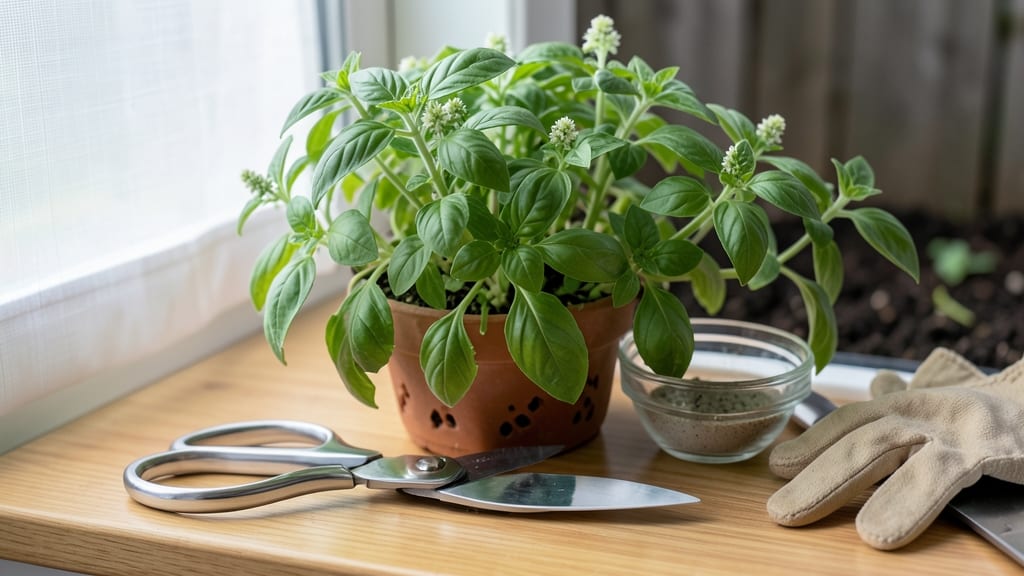
To harvest basil with pictures guiding every step, start by pinching leaves just above a node—this simple trick keeps your plant lush and productive 🌿.
Nothing beats the fresh, aromatic taste of basil picked at its peak—but timing and technique make all the difference. Skip the wrong cuts, and you’ll end up with a leggy, bitter plant instead of a flavor-packed harvest.
In this guide, I’ll walk you through the exact moments to pick (before flowers appear), how to snip stems for regrowth, and which leaves to avoid touching. Plus, I’ve included visual cues so you never guess again.
By the end, you’ll know how to maximize your yield, store your harvest like a pro, and keep your basil thriving for weeks of perfect picking.

When and how to harvest basil for maximum flavor and plant growth
Timing your basil harvest is everything—pick too early, and you miss peak flavor. Too late, and your plant bolts, turning bitter and woody. The golden window is when your basil reaches 6-8 inches tall with 6-8 true leaves, typically 45-60 days after planting.
This is when the leaves are largest, most aromatic, and packed with flavor. I always check for vibrant green leaves and firm stems as my go-to visual cues.
Harvesting basil correctly isn’t just about picking leaves—it’s about encouraging regrowth. When you cut stems properly, you trigger the plant to branch out, giving you a bushier, more productive plant for weeks.
I’ve learned the hard way that skipping this step leads to leggy, sparse plants that produce fewer leaves. The key is to always cut just above a leaf node, where new growth will sprout.
Here’s what you’ll need to harvest like a pro: a sharp pair of pruning shears or clean scissors, a small bowl or container for your harvest, and a damp paper towel to wipe your tools between cuts.
Avoid harvesting with your fingers—this can crush stems and spread disease. I also recommend working in the morning when the oils in the leaves are at their peak for maximum flavor.
Never harvest basil after it bolts (sends up a flower stalk). Once this happens, the leaves turn bitter and the plant’s energy shifts to seed production. Bolting usually occurs when basil gets too hot or stressed, often in late summer.
If you see flower buds forming, it’s time to harvest the entire plant and use it immediately—great for pesto or drying before the flavor degrades.
🌿 Step-by-Step Basil Harvesting Guide
-
Step 1: Wait for the Right Size
Harvest when your basil plant is 6-8 inches tall with 6-8 true leaves. Look for large, vibrant green leaves and firm stems—these are your visual cues for peak flavor. -
Step 2: Choose Your Cutting Tool
Use sharp pruning shears or clean scissors to avoid crushing stems. Never use dull tools—this damages the plant and spreads disease. -
Step 3: Locate a Leaf Node
Identify the leaf node (the point where a leaf meets the stem). This is where new growth will sprout. Cut just above the node at a 45-degree angle for a clean cut. -
Step 4: Make the Cut
Snip the stem 1/4 inch above the node. This encourages the plant to branch out, giving you more leaves in the future. Avoid cutting too close to the node—it can rot. -
Step 5: Harvest Regularly
Pick every 2-3 weeks to maintain bushy growth. Never remove more than 1/3 of the plant at once—this stresses the basil and reduces yield. -
Step 6: Store Immediately
Place harvested basil in a glass of water in the fridge to preserve freshness. For long-term storage, dry or freeze the leaves within 24 hours.
If you’re growing basil in containers, harvesting is even more critical because space is limited. I’ve found that pinching off the top sets of the plant early on encourages a fuller, bushier shape.
This is especially useful for dwarf varieties like Genovese or Spicy Globe, which stay compact. For larger varieties like Sweet Basil, focus on cutting outer stems to keep the center open and airy.
One common mistake I see is harvesting only the top leaves. This leaves the lower stems bare and can lead to woody growth over time. Instead, always aim for outer stems or lower leaves to promote even growth.
Think of it like trimming a hedge—you want to shape the plant from the outside in.
After harvesting, give your basil a light fertilizer (like a balanced 10-10-10) to replenish nutrients. I use a 1 tbsp per plant mixed into the soil or water.
This boosts regrowth and keeps your basil thriving. Just avoid over-fertilizing—too much nitrogen can lead to leafy but flavorless growth. Always water before fertilizing to prevent root burn.
Pro tip: If your basil starts to bolt (send up a flower stalk), harvest the entire plant immediately. The leaves will still be edible but may taste slightly bitter.
Use them in pesto, soups, or marinades right away. You can also dry the leaves for later use before the flavor fully degrades.
With the right timing and technique, your basil plant will keep producing flavorful leaves for weeks. I’ve had my own plants last 3-4 months with proper care, yielding enough basil for all my summer cooking. The secret? Harvest early, harvest often, and always cut above a leaf node.
Step-by-step basil harvesting guide with picture annotations
Harvesting basil correctly transforms a single plant into a flavor factory—but only if you cut at the right spots. The key? Always snip just above a leaf node (where leaves meet stems). This tiny detail triggers new growth, keeping your basil bushy and productive all season.
Picture this: A 6-inch-tall basil plant with vibrant green leaves and firm stems. This is your cue to start harvesting. If you wait until flowers appear, those leaves turn bitter and woody—waste not, want not!
⚠️ callout warning ⚠️
If you trim the main stem too low, your basil will stop growing and may even die. Always leave 2-3 inches of stem above the soil to preserve the plant's energy.
🔹 Tool Tip: Use sharp pruning shears (not dull scissors) for clean cuts that heal faster.
🔹 Visual Cue: Look for the small bumps where leaves grow—cut 1/4 inch above these nodes.
Start by selecting the largest, healthiest stems for your first harvest. Use your thumb and forefinger to gently pinch off leaves just above a node—no need for scissors yet! This method works for smaller leaves and encourages side branches to fill in.
For a bigger harvest, use clean pruning shears to cut stems at a 45-degree angle just above a leaf node. This angle helps water run off and prevents rot. Avoid cutting flower buds—they signal the end of your basil’s prime flavor.
After harvesting, rinse your leaves under cool water and gently pat them dry with a paper towel. Store them in a sealed container in the fridge for up to a week, or dry them for long-term use.
Pro tip: Harvest in the morning when essential oils are at their peak!
To keep your basil thriving, harvest every 2-3 weeks during the growing season. Regular harvesting prevents legginess and ensures a continuous supply of fresh, flavorful leaves. With the right cuts, your basil will reward you with bushier growth and richer taste all season long.