
How To
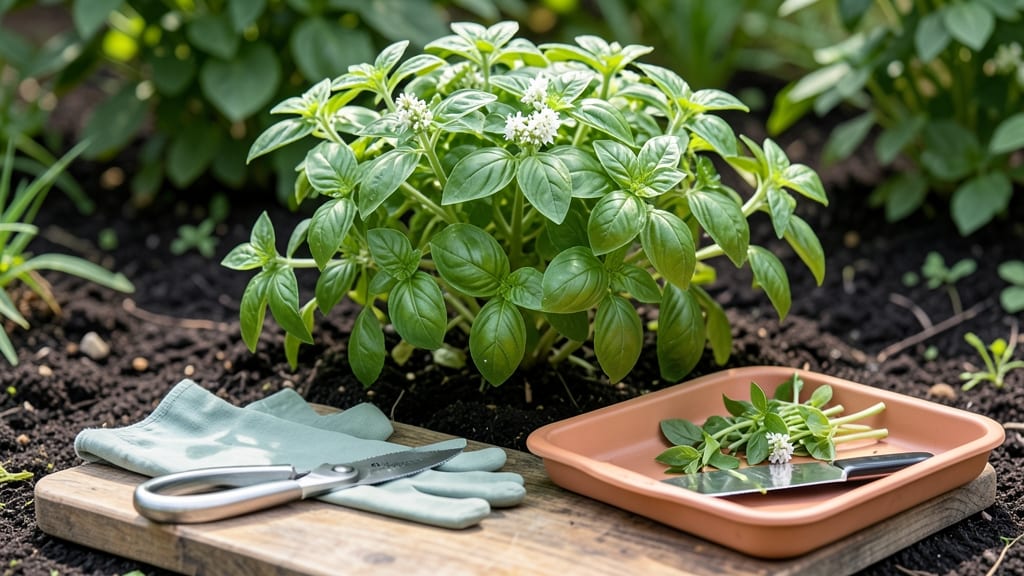
To harvest basil at its peak flavor, you need to know the 3-stage pinch test that keeps your 🌿 thriving and your kitchen bursting with freshness.
Fresh basil isn’t just a kitchen staple—it’s a flavor powerhouse, and knowing when and how to harvest it can transform your garden’s productivity and your cooking game. But timing is everything: harvest too early, and you’ll miss the sweetest leaves; too late, and the plant bolts or loses potency.
In this guide, I’ll walk you through the exact stages to look for—from seedling to full maturity—so you never waste a harvest. You’ll also learn the proper cutting technique to encourage bushier growth, plus how to store your bounty so it stays vibrant for weeks.
Ready to turn your basil into a year-round harvest machine? Let’s dive into the secrets of a flavorful, productive plant that keeps giving.

The 3-Stage pinch test: when to harvest basil for maximum flavor
Harvesting basil at the right time is like catching a wave—timing makes all the difference between mild, bitter leaves and bursting, aromatic flavor. The key lies in understanding basil’s three distinct growth stages, each with its own visual cues and ideal harvest window.
Whether you're growing Genovese, Thai, or Sweet basil, these stages ensure you’re always picking at peak freshness.
I’ve learned through years of gardening that harvesting too early means sacrificing flavor, while waiting too long leads to woody stems and bitter compounds. The 3-Stage Pinch Test simplifies this process by breaking down exactly what to look for at each phase—from seedling sprouts to flowering maturity.
Master these stages, and you’ll enjoy a continuous supply of sweet, tender leaves all season long.
- 🌱 Stage 1: Seedling (0-30 days)
Harvest: Never—focus on removing damaged leaves only. - 🌿 Stage 2: Early Growth (30-45 days)
Harvest: Pinch top leaves when 2-3 inches long and plant has 4-6 true leaves. - 🌸 Stage 3: Peak Maturity (45-60 days)
Harvest: Cut stems just above leaf nodes when leaves are dark green and fragrant. - ⚠️ Critical Stop Point
Stop harvesting when flower buds appear—this triggers bitterness and woody stems.
The first stage is all about patience and protection. During the seedling phase (0-30 days), your basil is still establishing roots and leaves. This is when you should avoid any harvesting—even a single pinch can stunt growth.
Instead, focus on removing only yellow or damaged leaves to keep the plant healthy. Think of this as the foundation-building period, where every leaf counts toward future harvests.
By 30-45 days, your basil enters Stage 2: Early Growth, marked by 4-6 true leaves and stems reaching 4-6 inches tall. This is when the real fun begins!
The pinch test comes into play here: gently pinch off the top set of leaves when they’re 2-3 inches long. This encourages the plant to branch out, creating a bushier, more productive plant. Pro tip: Always use clean, sharp scissors or your fingers to avoid tearing stems.
At this stage, the aroma test is your best friend. Crush a leaf between your fingers—if it releases a bright, sweet scent, it’s ready for harvest. If it smells mild or grassy, wait a few more days.
The goal is to harvest before flowering, as soon as the leaves reach their ideal size and flavor. This ensures you’re always getting the tenderest, most flavorful leaves possible.
Stage 3, or Peak Maturity (45-60 days), is where basil hits its flavor zenith. Your plants should now be 12-18 inches tall, with dark green, glossy leaves that are highly aromatic.
This is the golden window for harvesting—cut stems just above a leaf node (the point where leaves grow out) using clean pruning shears. This method stimulates new growth and keeps your basil productive for weeks longer.
Here’s a visual cue I swear by: if your basil’s leaves are 2-3 inches long, dark green, and firm to the touch, it’s time to harvest. Avoid cutting into woody stems, as these indicate the plant is past its prime.
A good rule of thumb is to never remove more than 1/3 of the plant in a single harvest—this prevents stress and ensures continuous regrowth.
One common mistake I see is harvesting too late, which leads to bitter, tough leaves. If you notice flower buds forming, it’s a clear sign to stop harvesting immediately.
Those buds trigger the production of coumarin, a compound that makes basil taste soapy or bitter. To prevent this, prune flower stalks as soon as they appear—this redirects the plant’s energy back into leaf production.
For continuous harvests, repeat the pinch test every 2-3 weeks during the growing season. This keeps your basil compact, bushy, and productive from June through September.
In Zone 6 climates, you can even extend the season by harvesting leaves before the first frost and bringing potted plants indoors for winter regrowth. With this method, you’ll enjoy homegrown basil for nearly half the year!
Remember, the 3-Stage Pinch Test isn’t just about timing—it’s about respecting your plant’s growth cycle. By following these stages, you’ll maximize flavor, encourage bushier growth, and avoid common harvesting mistakes that can ruin your crop. Happy pinching—and enjoy that fresh, garden-fresh basil flavor all season long! 🌿
Step-by-step guide to harvesting basil without damaging the plant
Harvesting basil correctly is the secret to a thriving plant that keeps producing flavorful leaves all season long. Unlike many herbs, basil responds beautifully to proper pruning, which encourages bushier growth and prevents leggy, woody stems.
The key is using the right pinching technique—and timing it perfectly to maintain that signature sweet aroma.
I’ve found that most gardeners make one of two mistakes: either they harvest too little (letting the plant bolt) or too much (stressing the plant). The solution? A balanced approach that combines selective cutting with regular maintenance.
Below, I’ll walk you through the exact steps I use to keep my basil plants lush, productive, and ready for continuous harvests.
How to Harvest Basil Like a Pro
-
Step 1: Choose the Right Time
Harvest in the morning after the dew has dried (between 8-10 AM). This ensures leaves are dry and flavorful, not wilted from midday heat.
-
Step 2: Identify the Perfect Stem
Look for stems with 4-6 true leaves (not seedling leaves). Cut just above a leaf node (the point where leaves meet the stem) to encourage new growth.
-
Step 3: Use Clean, Sharp Tools
Use bypass pruners or clean scissors (sterilized with rubbing alcohol). Avoid tearing leaves—this invites disease and weakens the plant.
-
Step 4: Pinch, Don’t Shear
Instead of snipping individual leaves, cut the stem just above a set of leaves. This stimulates branching and prevents leggy growth.
-
Step 5: Harvest Flowers (But Not Too Early!)
If your basil bolts (sends up flowers), snip the flower buds off before they open. This redirects energy to leaf production instead of seed-making.
-
Step 6: Space Out Harvests
Harvest every 2-3 weeks to maintain a compact, bushy shape. Over-harvesting weakens the plant, while under-harvesting leads to bitter, woody stems.
-
Step 7: Store or Use Immediately
Rinse leaves in cool water, pat dry, and store in a paper towel-lined container in the fridge for up to 5 days. For long-term use, freeze in oil or dry.
One of my favorite tricks to encourage bushier growth is to pinch the top set of leaves when the plant reaches about 6 inches tall.
This might seem counterintuitive—why remove leaves if you want more?—but it forces the plant to branch out, resulting in double the harvest later in the season.
Remember, basil is an annual in most climates, so the more you prune and harvest early in the season, the more you’ll reward yourself with continuous fresh leaves until the first frost.
And if your plant starts to bolt (flower) too early, don’t panic—just harvest the leaves and enjoy them before the flavor turns bitter.
With these steps, you’ll enjoy a bountiful basil harvest all summer long, with minimal effort and maximum flavor. Happy harvesting! 🌿✂️