
How To
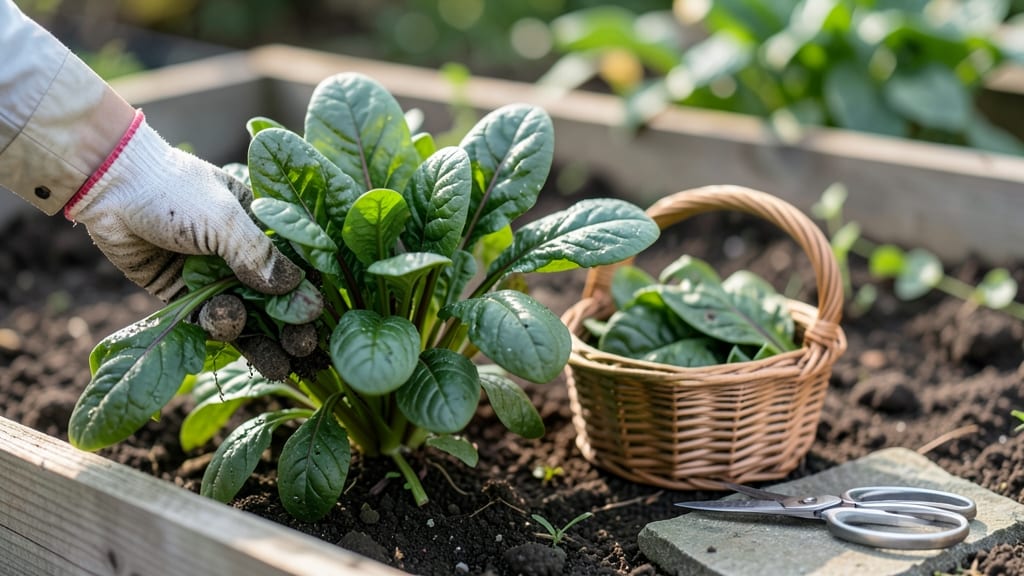
You can harvest spinach up to 6+ times in a single growing season using the cut-and-come-again method — a game-changer for gardeners who love fresh greens without replanting.
Picture this: instead of pulling up your entire spinach patch after one harvest, you simply snip the outer leaves, leaving the inner growth intact. That’s how you stretch your crop from spring to fall, saving time and space.
But timing and technique matter — harvest too much at once, and you’ll stunt regrowth.
This method works best with baby leaf varieties like 'Baby’s Leaf Hybrid' or 'Tyee,' which bounce back faster than mature types.
In Zone 6a, you’ll get the most harvests when you plant in early spring and again in late summer, spacing rows 12 inches apart for optimal airflow and sunlight.
Below, I’ll walk you through the exact steps to maximize regrowth, including when to stop harvesting before frost and how to keep your soil fed for tender, productive spinach all season long.

The cut-and-come-again method: how many times you can harvest spinach
Spinach thrives on regrowth when harvested correctly, and with the cut-and-come-again method, you can enjoy 6+ harvests per season from a single planting. This technique relies on removing only the outer leaves while leaving the inner growth point intact, allowing the plant to regenerate.
The key is balance—harvest too much, and you stunt future growth; too little, and you miss out on maximizing yield.
Most gardeners achieve 4-6 harvests using this method, but with optimal conditions—rich soil, consistent moisture, and proper spacing—you can stretch that to 8+ harvests over 4-6 months.
The secret lies in understanding spinach’s growth cycle and timing your cuts to avoid stressing the plant. Let’s break down the science and steps to unlock your spinach’s full potential.
- 1
- 2
- 3
- 4
- 5
Harvest outer leaves (3-4 inches long) when plants reach 4-6 inches tall (typically 30-45 days after planting). Leave inner leaves (2-3 inches) to regrow.
New leaves sprout in 7-10 days if soil stays moist and fertile. Avoid cutting more than 1/3 of the plant per harvest to prevent shock.
Harvest every 2-3 weeks in spring/fall. Slow to every 4 weeks in summer heat to avoid bolting (flowering).
Stop harvesting 4-6 weeks before first frost (late fall) to harden off plants. In warm climates, fall/winter harvests can extend to 10+ cuts with row covers.
Spring crops: 6-8 harvests | Fall crops: 4-6 harvests | Year-round (tropics): 10-12+ harvests with proper care.
The cut-and-come-again method works because spinach grows from a basal rosette, meaning new leaves emerge from the center. When you snip the outer leaves, the plant redirects energy to replenish its core. Think of it like trimming a hedge—you’re encouraging denser, bushier growth over time.
For best results, use sharp scissors or pruning shears to make clean cuts just above a leaf node (where leaves attach to the stem).
Timing is everything. In cool seasons (spring/fall), spinach regrows quickly, allowing biweekly harvests. But during hot summers, growth slows, and you’ll need to space harvests 3-4 weeks apart to avoid stress.
Always check for tender new leaves before cutting—if they’re still small, wait another week. Patience here prevents bitter or tough leaves later.
Soil nutrition plays a critical role in spinach’s regrowth ability. Before planting, amend your soil with compost or aged manure to provide nitrogen and organic matter. During the season, side-dress with a balanced fertilizer (10-10-10) every 4-6 weeks to support leafy growth.
Over-fertilizing with nitrogen can lead to leafy but weak plants, so always pair feeding with adequate watering to prevent nutrient burn.
One common mistake that limits harvests is overcrowding. Spinach needs 4-6 inches of spacing between plants to thrive. If plants are too close, they compete for light and nutrients, leading to smaller leaves and slower regrowth.
Thin seedlings early to avoid this issue. Additionally, uneven watering can cause stress—spinach roots are shallow, so consistent moisture (about 1 inch per week) is non-negotiable for optimal regrowth.
For extended harvests beyond 6 cuts, consider succession planting. Sow new seeds every 2-3 weeks in early spring or late summer to ensure a continuous supply. This way, while your first planting undergoes its final harvests, the next batch is already ready to take over.
In USDA Zone 6a, this strategy lets you enjoy spinach from April through October with minimal gaps.
Finally, watch for bolting
Step-by-step guide to maximizing spinach regrowth after harvesting
Harvesting spinach correctly is the secret to enjoying 6+ harvests per season without replanting. The key lies in protecting the spinach crown—the base where new leaves grow—while removing only the outer leaves.
This cut-and-come-again method ensures your spinach keeps producing tender greens for months, provided you follow the right steps.
After harvesting, your spinach needs immediate care to bounce back quickly. Focus on soil nutrition, consistent moisture, and avoiding over-harvesting. With these techniques, even cool-season varieties like Baby's Leaf Hybrid or Bloomsdale Long Standing can regrow vigorously. Let’s break down the exact steps to maximize your yield.
Step-by-Step Guide to Spinach Regrowth
-
Step 1: Harvest Outer Leaves Only
Use clean pruning shears to snip leaves 2-3 inches above the crown. Avoid cutting into the center—this ensures the plant keeps growing. -
Step 2: Leave the Crown Intact
The spinach crown (base) must stay undamaged. Remove no more than one-third of the plant at a time to avoid stress. -
Step 3: Water Immediately After Harvest
Give your spinach 1 inch of water (about 250ml per plant) to help it recover. Water in the morning to prevent fungal issues. -
Step 4: Fertilize for Regrowth
Apply a balanced fertilizer (10-10-10) at half-strength 2-3 days post-harvest. Focus on nitrogen to encourage leafy growth. -
Step 5: Mulch to Retain Moisture
Spread 2 inches of mulch (straw or compost) around the base to lock in moisture and suppress weeds. This keeps roots cool and hydrated. -
Step 6: Monitor for Pests
Check for aphids or slugs weekly. Use neem oil or row covers if pests appear—they can stunt regrowth. -
Step 7: Stop Harvesting Before Frost
Once temperatures drop below 20°F (-7°C), halt harvesting. Spinach becomes bolting-resistant in cold but needs protection for winter hardiness.
For spring-planted spinach, you can typically harvest every 2-3 weeks for 6-8 weeks. In fall, extend this to 8-10 weeks if you start planting in late summer. The key is consistency—never let the soil dry out completely, and always prioritize the crown’s health over quantity.
Pro tip: If your spinach starts to bolt (send up flowers), it’s time to pull it. Bolting means the plant is shifting energy to seeds, reducing leaf production. This often happens with heat stress or long daylight, so choose shade-tolerant varieties like 'Tyee' for hotter climates.
With these steps, you’ll turn your spinach patch into a continuous greens machine, cutting costs and waste while enjoying homegrown goodness all season. Happy harvesting! 🥬