
How To
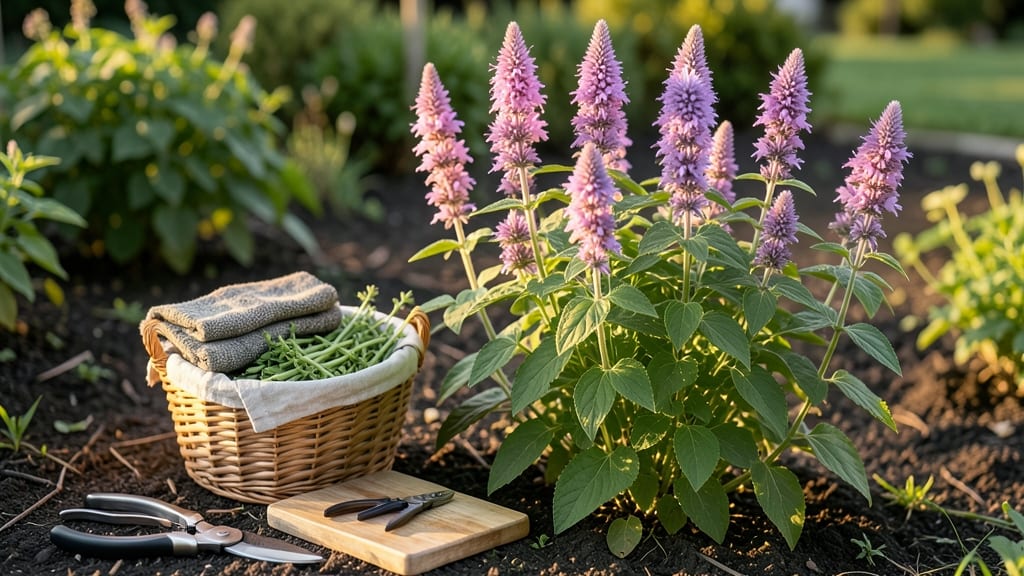
To harvest bee balm 🐝 at its peak, time your cuts with fully open blooms and firm stems for the best flavor, fragrance, and vase life.
Picture this: you’ve spent months nurturing your bee balm, and now the vibrant blooms are ready to pick—but one wrong snip can ruin the plant or the harvest.
The secret to getting long-lasting flowers (whether for bouquets, tea, or drying) lies in knowing when to cut and how to do it without shocking your plant.
Harvesting at the right stage—just as flowers fully unfurl but before they fade—preserves their color and scent. And with the right tools and technique, you can encourage your bee balm to rebound with even more blooms, turning a single harvest into a season of abundance.
Below, I’ll walk you through the best times to harvest, the sharpest cutting methods for maximum longevity, and how to keep your bee balm thriving so you can enjoy its beauty (and benefits) all summer long.

Best time to harvest bee balm for maximum blooms and longevity
Timing your bee balm harvest correctly ensures you get vibrant, long-lasting blooms while keeping your plant healthy. The ideal harvest window depends on bloom stage, seasonal timing, and even weather conditions. Harvesting too early or too late can reduce flower quality and stress your plant.
For peak flavor and fragrance, harvest bee balm flowers when they’re fully open but before they fade. This usually occurs mid-morning after dew has dried but before the heat of the day. Morning harvests also help preserve moisture in your bouquets or dried arrangements.
Seasonally, June through September is prime harvest time for most USDA Zone 6a regions. In warmer climates, you may extend harvesting into early October. Avoid harvesting during extreme heat or humidity, as this can cause flowers to wilt quickly.
Never harvest more than one-third of the blooms from a single plant at once. This prevents overstressing your bee balm and ensures it continues producing flowers throughout the season. Always use clean, sharp pruners to make clean cuts just above a leaf node.
| Harvest Stage | Best Time | Seasonal Window | Weather Conditions |
|---|---|---|---|
| Bud Stage | Avoid | N/A | Flowers not yet open |
| Fully Open Blooms | Morning (6-9 AM) | June-September | Dry, cool conditions |
| Fading Blooms | Avoid | Late summer | Reduced fragrance |
| Post-Bloom | Prune stems | Fall | Prevents seed heads |
| Winter Dormancy | No harvest | October-April | Plant is dormant |
If you’re harvesting for dried arrangements or tea, pick flowers when they’re fully open but still firm. For fresh bouquets, choose stems with 3-4 open blooms and remove any buds that haven’t opened yet. This ensures your bouquet stays vibrant longer.
Evening harvests should be avoided unless absolutely necessary, as flowers harvested later in the day may wilt faster. If you must harvest in the evening, place stems immediately in cool water to extend their vase life.
After harvesting, always sterilize your pruners with rubbing alcohol to prevent the spread of disease. Remove any dead or diseased stems from the plant immediately to maintain its health and encourage new growth.
For continuous blooming, space out your harvests every 2-3 weeks during peak season. This gives your bee balm time to recover and produce fresh flowers. Avoid harvesting leaves unless you’re using them for culinary or medicinal purposes, as this can reduce the plant’s energy for flowering.
Remember, bee balm thrives on attention. The more you harvest responsibly, the more it rewards you with vibrant, long-lasting blooms that attract pollinators and brighten your garden all season long. 🌸
Step-by-step stem-cutting techniques for long-lasting bee balm flowers
Harvesting bee balm 🌸 with precision ensures your bouquets last longer and your plant stays healthy. The key lies in clean cuts, proper timing, and post-harvest care—all of which I’ll break down below.
Whether you’re cutting stems for fresh arrangements, drying for potpourri, or steeping leaves for tea, these techniques will maximize your yield and vase life.
Start by gathering your tools: a sharp pruning shears or clean garden knife, a bucket of water, and a container for storage. Dull blades crush stems, shortening their lifespan, so always use sharp tools.
Work in the early morning when stems are hydrated and flowers are at their freshest. Avoid harvesting after rain or in the heat of the day, as this can stress the plant and reduce bloom quality.
How to Harvest Bee Balm for Maximum Longevity
- 1 Identify the right blooms: Harvest flowers when fully open but before they fade. Look for vibrant color and upright stems—these are your best candidates for long-lasting cuts.
- 2 Make a clean diagonal cut: Angle your cut 45 degrees about 2 inches below the flower cluster. This increases the stem’s surface area for water absorption, keeping blooms fresh longer. Avoid cutting too close to the base to prevent damaging the plant.
- 3 Immediately submerge stems: Place cut stems in a bucket of cool water within 30 minutes of harvesting. This prevents air bubbles from blocking the stem’s vascular system, which can cause wilting. Change the water every 24 hours for freshness.
- 4 Strip lower leaves: Remove lower foliage from the stems to reduce bacterial growth in vase water. Leave the upper leaves intact to support the flowers. Use a clean, sharp knife to avoid tearing the stems.
- 5 Revive wilted stems: If stems arrive wilted, place them in lukewarm water with a splash of floral preservative (or 1 tsp sugar + 2 drops bleach per quart of water). Trim 1/2 inch from the base and let them soak for 1-2 hours before arranging.
- 6 Dry for potpourri or tea: Bundle stems and hang them upside down in a dark, dry place for 1-2 weeks. Once fully dry, remove flowers and leaves for potpourri or crush leaves for herbal tea. Store in an airtight container away from sunlight.
For longer vase life, add a commercial floral preservative or a homemade mix of 1 part bleach + 2 parts sugar to your vase water. This slows bacterial growth and keeps stems hydrated.
Change the water every 2-3 days and trim stems by 1/2 inch each time to encourage fresh water uptake.
If you’re drying bee balm for culinary or medicinal uses, harvest leaves when they’re young and tender—just before flowering begins. Dry them in a single layer on a screen or mesh in a well-ventilated area for 1-2 weeks.
Store dried leaves in a glass jar away from light to preserve their flavor and aroma.
Never harvest more than one-third of the plant at once, or you’ll stunt its growth. Bee balm is resilient, but over-harvesting can lead to leggy stems or reduced blooms next season.
With these techniques, you’ll enjoy vibrant bouquets, fragrant potpourri, and a thriving bee balm patch all summer long. 🌿