
How To
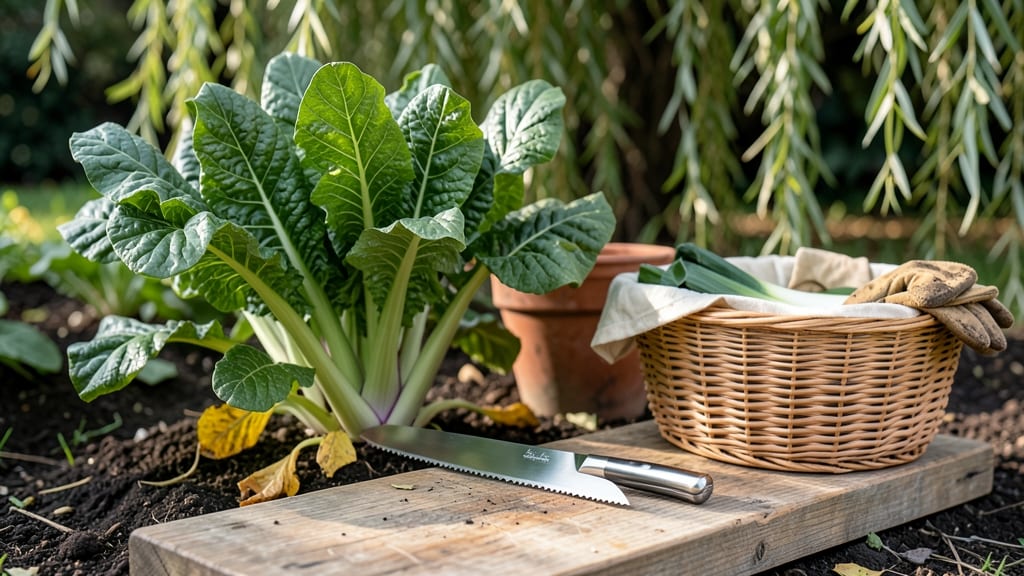
To harvest bok choi properly means you can enjoy continuous yields all season long—no single harvest required.
This fast-growing green 🥬 thrives on the right timing and technique, so missing the window means bitter leaves or wasted plants. The key? Cutting at the right size and angle to encourage regrowth, which turns a one-time harvest into a steady supply.
You’ll learn exactly when to pick your bok choi—45-60 days after planting—and how to use the cut-and-come-again method to keep your plants producing. No more guessing whether you’re harvesting too early or too late.
From the tools you’ll need to storing your fresh greens, this guide covers everything to maximize your garden’s potential without sacrificing taste or texture.

When and how to harvest bok choi for maximum yield
Bok choi thrives as a cut-and-come-again crop, meaning you can harvest its leaves repeatedly while encouraging new growth. The key to maximizing your yield lies in timing your harvests correctly and using the right cutting techniques.
Unlike other greens, bok choi rewards patience—harvesting too early or too late can reduce both quantity and quality. I’ve found that mastering this balance transforms a single harvest into a season-long supply of crisp, flavorful greens.
For optimal results, aim to harvest bok choi when the outer leaves reach 6-8 inches tall and the stems are about 10-12 inches long. This size ensures the leaves are fully tender but haven’t become fibrous or bitter.
Waiting too long risks the plant bolting (flowering prematurely), which ruins its delicate texture. In my experience, harvesting at this stage keeps the plant productive for 6-8 weeks with proper care.
Here’s the secret to continuous harvests: always leave the inner leaves and growing point intact. Bok choi regrows from its center, so cutting only the outer leaves allows the plant to recover quickly.
I’ve seen gardeners double their yield by following this method—it’s all about balance. Now, let’s break down the exact steps and timing to ensure you get the most from your plants.
| Stage | Key Visual Cues | Harvest Technique | Regrowth Time |
|---|---|---|---|
| Early Harvest | Leaves 4-6" tall, stems thin | Snip outer leaves only, leave center | 7-10 days |
| Ideal Harvest | Leaves 6-8" tall, stems 10-12" | Cut 1/3 of outer leaves at base | 10-14 days |
| Late Harvest | Leaves >8", stems woody | Harvest entire plant or risk bolting | N/A (plant declines) |
| Seasonal Note | Spring/Fall | Prioritize morning harvests | Faster regrowth in cool weather |
Seasonal timing plays a crucial role in bok choi’s harvest success. In spring and fall, when temperatures are mild, bok choi regrows faster—sometimes in as little as 7-10 days after a harvest.
However, during hot summer months, growth slows, and you may need to space harvests 2-3 weeks apart. I’ve noticed that bok choi grown in partial shade during summer heat stays more productive, so don’t hesitate to provide afternoon shade if your climate gets scorching.
When harvesting, always use a sharp pair of scissors or pruning shears to avoid crushing the stems. Cut just above the soil line for outer leaves or make a clean diagonal cut for larger harvests.
I’ve made the mistake of using dull tools, which leaves ragged cuts that invite pests and disease. A quick sharpening or clean snip makes all the difference in keeping your plants healthy and productive.
One common question I hear is whether to harvest the entire plant at once. The answer is no—never harvest the whole head unless you’re ready to say goodbye to that plant. Bok choi’s regrowth relies on the central growing point, so always preserve it.
If you accidentally cut too much, don’t panic—just keep the soil moist and fertilize lightly to encourage new growth from the base.
After harvesting, bok choi needs immediate post-harvest care to bounce back. Water the soil thoroughly to replace lost moisture, and consider adding a balanced fertilizer (like 5-10-10) to support regrowth.
I’ve found that mulching around the base helps retain moisture and keeps weeds at bay, which is especially helpful in dry spells. With the right care, a single bok choi plant can provide multiple harvests over its lifespan.
Finally, store harvested bok choi properly to maintain its crispness. Wrap the leaves loosely in a damp paper towel and place them in a perforated plastic bag in the fridge.
This method keeps them fresh for 5-7 days, giving you time to enjoy your harvest or use them in recipes. The key is to avoid overcrowding in storage, as excess moisture can lead to rot.
With these techniques, you’ll transform your bok choi patch into a continuous green machine, yielding fresh greens for salads, stir-fries, or steaming all season long. The satisfaction of watching your plants regrow after each harvest is unmatched—it’s like having a never-ending garden snack! 🥬
Step-by-step guide to bok choi regrowth after harvesting
After harvesting your bok choi, don’t toss the plant—it can regrow and produce multiple harvests if cared for properly. The key lies in post-harvest care, which includes proper cutting techniques, soil nutrition, and consistent watering to prevent bolting and encourage tender new growth.
Bok choi thrives on cut-and-come-again harvesting, but regrowth requires attention to detail. If you cut too close to the base or neglect soil health, your plant may struggle to recover. Follow these steps to maximize regrowth and enjoy a steady supply of fresh greens all season.
How to Encourage Bok Choi Regrowth
- 1. Cut at the right height: Leave 1-2 inches of stem above the soil to allow new leaves to emerge from the base.
- 2. Fertilize lightly: Apply a balanced fertilizer (5-10-10) 2-3 days after harvesting to replenish nutrients lost during cutting.
- 3. Water deeply: Soak the soil to 12 inches deep to encourage root recovery and prevent stress.
- 4. Mulch around the base: Use straw or compost to retain moisture and protect roots from temperature fluctuations.
- 5. Thin new growth: Remove 2-3 outer leaves when regrowth reaches 4-6 inches to encourage bushier growth.
- 6. Monitor for pests: Check for aphids or cabbage worms and treat with neem oil if needed to avoid stressing the plant.
Once you’ve cut your bok choi, the next 48 hours are critical for regrowth. Focus on keeping the soil moist but not waterlogged, as soggy conditions can lead to root rot.
A drip irrigation system or soaker hose works best to deliver water directly to the roots without wetting the leaves.
After regrowth reaches 4-6 inches, you can harvest again using the same method. Repeat this process every 2-3 weeks for a continuous supply. If your bok choi starts to bolt (send up flower stalks), it’s time to harvest the entire plant before the leaves turn bitter.
For best results, avoid harvesting in extreme heat or cold, as these conditions stress the plant and slow regrowth. Instead, aim for mild temperatures (60-75°F) and partial shade during peak afternoon hours to keep your bok choi thriving.
With the right care, your bok choi can produce 3-4 harvests per season, making it one of the most rewarding greens to grow. The secret? Paying attention to the plant’s needs after each cut and giving it the support it needs to bounce back stronger than before.