
How To
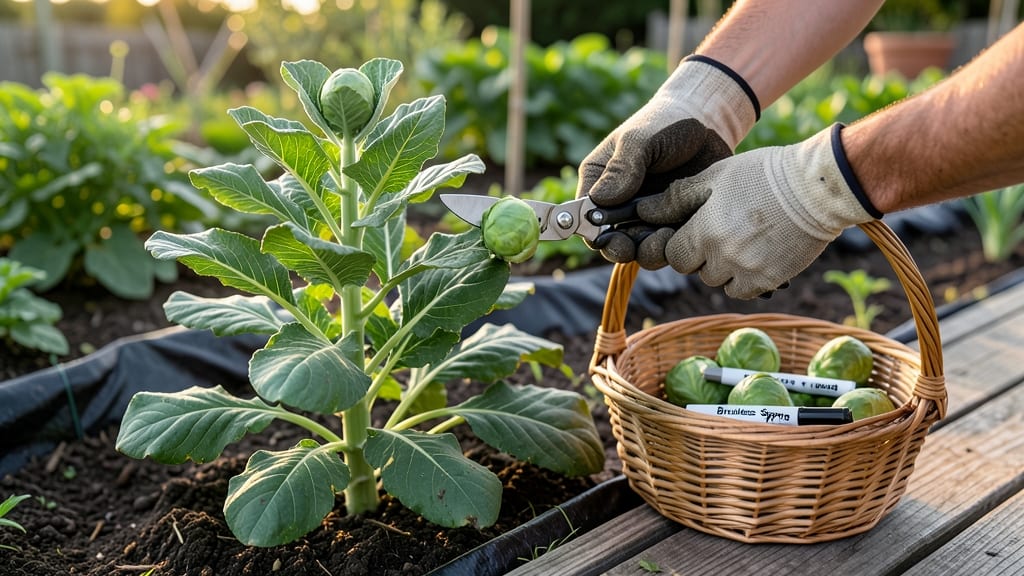
Harvesting Brussel sprouts 🥦 at the right time means the difference between tender, sweet bites and tough, bitter disappointment.
Picture this: you’ve nurtured your plants all season, and now the moment of truth arrives. One wrong move, and you’ll sacrifice flavor—or worse, lose your entire crop to overgrowth.
But here’s the good news: with the right techniques, you’ll pull sprouts that taste like they came straight from a high-end restaurant.
Below, I’ll walk you through the knuckle test, the three visual cues to spot perfect ripeness, and how to harvest without damaging the plant for future yields. No guesswork, just proven methods for a bountiful fall harvest.
You’ll also learn how often to pick, what tools to use, and how to store your harvest to keep it crisp for weeks. Ready to turn your garden into a flavor powerhouse?

The knuckle test & 3 visual cues to harvest Brussel sprouts at peak ripeness
Brussel sprouts reach their peak flavor when harvested at the right moment, but many gardeners struggle to identify that perfect window. The knuckle test and visual cues like stem color and leaf signals are your secret weapons for restaurant-quality harvests.
Overlook these signs, and you’ll end up with bitter, woody sprouts or miss out on maximum yield.
Start by focusing on the size of the sprouts. The ideal harvest size is 1 to 1.5 inches in diameter. Smaller than that, and they’ll be too tough; larger, and they’ll become bitter.
This is where the knuckle test comes in—gently press a sprout between your thumb and forefinger. If it feels firm but yields slightly, it’s ready to pick.
Next, examine the stem color. Most varieties develop a deep green hue when ripe, though some like 'Purple Sprout' turn purple-brown. Look for a uniform color—uneven shades mean uneven ripeness. A light frost can also enhance sweetness, so if temperatures dip, check your plants sooner.
Don’t ignore the lower leaves! Yellowing or dying foliage at the base signals that the plant is redirecting energy to the sprouts. If the leaves are still vibrant green, the sprouts need more time. Conversely, if the leaves are completely brown and crispy, you’ve waited too long.
| Cue | What to Look For | Action |
|---|---|---|
| Knuckle Test | Firm but slightly yielding sprout | Harvest immediately |
| Sprout Size | 1–1.5 inches in diameter | Pick from bottom up |
| Stem Color | Deep green or purple-brown | Harvest when uniform |
| Lower Leaves | Yellowing or dying | Prioritize these sprouts |
Harvesting from the bottom up is key to encouraging more sprouts to form. Use a sharp knife or pruners to cut the stem just above the sprout, leaving about ½ inch of stem attached.
This prevents damage to the plant and allows for continued growth. Avoid pulling sprouts by hand, as this can tear the stem and invite pests.
Timing matters too. In fall, harvest every 2–3 days as sprouts ripen. In winter**, slow down to once a week, especially after frost. A light freeze actually sweetens the flavor, so don’t rush to pick them too soon.
Store harvested sprouts in the fridge for up to 1 week in a perforated bag to maintain crispness.
Watch for over-maturity signs like woody texture or yellowing sprouts. These won’t improve with cooking—they’ll just taste bitter. Equally problematic is harvesting too early, which results in small, underdeveloped sprouts. Balance is everything: aim for 1–1.5 inches and the right color, and you’ll nail it every time.
Pro tip: If your plant is still producing after the first frost, consider covering it with row fabric to extend the season. This protects sprouts from harsh cold while letting them mature slowly. Just remove the cover during the day to prevent moisture buildup and fungal issues.
With these cues mastered, you’ll transform your brussel sprout harvest from meh to magnificent. Sweet, tender, and packed with flavor—every bite will be a testament to your gardening skills. Happy harvesting! 🥦✂️
When and how often to harvest for maximum yield: a season-long strategy
Timing your Brussel sprout harvest is an art—harvest too soon, and you’ll get tiny, underdeveloped sprouts. Wait too long, and they’ll turn bitter or woody. The key is a season-long approach that balances frequency, technique, and storage to keep your plants productive until the first frost.
In fall, when days grow shorter, you’ll harvest more frequently, while winter varieties may stretch your season even longer.
Start harvesting when your Brussel sprouts are 1-1.5 inches in diameter and the stem color shifts from pale green to deep green or purple, depending on your variety. This usually happens 80-120 days after planting, but cooler fall temps can slow ripening.
The goal? Encourage regrowth by picking from the bottom up, letting the plant focus energy on the remaining sprouts higher up the stem.
🌱 Season-Long Harvesting Strategy
- 🍂 Fall Harvest (Oct-Nov): Pick every 5-7 days as sprouts reach 1-1.5" diameter. Use clean pruners to avoid damaging the stem.
- ❄️ Light Frost Boost: A light frost (28-32°F) sweetens flavor. Harvest before hard frost (below 25°F) to prevent damage.
- ⏳ Winter Extension: For winter-hardy varieties, harvest every 7-10 days until stems become woody or leaves yellow fully.
- 🔄 Regrowth Trick: Cut ½ inch above a sprout to encourage new growth from lower buds. Stop when stem diameter shrinks.
- 🥦 Storage Hack: Store harvested sprouts in perforated bags in the fridge for 2-3 weeks to maintain crispness.
Your harvesting tools matter—sharp pruners are best for thick stems, while your hands work for smaller sprouts. Always sterilize tools with rubbing alcohol between plants to prevent disease.
For large yields, harvest in the morning when temps are coolest, and sprouts are firmest. Avoid harvesting after rain, as moisture can bruise them during picking.
To maximize yield, space your harvests evenly. If you pick too aggressively, the plant may stop producing. Conversely, leaving sprouts too long on the stem reduces quality.
Aim to harvest about 50% of the plant by mid-fall, then taper off as winter approaches. This balance ensures both quantity and quality throughout the season.
After harvesting, store sprouts properly to extend their shelf life. Trim any yellowed leaves and place them in a paper towel-lined container in the crisper drawer. For long-term storage, blanch and freeze them—this preserves texture and flavor for up to 12 months.
If you’re not using them immediately, a root cellar or garage (if temps stay above freezing) works well for 2-3 weeks of freshness.
Remember, Brussel sprouts are resilient—even if you miss a harvest window, the plant often rebounds. But consistency pays off: a well-managed harvest schedule means sweeter, crisper sprouts and a plant that keeps producing until the ground freezes.
With these tips, you’ll turn your garden into a year-round sprout factory—no green thumb required!