
How To
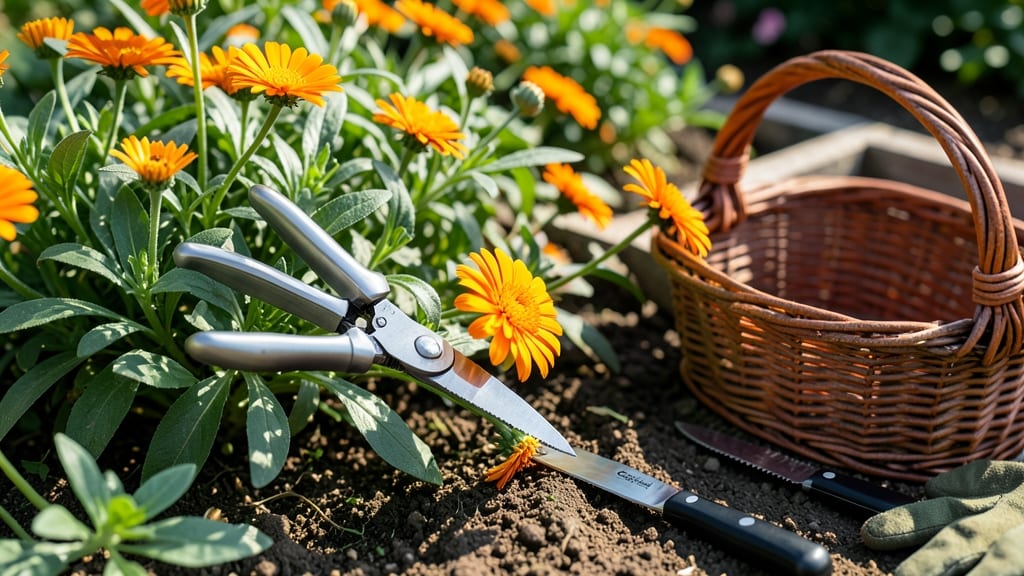
Harvesting calendula for tea at the right time unlocks its full medicinal and flavor potential 🌼—bright petals packed with antioxidants and soothing properties.
Picture this: you’ve spent weeks nurturing your calendula, only to pick the flowers at the wrong stage and end up with a bitter, weak tea. That’s why timing matters more than you might think—harvesting too early or too late can ruin the delicate balance of flavors and benefits.
In this guide, I’ll walk you through the best times to harvest calendula, the tools you’ll need, and how to preserve those vibrant petals for the most flavorful and therapeutic tea.
Whether you’re drying them for later use or brewing fresh, these steps will ensure every cup is packed with the best of what your garden has to offer.
From morning dew to afternoon heat, we’ll cover everything you need to know to maximize your harvest and keep your calendula plants thriving for continuous blooms all season long.

When to harvest calendula flowers for maximum tea potency
Harvesting calendula at the right time ensures your tea is packed with antioxidants and anti-inflammatory compounds. The morning hours are ideal because essential oils are most concentrated after a night's rest. Avoid harvesting after midday heat, as this can reduce potency and flavor.
For the best tea, focus on fully open blooms with vibrant orange-yellow petals. These flowers contain the highest levels of carotenoids and flavonoids, which give calendula tea its healing properties. Harvesting buds too early or wilted flowers too late will compromise both taste and therapeutic benefits.
Seasonal timing also matters. Summer months (June through September) offer the peak harvest window when calendula plants are at their healthiest. Early morning harvests during these months maximize essential oil content, which is crucial for a potent brew.
- 🌞 Pick in the morning (before 10 AM) when dew is still present to preserve essential oils.
- 🌼 Choose fully open blooms with bright petals and a formed cone center.
- 📅 Harvest during summer months (June-September) for peak potency.
- ✂️ Use clean pruning shears to avoid damaging stem tissues.
- 🌧️ Avoid harvesting after rain to prevent mold growth during drying.
The maturity stage of calendula flowers directly impacts tea quality. Fully open blooms contain the highest concentration of bioactive compounds, while buds and partially opened flowers yield a milder tea. If you're harvesting for medicinal use, prioritize flowers that have been open for 24-48 hours.
Seasonal variations play a role too. In cooler climates, calendula may produce fewer flowers in early summer, so focus on harvesting the healthiest blooms first. Conversely, in warmer regions, you'll have a longer harvest window but should still avoid overharvesting to maintain plant health.
Never harvest wilted or damaged flowers, as they can introduce bitterness and fungal contaminants to your tea. Always inspect your harvest for pests or diseased leaves before processing. A quick shake over a clean surface removes debris and ensures only the best petals make it into your tea blend.
For continuous blooming, harvest selective flowers rather than taking everything at once. This encourages your calendula plant to produce more flowers throughout the season. Just remember to leave at least 2-3 healthy leaves per stem to support ongoing growth.
If you're harvesting for dried tea blends, time your harvest just before peak afternoon heat (around 11 AM). This allows flowers to dry naturally without losing potency. Hang them in a well-ventilated, shady area to preserve their vibrant color and medicinal properties.
Proper timing isn't just about flavor—it's about plant health. Overharvesting weakens calendula plants, reducing future yields. Aim to harvest no more than one-third of the blooms at any given time to keep your plants thriving for weeks of tea-making ahead.
By following these harvesting guidelines, you'll ensure every cup of calendula tea is bursting with flavor and therapeutic benefits. Your garden—and your tea—will thank you! 🌼☕
Step-by-step guide to harvesting calendula for tea (with tools & techniques)
Harvesting calendula at the right time ensures your tea stays vibrant and packed with anti-inflammatory compounds. Start by selecting fully open blooms with bright petals—this guarantees maximum potency. I always harvest in the morning after dew dries to preserve essential oils and avoid moisture loss.
Your choice of tools makes a difference. For large batches, pruning shears save time, while clean hands work well for delicate stems. Just ensure blades are sharp to prevent crushing the stems, which can lead to bitter tea flavors.
I keep a small pair of shears in my gardening apron for quick access.
How to Harvest Calendula for Tea
-
Step 1: Choose Mature Blooms
Pick flowers with fully unfurled petals and a cone-shaped center. Avoid buds—they lack the full spectrum of beneficial compounds.
-
Step 2: Use the Right Tools
Use clean pruning shears for stems longer than 6 inches or your fingers for smaller clusters. Always cut 1 inch above the next leaf node to encourage bushier growth.
-
Step 3: Remove Leaves and Debris
Strip off green leaves and stems from the petals immediately after harvesting. This prevents bitterness in your tea and speeds up drying.
-
Step 4: Dry the Petals
Lay petals in a single layer on a screen or mesh tray in a dark, well-ventilated area for 3–5 days. Alternatively, use a dehydrator at 95°F (35°C) for 2–3 hours.
-
Step 5: Store Properly
Once fully dry (crisp and brittle), store petals in airtight glass jars away from light. Label with the harvest date—they retain potency for up to 12 months.
After drying, calendula petals should crumble easily between your fingers. If they’re still flexible, give them another day or two. I store my dried petals in amber glass jars to block light, which can degrade their medicinal properties over time.
For a fresh tea infusion, use petals immediately after harvesting—no drying required. Simply steep 1–2 teaspoons of fresh or dried petals in hot water (195°F/90°C) for 5–10 minutes. The longer you steep, the stronger (and more bitter) the flavor becomes.
Pro tip: Rotate your harvest to avoid over-picking one plant. Leave at least 3–4 mature leaves per stem to ensure continuous blooming. My calendula plants reward this with non-stop flowers from late spring to frost.