
How To
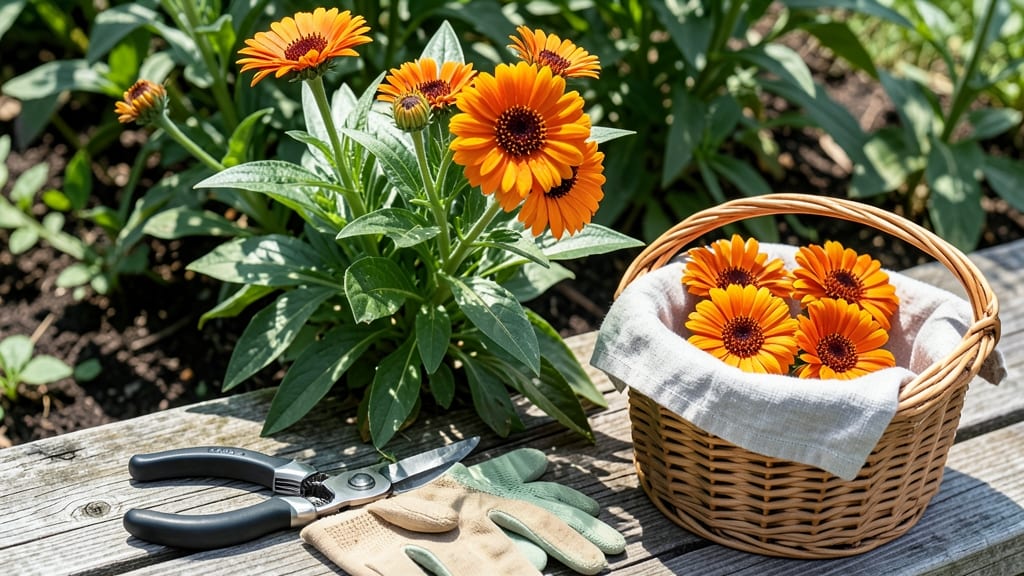
Harvesting calendula at the right stage ensures vibrant petals and viable seeds 🌼 — and skipping these exact steps means losing flavor, potency, or even next year’s plants.
Picture this: you’ve nurtured your calendula all season, only to pick flowers too early or too late. The petals wilt before they’re useful, or the seeds inside never germinate. The difference between a perfect harvest and a wasted one often comes down to timing, technique, and knowing when to stop.
In this guide, I’ll walk you through the ideal stages for harvesting petals (for teas, salves, or cooking) and seeds (for saving or selling), plus how to dry, store, and use them without a single bloom going to waste.
Whether you’re growing calendula for medicinal uses, culinary flavors, or just to brighten your garden, these step-by-step methods will turn your harvest into something truly valuable—no guesswork required.

When to harvest calendula petals for peak flavor & medicinal properties
Harvesting calendula petals at the right moment ensures maximum flavor intensity and medicinal potency. These bright blooms contain carotenoids and anti-inflammatory compounds that peak when flowers are fully mature but still fresh. Picking too early reduces potency, while waiting too long turns petals bitter and reduces their shelf life.
The best time to harvest is when petals are fully open but before the center starts browning. This typically occurs 60-80 days after planting, depending on your climate. Look for vibrant orange or yellow petals with a slight crispness when touched—these are prime for culinary or medicinal use.
Morning harvests yield the freshest petals with the most aromatic oils intact. Avoid harvesting after rain or late in the day, as moisture can dilute potency and encourage mold. Early morning also allows petals to dry more efficiently if you're preparing them for tea, salves, or dried bundles.
Weather plays a critical role—harvest on dry, sunny days with temperatures between 55°F and 75°F. Humidity above 70% can cause petals to wilt quickly, while extreme heat may bleach colors and reduce shelf life. Always check the forecast before harvesting to ensure optimal conditions.
| Harvest Stage | Visual Cues | Best Time | Ideal Use |
|---|---|---|---|
| Early Bloom | Petals partially open, green centers | Avoid harvesting | Low potency |
| Peak Maturity | Fully open, vibrant petals, slight browning in center | Morning, dry days | Tea, salves, fresh garnishes |
| Overripe | Brown petals, wilted appearance | Avoid harvesting | Bitter, reduced potency |
| Seed Stage | Dry centers, seed pods forming | Late afternoon | Seed collection |
To maintain continuous blooming, harvest every 2-3 days during peak season (June-October). Never remove more than one-third of blooms from a single plant at once, as this can stress the plant and reduce future yields. Use clean, sharp scissors to cut stems just above a leaf node, encouraging bushier growth.
For culinary uses, like salads or infused oils, pick petals in the morning when their volatile oils are most concentrated. For medicinal teas or salves, harvest slightly later in the day when anti-inflammatory compounds are at their peak.
Always rinse petals gently in cool water to remove dirt before using.
Overharvesting can weaken your calendula plants, leading to fewer blooms and pale petals. If you notice excessive leaf drop or stunted growth, reduce your harvesting frequency. A healthy plant will reward you with continuous blooms all season long if given proper care and spacing.
After harvesting, lay petals on paper towels in a shady, well-ventilated area to dry for 1-2 hours before using or storing. This prevents moisture buildup and preserves their color and medicinal properties. For long-term storage, dry completely and store in airtight containers away from direct sunlight.
Pro tip: If you’re growing calendula for both petals and seeds, leave a few flowers on the plant to mature fully. The seed pods will form after petals fade, giving you a dual harvest.
Just mark these flowers with a soft tie or flag to avoid accidentally picking them too soon.
Step-by-step guide to harvesting calendula seeds for next year’s garden
Saving calendula seeds is one of the most rewarding parts of growing this versatile plant. Unlike petals, which require precision timing, seeds need patience and the right conditions to ensure high germination rates.
The key lies in identifying the perfect moment when flowers transition from vibrant blooms to mature seed pods—too early, and seeds won’t be viable; too late, and they’ll scatter or lose viability.
Start by leaving 5-10 healthy flowers on each plant to mature fully after you’ve harvested petals. These flowers will develop dry, papery seed pods that resemble tiny green balls.
The best time to harvest seeds is in late summer or early fall, typically 90-110 days after planting, when the pods turn a light brown color and begin to split open naturally. This usually aligns with September-October in most climates.
Watch for these visual cues: the center of the flower will turn from green to brown, and the petals will wither away completely, leaving behind a dry, papery pod. If you miss this stage, seeds may scatter onto the soil, reducing your yield.
To prevent this, cover the seed heads with paper bags or breathable mesh once they’re dry but before they split open.
-
Step 1: Identify Mature Seed Pods
Look for dry, brown seed heads with papery texture. Press gently—if they feel crisp and hollow, they’re ready. -
Step 2: Harvest at Peak Dryness
Cut entire seed heads with 2-3 inches of stem attached using clean scissors. Avoid pulling petals—this can damage the pod. -
Step 3: Dry Seeds Thoroughly
Lay seed heads on paper towels in a dry, shaded area for 1-2 weeks. Stir seeds occasionally to prevent mold. -
Step 4: Remove Seeds from Pods
Once pods are completely dry, crush them gently with your fingers or a mortar and pestle to release seeds. Sift through debris. -
Step 5: Store Seeds Properly
Place seeds in airtight containers with a desiccant packet to absorb moisture. Label with the harvest year and store in a cool, dark place.
Never rush the drying process—moisture is the enemy of seed viability. If seeds feel damp or sticky after drying, spread them out for another week. Properly stored, calendula seeds can remain viable for 2-3 years, though germination rates drop after the first year.
For best results, use seeds within 12 months of harvest.
Avoid these common mistakes: harvesting seeds too early (they won’t germinate), storing them in plastic bags (traps moisture), or exposing them to direct sunlight (reduces viability). If you notice mold or musty smells during storage, discard the seeds immediately—this means they’ve absorbed too much moisture.
For maximum germination, stratify seeds by mixing them with damp sand and refrigerating for 1-2 weeks before planting.
Once your seeds are ready, you’ll have a self-sustaining calendula supply year after year. Plant them in well-draining soil at a depth of 1/4 inch after your last frost date, and watch your garden come alive with vibrant blooms—all from seeds you saved yourself. 🌱