
How To
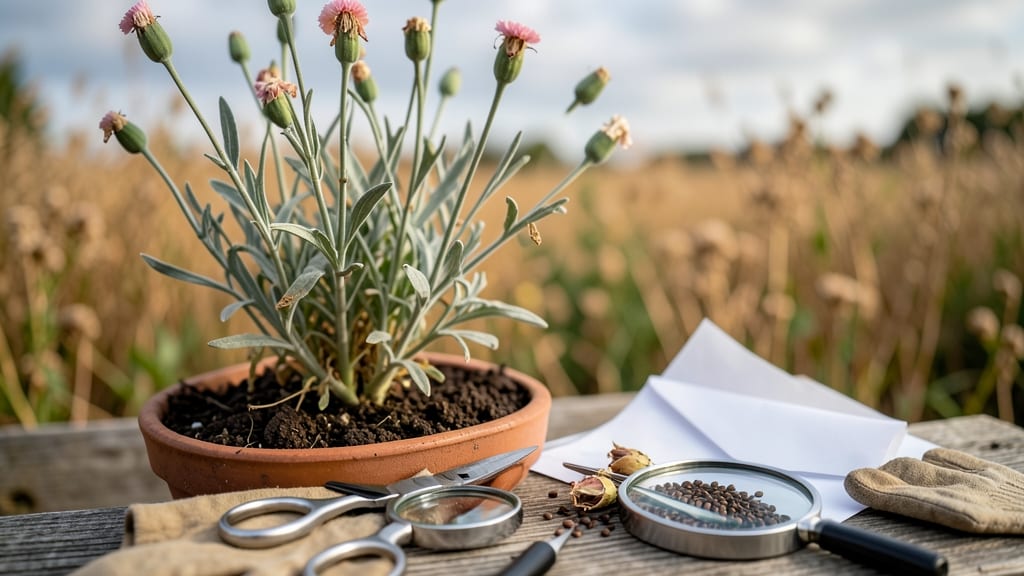
Harvesting carnation seeds at the right time ensures you capture tiny, viable seeds 🌸 before they scatter—here’s exactly how to do it without losing a single one.
Picture this: you’ve nurtured your carnations all season, and now the seed pods are turning brown and popping open. That’s your cue—but miss it, and the wind will carry them away before you can collect them. Timing is everything, and knowing when those pods are ready makes all the difference.
Most gardeners wait until late summer or early fall, when the pods dry out and split naturally. But how do you tell if they’re truly ready? Look for dry, brown pods that rattle with seeds inside—these are your golden ticket for next year’s blooms.
Harvesting too early means immature seeds that won’t sprout, while waiting too long risks losing them entirely.
In this guide, I’ll walk you through every step—from spotting the perfect pods to drying and storing seeds the right way. You’ll learn how to avoid common pitfalls like mold or seed loss, so you can confidently grow new carnations from scratch. Let’s get started!

When to harvest carnation seeds: identifying the perfect pod stage
Harvesting carnation seeds at the right moment ensures you capture viable seeds ready for next season's garden. The key is watching for mature seed pods that signal readiness.
These pods transform from green and firm to brown and dry, often splitting open naturally—a clear sign your seeds are ready for collection.
Timing matters most between late summer and early fall, typically October to November in most USDA zones. This window aligns with carnations' natural lifecycle after flowering. Missing it means seeds scatter, or worse, rot if left too long on the plant.
Environmental factors like temperature and humidity play a role. Cooler, drier weather speeds up pod drying, while high humidity can delay ripening or cause mold. Aim to harvest on dry, sunny days to avoid moisture-related issues.
| Stage | Pod Appearance | Seed Viability | Action |
|---|---|---|---|
| Early (Green) | Firm, green pods | Not viable | Wait 4-6 weeks |
| Mature (Brown) | Dry, brown, splitting | High viability | Harvest immediately |
| Overripe | Empty pods, scattered seeds | Low viability | Discard |
Distinguishing viable seeds from empty pods is simple once you know what to look for. Gently squeeze a mature pod—if seeds rattle inside, they're ready. Empty pods feel hollow and may crumble when touched. Always prioritize pods that split open naturally over those still tightly closed.
Pay attention to the stem attachment too. Mature pods separate easily from the stem, while immature ones stay firmly attached. This physical test saves time and ensures you're only collecting the best seeds for future plantings.
High humidity or sudden rain can trick you into thinking pods are mature when they're not. If pods feel damp or sticky, wait 3-5 more days for them to fully dry. This patience prevents moldy seeds and wasted effort.
Temperature also affects ripening speed. In warmer climates, pods may mature faster, while cooler regions might need extra weeks. Monitor your local weather and adjust your harvest timeline accordingly to avoid missing the window.
Once pods turn completely brown, act quickly. Seeds can lose viability within days if left on the plant. Use clean, dry paper bags or envelopes to collect them immediately after harvest to preserve their quality.
Pro tip: Hang harvested pods upside down in a dry, shaded area for 1-2 weeks to ensure any lingering moisture evaporates. This extra step maximizes seed longevity and germination rates for next season.
Step-by-step guide to collecting carnation seeds without losing them
Once you’ve spotted those brown, dry seed pods ready for harvest, the next challenge is collecting the seeds without losing them to the wind or dropping them accidentally. Carnation seeds are tiny—think 1/8-inch long—so handling them carefully is key.
I’ve learned the hard way that rushing this step can mean wasting months of work, but with the right tools and techniques, you’ll preserve those seeds for 2–3 years of future blooms.
Gather your supplies first: a pair of fine-tip tweezers, small paper envelopes or breathable mesh bags, and a flat surface like a baking sheet. Avoid using your hands directly, as their oils can reduce seed viability.
Work on a dry, sunny day to minimize moisture-related issues, and always wear gloves if you’re sensitive to plant resins.
Here’s how to collect carnation seeds efficiently without a single loss:
One of my biggest mistakes was harvesting seeds on a humid morning—they stuck together like glue, and I lost half before I could dry them properly. Now, I always check the weather forecast and wait for a clear, dry day.
If you’re short on time, you can also shake pods directly into a mesh bag over a tray, but tweezers give you more control for precision.
Pro tip: If you’re saving seeds from heirloom or rare carnations, test a few seeds for viability before storing the rest. Place 10 seeds in a damp paper towel, seal them in a bag, and check for sprouts in 7–10 days.
If fewer than half sprout, your batch may need extra drying time. This simple test saves you from storing non-viable seeds for years.
With these steps, you’ll have a stash of carnation seeds ready to plant next spring—just like starting from scratch, but with the satisfaction of knowing you grew them yourself. Happy harvesting! 🌾