
How To
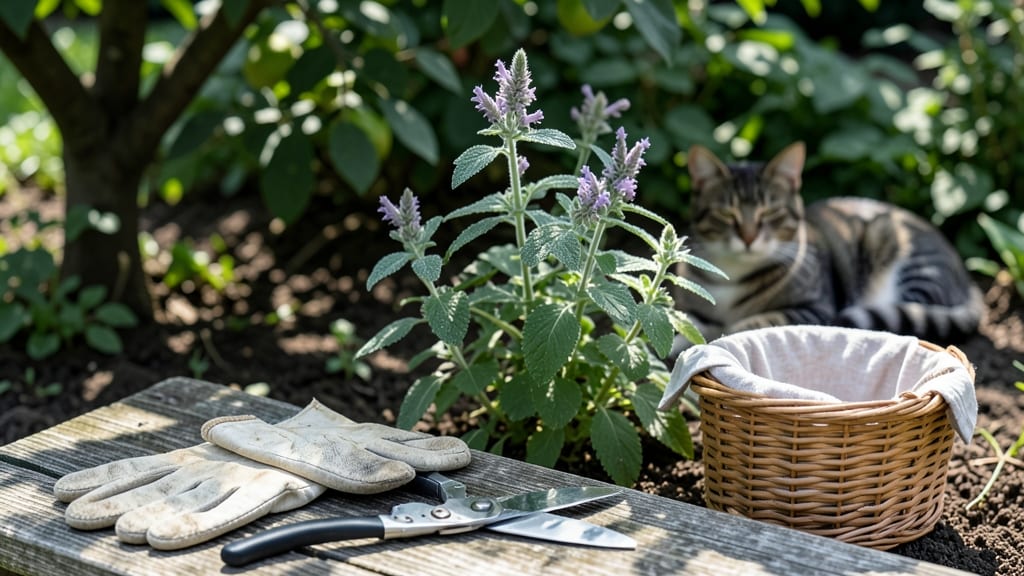
Harvesting catnip for cats at the right time ensures your feline friend gets the most potent, aromatic leaves 🐱 — and skipping this step means weaker effects and wasted effort.
If you’ve ever watched your cat go wild after sniffing a fresh catnip leaf, you know how powerful this plant can be—but harvesting it at the wrong stage can turn those leaves brown and dull before they’re even ready.
Timing is everything: pick the leaves when they’re fully developed but before the plant flowers, and you’ll preserve that signature scent that drives cats crazy.
In this guide, I’ll walk you through the best time to harvest, the tools you’ll need, and how to dry and store your catnip so it stays fresh and effective for months.

When to harvest catnip leaves for maximum potency (and why timing matters)
Harvesting catnip at the wrong time can leave you with weak, browned leaves that lose their potency for your feline friends. The secret lies in timing—specifically, when the leaves are at their peak aroma and nutrient levels.
For the strongest catnip, aim to harvest when the plant is 60 to 90 days old and shows these key signs: dark green, fuzzy leaves and a woody stem. This usually falls between late June and early September in most climates.
If you wait too long, the leaves may turn brown or flower, which reduces their effectiveness. Overharvesting can also stress the plant, leading to premature browning and weaker future harvests. The best time to pick is early morning after the dew has dried but before the heat of the day.
This preserves the oil content that makes catnip irresistible to cats.
Here’s why timing matters: Catnip’s potency comes from nepetalactone, a compound that peaks when leaves are fully mature but before flowering. Harvesting too early means lower potency, while waiting too long lets the plant divert energy to seeds instead of leaves.
Even a 10-day delay can cut the potency by 30%.
| Stage | Leaf Color | Stem Condition | Potency Level | Harvest Tip |
|---|---|---|---|---|
| Early Growth (30-60 days) | Light green | Soft, flexible | Low (not ready) | Avoid harvesting; let leaves mature. |
| Optimal Harvest (60-90 days) | Dark green, fuzzy | Firm, slightly woody | High (peak potency) | Harvest leaves, avoid flowers. |
| Late Stage (90+ days) | Brown or yellowing | Woody, flowering | Low (reduced potency) | Stop harvesting; plant may decline. |
To avoid brown leaves before harvest time, monitor your catnip plant for signs of stress. Overwatering or underwatering can cause leaves to turn brown prematurely. Aim for evenly moist soil—not soggy, not dry—and water in the morning to let excess moisture evaporate.
If leaves start browning at the edges, it’s a sign of low humidity or nutrient deficiency.
Another common mistake is harvesting too much at once. Never take more than one-third of the plant’s foliage in a single session. This ensures the plant has enough energy to regrow. If you overharvest, the remaining leaves may turn brown or wilt, and the plant’s overall potency will drop.
Think of it like pruning: less is more for a healthier, more productive catnip patch.
If your catnip leaves do turn brown before harvest, don’t panic. This can happen if the plant is exposed to frost or extreme heat. To revive them, trim the browned leaves and focus on keeping the plant healthy.
Increase watering slightly if the soil is dry, and move the plant to a shadier spot if it’s experiencing heat stress. With proper care, new growth will emerge within 2-3 weeks.
For the best results, harvest catnip on a dry, sunny day when the leaves are fully open. Use clean, sharp scissors or pruning shears to avoid crushing the stems, which can bruise the leaves and reduce their shelf life.
Always cut just above a leaf node to encourage bushier growth. This simple technique keeps your catnip plant thriving for multiple harvests per season.
After harvesting, dry the leaves quickly to lock in their potency. Spread them in a single layer on a tray in a well-ventilated, dark place for 1-2 weeks. Avoid direct sunlight, which can degrade the oils.
Once fully dry, store the leaves in an airtight container away from moisture. Properly dried catnip can retain its potency for up to 1 year, giving your cat plenty of fun-filled sniffing sessions.
Remember, the key to a successful catnip harvest is patience and observation. Pay attention to your plant’s growth stages, and you’ll always know when to pick for maximum potency. With the right timing, your catnip will keep your feline friends rolling for years to come! 🐾
3 Pro tips to harvest and preserve catnip for long-lasting effects
Once you’ve harvested your catnip leaves at the perfect stage, the real challenge begins: preserving that signature aromatic potency for your cat’s enjoyment. Drying and storing catnip properly ensures your feline friend gets the full euphoric experience every time—without losing potency to moisture or time.
I’ve experimented with both air-drying and oven-drying methods, and the difference in potency retention is staggering. Even a small mistake—like storing catnip in plastic or exposing it to humidity—can turn your hard-earned harvest into a dull, ineffective mess.
Let’s dive into the three pro tips that’ll keep your catnip fresh and potent for months.
Harvest in the Morning for Maximum Oil Content
Pick leaves between 8-10 AM when essential oils are at peak concentration. Avoid harvesting after noon, as heat can degrade potency.
Use Paper Bags for Air-Drying (Not Plastic!)
Hang bundles upside down in a dark, dry place for 1-2 weeks. Paper bags allow airflow while preventing mold—plastic traps moisture and ruins potency.
Store in Glass Jars with Silica Packets for Long-Term Freshness
Keep catnip in airtight glass containers with a moisture absorber to prevent browning. Test potency by crushing a leaf—if it smells weak, revive with a 5-minute heat blast in the oven (200°F).
If your catnip leaves start turning brown or wilted during storage, don’t toss them! A quick revival trick is to place them in a paper bag for 24 hours—this restores moisture balance and often brings back lost aroma.
For oven-drying, set your oven to 200°F (93°C) for 1-2 hours, then let cool completely before storing.
Pro tip: Label your jars with the harvest date. Catnip loses about 20% of its potency every 3 months, so fresher batches = happier cats. I keep a small test batch in the freezer for emergency catnip emergencies—just crush and sprinkle!
With these methods, your catnip will stay fresh and potent for up to a year, giving your feline the ultimate playtime experience every time. Just remember: patience is key—rushing the drying process weakens the effects, and your cat deserves the best! 🐾