
How To
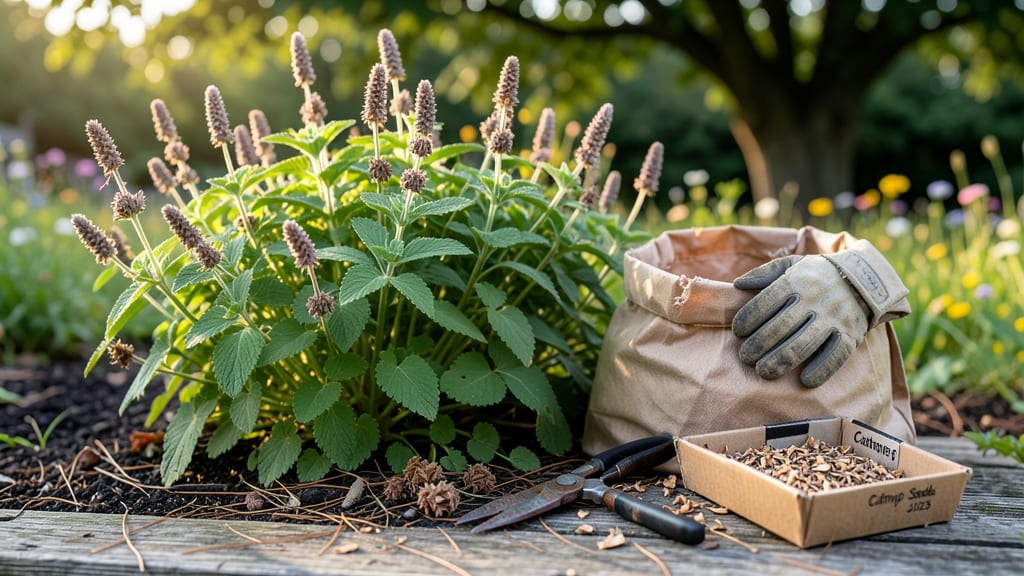
To harvest catnip seeds successfully, you’ll need to time the process just right—waiting until the flower heads turn brown and brittle 🐱 is the key to viable seeds.
Catnip isn’t just for playful kittens—its seeds can grow into thriving plants, but only if harvested and dried correctly. Follow these expert steps to collect viable seeds that’ll sprout strong, healthy catnip for years to come.
Many gardeners miss the window, cutting too early when seeds are still green or too late when they’ve scattered on the ground. The difference between a failed batch and a goldmine of seeds often comes down to knowing when to act.
In this guide, I’ll walk you through when to harvest, how to tell when seeds are ready, and the best drying methods to preserve them for next season—so you never waste another harvest again.

When and how to harvest catnip seeds for maximum viability
Harvesting catnip seeds at the right time ensures high germination rates and healthy new plants. The key is timing—wait until the flower heads mature fully but before they shatter and drop seeds prematurely.
This usually happens in late summer to early fall, around July to September, depending on your climate.
Identifying mature seed heads is crucial. Look for brown, crispy flower spikes that rattle when shaken—this signals seeds are ready. If you harvest too early, seeds won’t be viable; too late, and they’ll scatter on the ground. Morning harvests work best when humidity is low, reducing moisture risks.
Summary Table: Key Harvesting Stages for Catnip Seeds
| Stage | Visual Cues | Action | Best Time |
|---|---|---|---|
| Early Flowering | White/pink blooms open | Monitor for maturity | June-July |
| Seed Maturation | Flower heads turn brown and brittle | Harvest when seeds rattle | Late August-Sept |
| Overripe Stage | Seed heads shatter easily | Avoid—seeds scatter | October |
| Storage Prep | Dry seeds fully (≤10% moisture) | Store in airtight containers | Post-harvest |
To harvest, use clean, sharp scissors or pruners to cut the entire seed head just above the first set of leaves. This prevents damage to the plant and ensures you capture all seeds. Place the cuttings in a paper bag or breathable container to allow airflow while transporting them indoors.
Once indoors, lay the seed heads on a clean, dry surface like newspaper or a mesh screen. Avoid plastic bags—trapped moisture causes mold. Let them dry for 1-2 weeks in a cool, dark place with good ventilation.
The goal is to reduce moisture to 10% or less for optimal storage.
After drying, gently rub the flower heads between your hands or use a fine mesh sieve to separate seeds from chaff. Discard any debris and store seeds in paper envelopes or glass jars with a silica gel packet to absorb excess moisture.
Label each container with the harvest date and store in a cool, dark pantry.
For maximum viability, harvest seeds in dry weather when humidity is low. Rainy conditions can lead to premature seed drop or mold during drying. If your catnip plant is in a container, move it indoors under a shade cloth a few days before harvesting to protect seeds from weather.
Test seed viability by placing a few in a glass of water. Viable seeds sink; floaters are nonviable. Aim for 80% or higher viability for successful germination. With proper timing and care, your catnip seeds can remain viable for 2-3 years if stored correctly.
Pro tip: If you miss the harvest window, don’t worry! Catnip is a perennial herb in warm climates (USDA zones 4-9). It often self-seeds, so you may find new plants sprouting next season. Just remove unwanted volunteers to control spread.
Best drying methods for catnip seeds: air-drying vs. oven-drying compared
Once you’ve harvested your catnip seeds, proper drying is critical to ensure viable germination. The two most common methods—air-drying and oven-drying—each have unique advantages depending on your climate and tools.
Let’s break down the best techniques to preserve seed quality while avoiding common pitfalls like mold or premature sprouting.
Air-drying is the gentlest method and ideal for most gardeners, especially in dry climates. Simply bundle your seed heads with twine and hang them upside down in a well-ventilated, shady spot.
This mimics natural drying conditions and preserves seed viability. However, humidity can be a challenge—even slight moisture can lead to mold or rot, so we’ll cover how to control this below.
Air-Drying Catnip Seeds
- Preserves natural seed oils
- Low risk of overheating
- No electricity required
- Best for large batches
- Slower process (1-2 weeks)
- Humidity-dependent
- Requires space and ventilation
- Risk of pests if not sealed
Oven-Drying Catnip Seeds
- Faster (1-2 hours)
- Controlled environment
- Good for small batches
- Works in humid climates
- Risk of overheating seeds
- Requires monitoring
- Not ideal for large quantities
- Uses electricity
For oven-drying, spread seeds in a single layer on a baking sheet and set your oven to its lowest setting (140°F or less). Check every 20 minutes to prevent overheating, which can kill seeds.
This method is best for small batches or when you’re short on time, but it demands close attention to avoid damaging the seeds.
To test if your catnip seeds are ready for storage, gently crush a few between your fingers. If they shatter easily and feel dry to the touch, they’re ready. If they’re still slightly pliable or sticky, they need more drying time.
Store seeds in a paper envelope or glass jar with a silica gel packet to absorb any remaining moisture.
Humidity control is key for both methods. Use a dehumidifier or place a small fan nearby to improve airflow during air-drying. For oven-drying, avoid high humidity days entirely—wait for a dry spell or use a desiccant in your storage container afterward.
Once dried, store your seeds in a cool, dark place like a pantry or seed vault. Properly dried and stored catnip seeds can remain viable for 2-3 years, giving you plenty of time to grow fresh plants for your feline friends or garden.