
How To
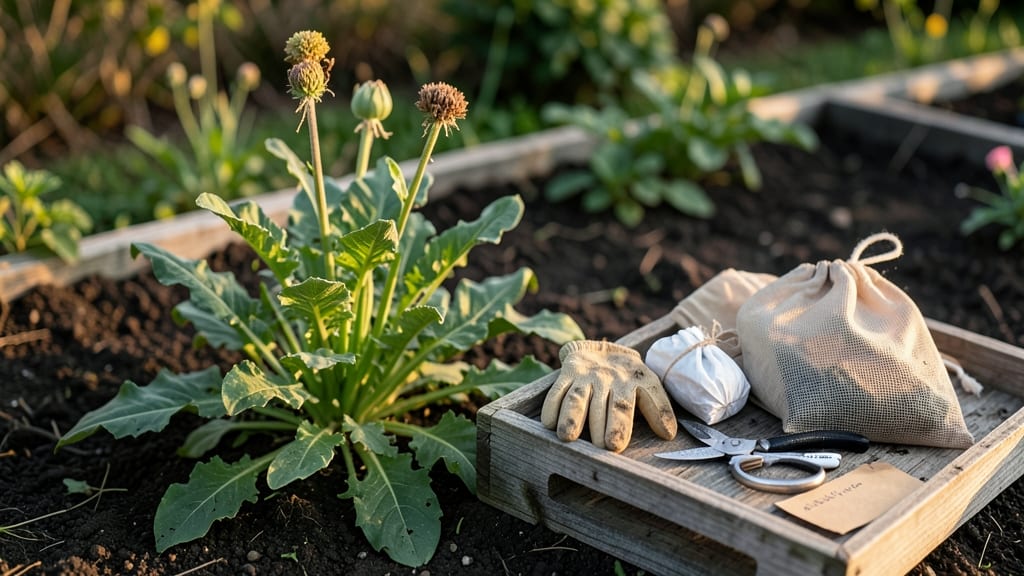
To harvest chicory seeds, wait until the flower heads turn a deep, papery brown and the seeds rattle inside when shaken 🌱 — that’s your cue the harvest is ready.
Chicory’s striking blue flowers may fade, but their seed heads hold the key to growing more of this hardy perennial—if you know exactly when and how to harvest them. Miss the window, and the seeds scatter before you can collect them, leaving you with nothing but empty stems.
Timing is everything: harvest too early, and the seeds won’t be viable; wait too long, and they’ll blow away in the wind. Below, I’ll walk you through the exact steps to ensure you maximize your yield, from cutting the seed heads to drying and storing them properly.
You’ll also discover common mistakes that waste seeds and how to avoid them, plus pro tips for increasing production—so you can enjoy fresh chicory year after year without buying new plants.

When to harvest chicory seeds: identifying the perfect ripeness stage
Timing your chicory seed harvest correctly ensures high-quality seeds for next season's garden. The key is watching for visual maturity cues—when the striking blue flowers fade into brown, papery seed heads that rattle when shaken.
This stage typically occurs 8-10 weeks after flowering, but environmental factors can shift this window by several weeks.
Chicory thrives in USDA Zones 3-9, but regional climate differences dramatically impact harvest timing. In cooler northern regions, seed heads may mature as early as late August, while southern climates often see readiness extending into November. Always monitor your plants rather than relying on calendar dates.
Here's what to look for when assessing seed head maturity:
| Maturity Stage | Visual Cues | Ideal Harvest Time | Climate Note |
|---|---|---|---|
| Early Bloom Stage | Blue flowers fully open | Not ready | All regions |
| Flower Drop | Petals fall, stems turn brown | Monitor daily | Northern zones: 6-8 weeks post-bloom |
| Seed Rattle | Heads rattle when shaken | Harvest window open | Southern zones: 8-10 weeks post-bloom |
| Full Maturity | Heads fully brown, seeds loose | Harvest immediately | All regions: Before seeds scatter |
The flower drop timing serves as your first warning that seed development is underway. When 80% of petals have fallen, begin checking heads daily for the telltale brown coloration and papery texture.
This transition typically takes 2-3 weeks in optimal conditions, but can stretch to 4 weeks in cooler or wetter climates.
Pay special attention to seed head color changes—the shift from green to tan or light brown indicates the seeds are nearing maturity. At this stage, the central stem should feel dry to the touch, and the seed head should separate easily from the stalk when gently twisted.
These cues confirm the seeds are ready for harvest.
Environmental factors like temperature fluctuations and humidity levels can delay maturity. In humid climates, seed heads may develop mold or rot before reaching full ripeness, while dry conditions can cause premature seed drop. Always harvest on dry, sunny mornings to minimize these risks and ensure seed viability.
For gardeners in USDA Zone 5 or colder, early frosts can interrupt the harvest process. If first frost threatens before seeds mature, consider protecting plants with row covers or harvesting partially mature heads to complete drying indoors.
This emergency harvest method preserves some seeds while allowing the plant to recover for future growth.
One common mistake is waiting until seed heads turn completely black—by this point, many seeds have already scattered. The ideal harvest window is when heads are fully brown but still intact.
This balance ensures maximum seed yield while preventing waste from premature seed dispersal caused by wind or animals.
Pro tip: Mark your first flowering date when you plant chicory. Adding 8-10 weeks to this date gives you a rough estimate for when to begin monitoring seed heads. Adjust this timeline by ±1 week based on your local climate patterns for more accurate predictions each season.
🌱
Step-by-step chicory seed harvesting process for maximum yield
Once your chicory plants have finished blooming and the flower heads turn brown, it’s time to harvest seeds for next season’s garden. Timing is everything—wait too long, and seeds scatter; harvest too early, and they won’t be viable.
The key is catching them at the perfect maturity stage when the seed heads are dry but haven’t released their seeds yet.
I’ve found that harvesting on a dry, sunny morning minimizes moisture issues and makes the process smoother. Use clean, sharp pruning shears to avoid crushing the delicate seed heads.
If you’re working with multiple plants, lay down a breathable fabric (like an old sheet) to collect any stray seeds that might fall during harvesting.
If you notice mold or premature seed drop, act fast. Mold often appears in humid conditions—move your drying seed heads to a drier location immediately. For premature seed drop, harvest earlier in the day when humidity is lowest, or cover plants with breathable mesh to trap seeds.
With proper drying and storage, chicory seeds can remain viable for 2+ years, giving you a reliable source for future plantings. Just remember: patience is key—rushing the drying process can ruin your harvest.