
How To
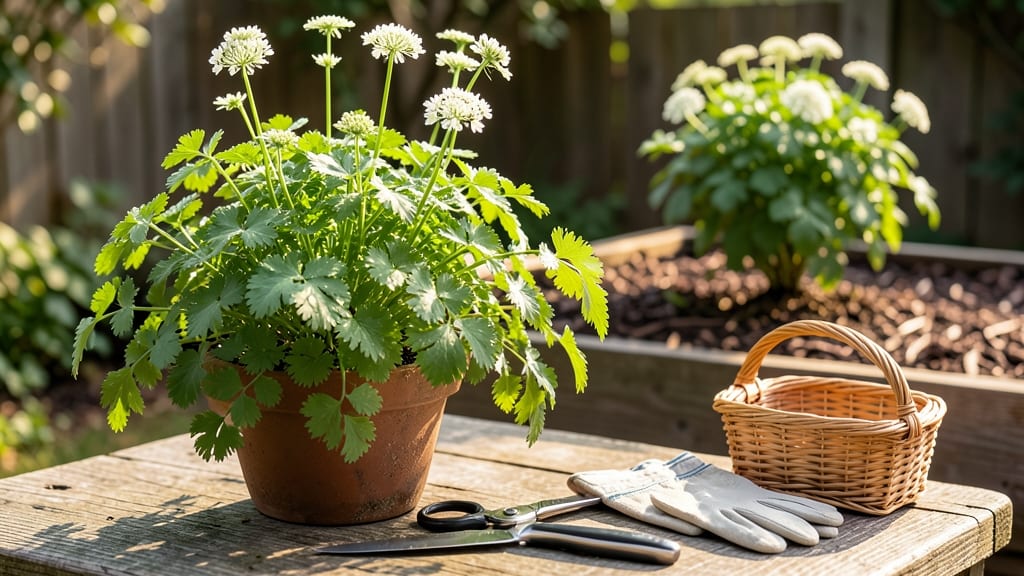
To harvest cilantro at its peak flavor, cut stems when the leaves cup tightly together—this is the sweet spot before bitterness sets in.
Struggling to keep your cilantro thriving? The secret to harvesting it at the perfect time—when leaves cup tightly—can transform bitter disappointment into a burst of fresh, flavorful greens for your kitchen.
Most gardeners wait too long, letting cilantro bolt into flower and ruin the delicate taste. But with the right timing and technique, you can enjoy harvest after harvest all season long.
In this guide, I’ll walk you through exactly when to snip, how to encourage regrowth, and even how to store your bounty so it stays fresh longer.

When to harvest cilantro for maximum flavor and preventing bolting
Harvesting cilantro at the right moment makes all the difference between bright, fresh flavor and bitter, woody disappointment. The key is timing—cutting when the leaves form tight, cup-like shapes at the top.
This stage signals the plant is mature enough for harvest but hasn’t yet bolted, which ruins its delicate taste.
Bolting happens when cilantro sends up a flowering stalk, transforming its leaves into tough, bitter greens. Once this occurs, the plant’s flavor profile changes dramatically, making it unusable for most culinary purposes. Understanding these signs and acting quickly ensures you enjoy cilantro at its peak.
For best results, aim to harvest cilantro 30-50 days after planting, when the outer leaves reach 2-3 inches long and curl slightly. This window typically falls in late spring or early fall, depending on your climate. In warmer regions, cilantro may bolt faster, so staying vigilant is key.
Seasonal timing also plays a role. In USDA Zone 6a, cilantro thrives in cool spring and fall months (March-April and August-September). If planted in summer, it often bolts within weeks due to heat stress. Choosing the right planting window can extend your harvest season significantly.
Here’s what to watch for to avoid common mistakes that lead to bolting or poor flavor:
Climate plays a huge role in cilantro’s growth cycle. In hot, dry conditions, cilantro bolts within 3-4 weeks, while cooler, humid climates allow for a 6-8 week harvest window. If you’re in a warm region, opt for shade-tolerant varieties like ‘Santo’ or ‘Calypso’ to delay bolting.
Another critical factor is watering consistency. Cilantro hates fluctuating moisture levels, which stress the plant and trigger bolting. Water deeply every 2-3 days during dry spells, keeping soil consistently moist but never soggy. Mulching with straw helps retain moisture and keeps roots cool.
To maximize your harvest, focus on regular pruning rather than one-time cutting. Snip the outer stems just above a leaf node, leaving the inner growth intact.
This encourages the plant to branch out, producing more leaves for future harvests. Avoid cutting more than one-third of the plant at once to prevent stress.
If your cilantro starts bolting prematurely, don’t panic. You can still use the leaves in cooked dishes where bitterness is less noticeable, like soups or stews. For future plantings, try succession planting every 2-3 weeks to ensure a steady supply of fresh cilantro all season long.
With the right timing and care, you’ll enjoy harvest after harvest of vibrant, flavorful cilantro—no bitter surprises in sight! 🌿
Step-by-step guide to harvesting cilantro without damaging the plant
Harvesting cilantro correctly is the key to a continuous supply of fresh, flavorful leaves. The right technique prevents bitterness and encourages regrowth—so you can enjoy homegrown cilantro all season. Whether you're a beginner or seasoned gardener, these steps will help you harvest like a pro.
Before you grab your shears, gather a few essential tools: a pair of sharp scissors or pruning shears, a small bowl for collected leaves, and a spray bottle filled with water for fresh cuts.
Avoid dull knives—they crush stems and invite disease. I always keep a small spray bottle nearby to mist freshly cut stems, which helps reduce wilting.
- Step 1: Identify Mature Leaves Look for outer leaves that are 2-3 inches long and fully curled. These are ready for harvest while protecting the inner growth.
-
Step 2: Choose Your Cutting Method
- Topping Method: Snip the entire stem 1-2 inches above the soil to encourage bushier regrowth.
- Stem Harvesting: Cut individual stems at a 45° angle, leaving lower leaves intact for continued growth.
- Step 3: Use Clean, Sharp Tools Sterilize your scissors with rubbing alcohol to prevent disease spread. Cut just above a leaf node for cleaner regrowth.
- Step 4: Harvest in the Morning Pick leaves when they're cool and hydrated (early morning) for peak freshness and flavor.
- Step 5: Encourage Regrowth After harvesting, water deeply and add a light nitrogen fertilizer (like fish emulsion) to promote new leaf production.
- Step 6: Monitor for Bolting If your cilantro starts producing tall flower stalks, it’s bolting. To delay this, harvest frequently and provide partial shade in hot climates.
If your cilantro becomes leggy or sparse after harvest, don’t panic. This often happens when plants lack light or nutrients. To fix it, move your cilantro to a sunnier spot (6+ hours of sun) and feed it with a balanced fertilizer like 5-10-10.
I’ve revived leggy plants by trimming back overgrowth and giving them a week of shade to recover.
For container-grown cilantro, harvest leaves from the outer edges first to avoid overcrowding. If your plant is small, focus on single-stem harvesting to maintain its size. Remember, cilantro is an annual herb, so frequent harvesting keeps it productive until the first frost.
Pro tip: Store harvested cilantro in a sealed container with a paper towel to absorb moisture. Place it in the fridge’s crisper drawer for up to 10 days. For long-term storage, chop leaves and freeze them in ice cube trays with water or olive oil.