
How To
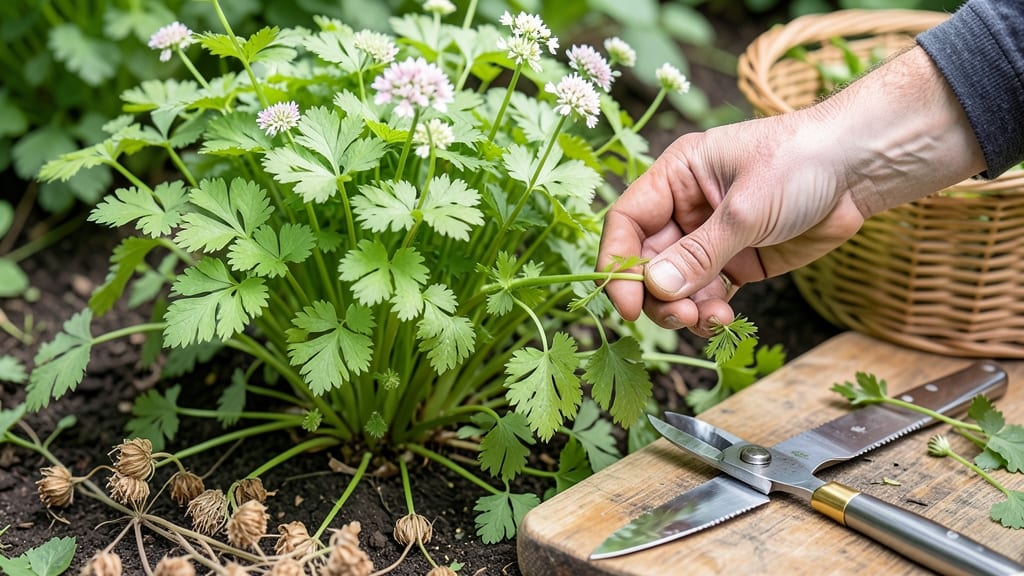
To harvest coriander plant at its peak flavor, focus on the leaves before the plant bolts and turns bitter 🌿 — a simple snip can keep your herb garden productive for weeks.
Coriander plants bolt faster than you can say "cilantro," turning your fresh herb harvest into bitter seeds—but with the right timing and technique, you can enjoy leafy, flavorful coriander for weeks. Here’s how to harvest like a pro and keep your plants producing.
Start harvesting when the leaves reach 3-4 inches tall, using clean scissors to snip just above leaf clusters. This method encourages regrowth and prevents the plant from flowering too soon.
Below, I’ll walk you through the exact steps for harvesting, storing, and even drying your coriander so you can use it in dishes from tacos to soups without wasting a single leaf.

When and how to harvest coriander leaves for maximum freshness
Timing is everything when harvesting coriander leaves—cut too early, and you’ll waste potential; wait too long, and your plant bolts into bitter seeds. The sweet spot arrives when plants are 4-6 weeks old and leaves reach 3-4 inches tall.
This is when flavor peaks and regrowth thrives. I’ve learned the hard way that even a single day of delay can trigger flowering, so I harvest aggressively when conditions are right.
Your first harvest should target the outer leaves first. These mature earlier and won’t stunt the plant’s growth. Use clean, sharp scissors or pruning shears to avoid crushing stems—this prevents disease and encourages bushier regrowth.
I always sanitize my tools with rubbing alcohol before cutting to keep my plants healthy. The key is to cut just above a leaf cluster or leaf node, never the main stem.
Here’s the step-by-step method I use to harvest coriander leaves without stressing the plant:
Harvest in the morning after dew has dried but before 10 AM when temperatures rise. This ensures leaves are fresh and crisp.
Look for tall stems or yellow flowers—these mean your plant is bolting. If you see these, harvest immediately and save seeds if desired.
Pick the largest outer leaves first, leaving the inner leaves and growth tip intact. Aim for leaves that are 3+ inches long.
Use clean scissors to snip just above a leaf node (the point where leaves attach to the stem). Avoid cutting into the main stem.
After harvesting, water the plant at the base and add a light mulch to retain moisture. This helps the plant recover faster.
Use freshly harvested leaves within 3-5 days for best flavor, or store in the fridge wrapped in a damp paper towel.
If you’re growing coriander for seeds, let some plants bolt and harvest the white seed pods when they turn brown. But if you want fresh leaves, prioritize harvesting before flowering.
I’ve found that successive harvesting every 2-3 weeks keeps my plants productive for up to 8-10 weeks, depending on the season.
One common mistake I see is harvesting too much at once. Never take more than 1/3 of the plant in a single session—this ensures the plant has enough energy to regrow.
I also avoid harvesting on hot afternoons, as the leaves can wilt quickly. Instead, I wait for cooler temperatures to preserve freshness.
For container-grown coriander, the process is similar, but I adjust my cuts to avoid overcrowding. Since pots have limited space, I focus on leaf-by-leaf harvesting rather than stem cuts.
This method works especially well for balcony gardens where space is tight. Just ensure your container has drainage holes to prevent root rot.
Watch for yellowing leaves or stunted growth after harvesting—these can signal stress. If this happens, reduce watering slightly and provide partial shade for a few days. Over time, your plant will bounce back and produce even more leaves. I’ve had coriander plants last three harvest cycles with proper care!
Pro tip: If your coriander starts bolting unexpectedly, try shading the plant with a light fabric or moving it to a cooler spot. This can delay flowering by 1-2 weeks, giving you more time to enjoy fresh leaves. 🌿
Preventing bolting: 5 proven tips to extend your coriander harvest
Coriander plants bolt when they sense heat stress or drought, transforming your flavorful leaves into bitter seeds overnight. In warm climates, this happens even faster—sometimes within 30 days of planting. The key to extending your harvest is understanding these environmental triggers and adjusting your care routine accordingly.
I’ve grown coriander in USDA Zone 9 for years, and these five strategies have kept my plants producing fresh leaves for up to 6 weeks longer than average.
Start with soil preparation and shade management, then layer in companion planting to create the ideal growing conditions for leafy, non-bolting coriander.
5 Proven Tips to Delay Bolting
- 🌡️ Keep soil temps cool: Use mulch (straw or shredded leaves) to maintain 60-70°F soil temps. Avoid black plastic, which heats soil and triggers bolting.
- ☀️ Provide afternoon shade: Install 30-50% shade cloth during peak summer heat (12 PM–4 PM). Coriander tolerates partial shade better than full sun in warm climates.
- 💧 Water consistently: Let the top inch of soil dry between waterings, but never let it stay bone-dry. Drought stress is the #1 cause of premature bolting.
- 🌱 Plant with shade companions: Grow coriander near tall sun-loving plants (like tomatoes or basil) to naturally shade its lower leaves. Avoid competing with fast-growing herbs like mint.
- ✂️ Harvest aggressively: Pinch off flower buds as soon as they appear, and harvest outer leaves first to encourage bushier regrowth. This reduces stress on the plant.
For gardeners in hot climates, I recommend planting coriander in early spring or late summer when temperatures are milder. If you must grow it in peak summer, use drip irrigation to keep roots consistently moist—this mimics the steady water supply coriander craves in its native Mediterranean climate.
One mistake I see often is over-fertilizing with high-nitrogen feeds, which can actually accelerate bolting. Instead, use a balanced 5-10-10 fertilizer sparingly (every 6-8 weeks) and focus on organic matter like compost to improve soil structure. Well-drained, slightly alkaline soil (pH 6.2–7.0) is ideal for preventing stress.
With these strategies, you’ll enjoy flavorful, non-bitter coriander for months—no bitter seeds in sight! The secret is proactive care: monitor soil temps, adjust shade, and stay ahead of watering needs. Your taste buds (and dinner guests) will thank you. 🌱