
How To
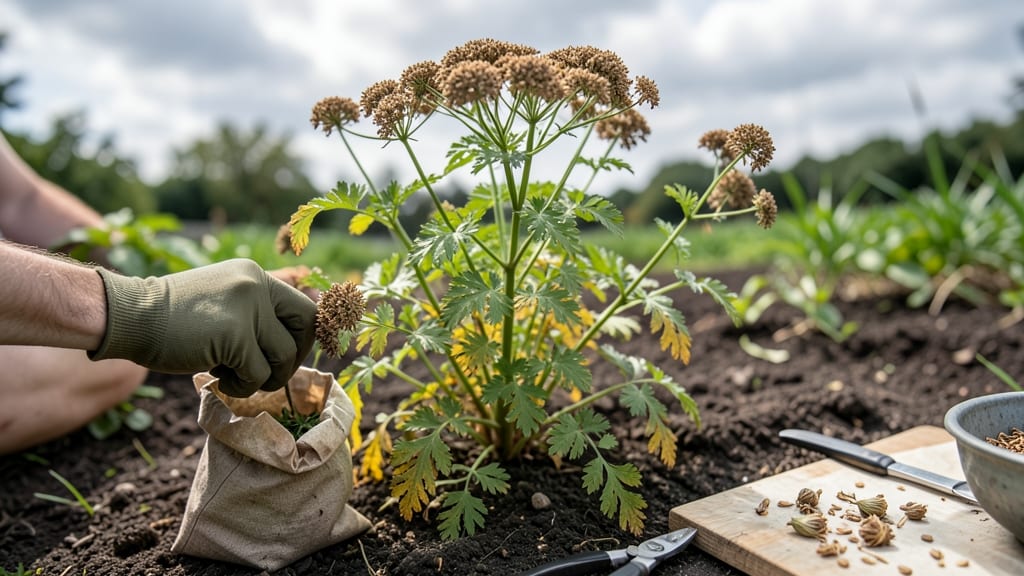
Harvesting coriander seeds from your 🌿 spring plants is all about timing—wait until the pods turn brown and dry, but before they crack open on their own.
If you’ve ever let your coriander plants flower only to wonder, "Why aren’t the seeds ready yet?" you’re not alone. The key is watching for those telltale brown pods while the leaves yellow and die back naturally.
Unlike leafy greens, coriander seeds demand patience and precision. Harvest too early, and you’ll miss the rich flavor; wait too long, and the seeds scatter before you can collect them.
Below, I’ll walk you through the exact steps to identify mature pods, how to dry them properly, and storage tricks to keep your seeds viable for up to two years—so you can grow your own next season.

When and how to identify mature coriander seed pods for harvesting
Harvesting coriander seeds at the right moment transforms your garden into a spice pantry. Unlike leafy greens, seed maturity hinges on subtle visual cues and environmental factors. Miss the window, and you risk premature harvesting (green, underdeveloped seeds) or overripeness (shattered pods and lost yield).
The key? Learning to read your plant’s signals—color shifts, texture changes, and even the weather.
Coriander plants typically reach seed readiness 75–90 days after sowing, but this varies by climate and variety. In cooler regions (like USDA Zone 6a), aim for June–July harvests when daytime temperatures hover between 65–75°F.
Warmer climates may see earlier ripening, while late spring plantings might delay maturity until early fall. Pay attention to these environmental triggers to fine-tune your timing.
Start by examining the seed pods’ color. Immature pods stay green and plump, while mature ones shift to a dull brown or tan. Run your thumb along a pod—if it feels papery and dry (not leathery), it’s ready.
A telltale sign? Shake the stems: mature seeds rattle inside like tiny maracas. This acoustic cue confirms ripeness without damaging the plant.
Don’t overlook the leaves and stems. As seeds mature, the lower leaves yellow and wither, redirecting energy to seed production. The stems may also turn woody and brittle. If you see green leaves persisting alongside brown pods, the plant is still feeding itself—wait a few more days.
Conversely, if the entire plant looks dry and crispy, you’ve missed the window.
Temperature plays a critical role in seed development. Coriander thrives in cool to moderate climates—if summer heat exceeds 85°F, pods may dry too quickly or shatter prematurely. In hot regions, harvest pods as soon as they brown, even if they’re not fully dry.
Conversely, in cooler zones, pods may take longer to mature; extend drying time indoors if needed.
Light exposure matters too. Coriander needs 6+ hours of direct sunlight daily for proper seed set. If your plants are in partial shade, pods may stay green or produce fewer seeds.
Monitor your garden’s sunlight hours—if shadows linger, relocate plants to a sunnier spot 4–6 weeks before expected flowering to ensure optimal conditions.
Pro tip: Use a staggered harvesting approach for large patches. Cut stems when 50% of pods are brown, then check the remaining plants every 2–3 days. This prevents seed loss from overripe pods while maximizing yield. Label harvested stems by date to track maturity patterns in future plantings.
Finally, avoid harvesting in humid conditions. Moisture slows drying and encourages mold or rot. Choose dry, sunny days (ideally 70–80°F) for cutting stems. If rain is forecast, harvest early and dry pods indoors under a fan to speed up the process.
Proper timing ensures viable seeds for next season’s garden.
Mastering these cues turns coriander’s seed harvest from guesswork to a rewarding ritual. With practice, you’ll anticipate maturity like a seasoned gardener—and enjoy the aromatic payoff of homegrown spices. 🌿
Step-by-step process for harvesting, drying, and storing coriander seeds
Once your coriander plants develop those signature brown seed pods, it’s time to harvest—but timing is everything. If you wait too long, the pods will crack open and scatter seeds everywhere.
The goal is to collect them when they’re fully dry but still intact, ensuring maximum yield and viability for future planting.
I’ve found that harvesting in the early morning works best, as the humidity is lower and the pods are more stable. Grab a pair of clean pruning shears or sharp scissors, and follow these steps to ensure you don’t waste a single seed.
Use clean pruning shears to snip the entire seed head from the stem, leaving about 1 inch of stem attached. Avoid pulling or twisting, which can damage the pods.
Shake the seed heads gently over a clean paper bag or tray to remove loose leaves and stems. This prevents contamination during drying.
Option A: Hanging Method – Bundle 3-5 stems together and hang them upside down in a dry, well-ventilated area (like a garage or shed) for 1-2 weeks until pods are completely dry and brittle.
Option B: Paper Towel Method – Lay pods on a paper towel in a single layer, cover with another towel, and place in a cool, dark spot for 5-7 days, flipping daily.
Pods are ready when they crack easily with gentle pressure and seeds rattle inside. If they’re still green or pliable, extend drying time by 2-3 more days.
Rub the dried pods between your palms or use a clean cloth to release seeds. Sift through the debris to collect only the brown, oval seeds for storage.
After extracting the seeds, store them in an airtight container like a glass jar or resealable bag. For short-term storage (6 months), keep them in a cool, dark pantry.
For long-term viability (up to 2 years), place the container in the fridge or freezer to slow moisture loss and prevent mold.
If you notice white mold or pests during storage, act fast: transfer seeds to a new container with a silica gel packet to absorb moisture and deter insects. Always label your containers with the harvest date to track freshness.
With these steps, you’ll have a steady supply of homegrown coriander seeds ready for next year’s garden—no store-bought packets needed! 🌱