
How To
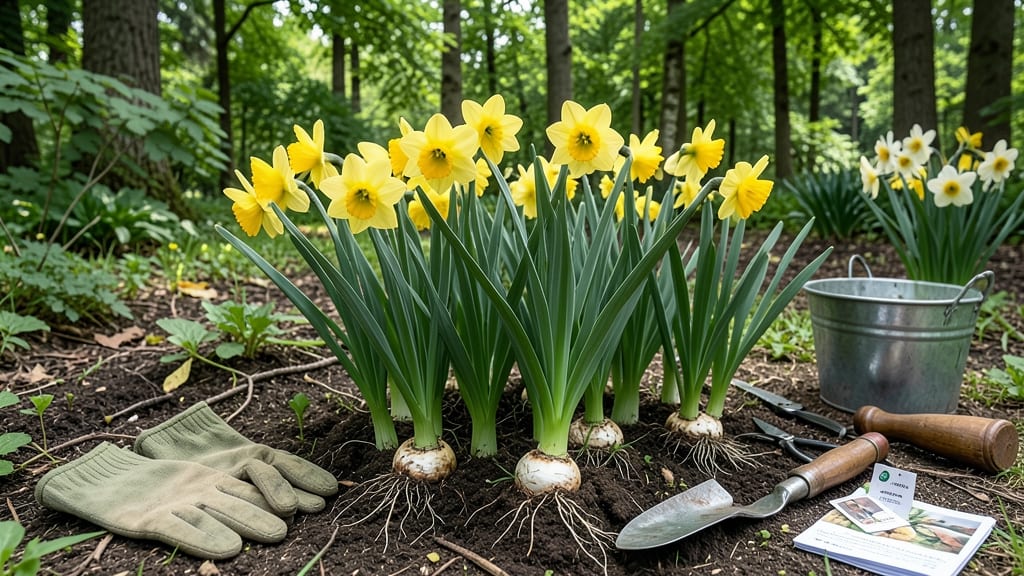
To harvest daffodils at their peak, aim for when the petals are fully open but the leaves remain vibrant green—this ensures both beauty and bulb health for next season.
Picture this: you’ve waited all winter for your 🌼 daffodils to bloom, and now they’re standing tall in your garden, their golden trumpets catching the sunlight. But harvesting them at the wrong time can mean wilted stems or weaker bulbs for next year.
The key? Timing the cut just right—when stems bend easily but haven’t yet started to sag.
Why does this matter? Harvesting too early means underdeveloped blooms, while waiting too long risks damaging the bulb’s energy stores. The good news?
With the right techniques—like cutting at the right angle and storing them properly—you can enjoy fresh-cut daffodils indoors for weeks or even force them to bloom earlier next year.
In this guide, I’ll walk you through the exact moment to harvest, the three pro tricks to keep stems fresh, and how to store them for indoor blooms—so you can turn your garden’s springtime stars into lasting beauty.

When to harvest daffodils: the perfect timing for stems that bend easily
Timing is everything when harvesting daffodils—cut too early, and the blooms won’t last; wait too long, and they’ll wilt before you even arrange them. The ideal harvest window is when the petals are fully open but before the leaves start yellowing.
This ensures your stems stay firm and hydrated for days in arrangements or forcing indoors.
I’ve learned the hard way that stem flexibility is your secret weapon. A stem that bends slightly at the base (but doesn’t snap) means it’s still drawing water from the bulb.
This flexibility translates to longer vase life—sometimes up to 10 days—because the plant isn’t yet stressed by leaf senescence. Think of it like harvesting peaks of perfection before nature calls it quits.
A summary table below breaks down the critical harvest signs and what to avoid. Bookmark this for your next daffodil season!
| Harvest Stage | Visual Cues | Stem Condition | Leaf Health | Action |
|---|---|---|---|---|
| Too Early | Petals tightly closed 🔴 | Soft or bending | Vibrant green | Avoid harvesting—wait for full bloom |
| Perfect Time | Petals fully open 🌸 | Firm but bends slightly | Still vibrant green 🌿 | Harvest now for longest vase life |
| Too Late | Petals wilting or brown ⚠️ | Brittle or snaps | Yellowing leaves | Skip this plant—quality drops fast |
| Pro Tip: Harvest when 70-80% of blooms are open in your garden | ||||
Here’s how I test stem flexibility in my garden: Gently grasp the stem near the base and bend it slightly. If it bends like a bow (not snaps) and springs back, it’s ready. This flex test saves me from cutting stems that’ll wilt within 24 hours.
For arrangements, aim for stems that are 3-4 inches tall when fully bloomed—they’ll have enough strength to support the flower heads.
Timing also depends on your daffodil variety. Early bloomers (like ‘Tête-à-Tête’) may need harvesting by late March, while late varieties (like ‘Ice Follies’) can wait until May. Check your last frost date—harvesting too early in cold climates can stress the bulb, reducing next year’s blooms.
I always mark my calendar for 2-3 weeks after peak bloom in my zone (USDA Zone 6a).
One common mistake I see is harvesting when the leaves start yellowing. By then, the bulb is already diverting energy away from the stem, and your cut flowers will last half as long.
The leaves should remain green and healthy—they’re the plant’s food factory for next year’s blooms. If you’re forcing daffodils indoors, harvest slightly earlier (when 50-60% of petals open) to give them time to adjust to indoor conditions.
For forcing daffodils indoors, timing is even more critical. Harvest when the buds are just starting to swell (not fully open) and store the bulbs in a cool, dark place (like a fridge) for 10-14 days before forcing.
This mimics winter conditions and ensures dramatic indoor blooms. I’ve forced ‘Paperwhite’ daffodils this way for Christmas arrangements, and they lasted 2 weeks in vases!
If you’re harvesting for bouquets or selling at markets, prioritize stem length and bloom freshness. Cut stems at a 45-degree angle with sharp shears (never dull scissors!) and immediately place them in lukewarm water with a flower preservative.
This hydration boost can add 3-5 extra days to their life. I swear by adding a sugar packet (like those for tea) to the water—it feeds the stems while they’re cut.
Remember, the earlier you harvest, the longer your daffodils will last. But don’t rush—wait until the morning after a rainy day when stems are plump with water. Avoid harvesting on hot afternoons, as stems can wilt faster.
Pro tip: Harvest early in the day (before 10 AM) for the freshest blooms, and store them in the fridge until you’re ready to arrange them.
Finally, don’t forget the foliage! Even after harvesting the flowers, let the leaves die back naturally (they’ll yellow and brown). This ensures the bulb stores enough energy for next year’s showstopping display.
I make a point to never cut leaves until they’re completely brown—it’s the best way to guarantee stronger blooms next spring. 🌼
3 Pro tricks for harvesting daffodils without damaging the bulbs
Harvesting daffodils the right way keeps your 🌼 blooms vibrant while ensuring those bulbs stay strong for next spring. The secret lies in three simple but powerful techniques that protect both the flower and the plant below ground.
I’ve tested these methods in my own garden, and they’ve made all the difference in vase life and bulb health.
First, timing is everything—cut stems when they bend slightly at the base but haven’t started to droop. This flexibility signals peak freshness without stressing the bulb.
Pair that with the right cutting tools and post-harvest care, and you’ll extend your daffodils’ beauty for weeks indoors or even force them to bloom earlier next year.
Never use dull scissors or knives—they crush stems and shorten vase life. I’ve seen daffodils last over two weeks in vases when cut properly, compared to just 3-4 days with jagged cuts. For best results, harvest in the early morning when stems are fully hydrated.
After cutting, strip the lower leaves from the stems to reduce bacterial growth in the water. This simple step can add another week to your bouquet’s freshness. I also recommend changing the water every 2-3 days to prevent algae buildup, which clogs stems and causes wilting.
For gardeners forcing daffodils indoors, harvest stems when buds are just starting to swell. Place them in a cool, dark spot (like a refrigerator) for 10-14 days before bringing them into light. This mimics winter conditions and triggers blooming—perfect for beating winter blues with spring flowers indoors.
Pro tip: If you’re harvesting multiple stems, use a bucket of water to hold them immediately after cutting. This prevents wilting while you arrange them. I keep a dedicated bucket near my garden gate for quick harvesting days—it’s saved countless stems from drying out.