
How To
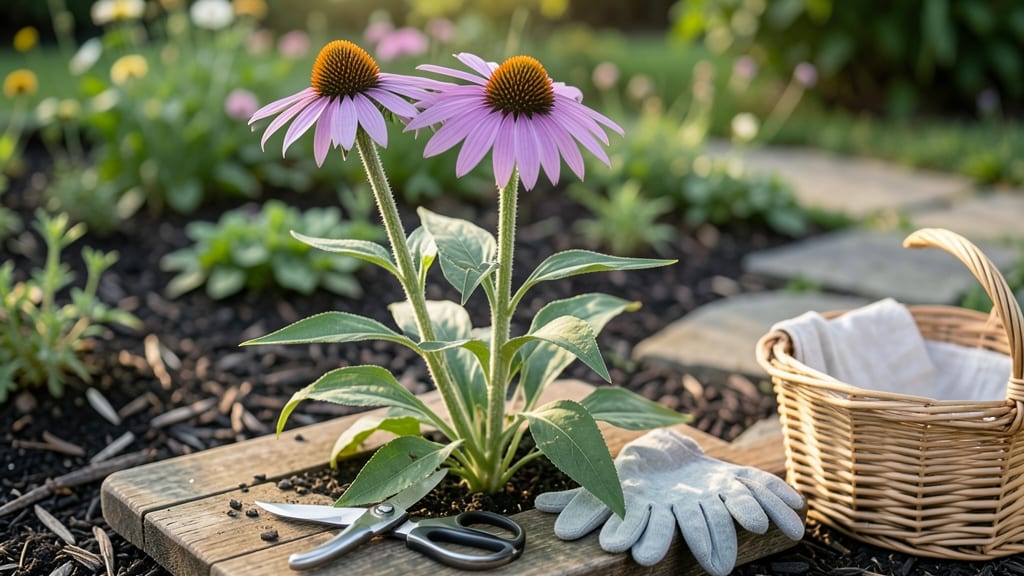
Harvesting echinacea at the right stage unlocks its full medicinal power—when those vibrant purple blooms 🌸 are fully open but before they fade.
Picture this: you’ve spent months nurturing your echinacea, only to cut the flowers too early and miss the peak potency—or worse, let them wilt on the stem. The difference between a therapeutic harvest and a wasted one comes down to timing, technique, and a few simple tools.
In this guide, I’ll walk you through the exact moment to harvest for maximum benefits, the three pro cutting tips that protect your plant, and how to dry and store your echinacea so it lasts all year.
Whether you’re growing it for immunity support or just love its bold beauty, you’ll leave here with a foolproof method.
No more guesswork—just clear steps to turn your garden’s echinacea into a long-term remedy or decorative treasure. Let’s get started.

When to harvest echinacea for peak potency: bud stage vs fully open flowers
Echinacea’s medicinal magic lies in its alkamides and polysaccharides, compounds that peak when the flower buds are 2/3 open. This is the sweet spot for potency—harvest too early, and you miss the therapeutic benefits; too late, and the compounds degrade.
Understanding this stage transforms your harvest from mediocre to highly effective for teas, tinctures, or dried arrangements.
The botanical science behind echinacea’s power is fascinating: its alkamides (found in the roots and flower heads) are most concentrated when the petals are unfurling but not yet fully open. Meanwhile, polysaccharides (immune-boosting compounds) are at their highest when the flower is fully open but still vibrant.
This dual timing is why mastering the harvest window is critical for maximum medicinal value.
Weather plays a surprising role in your harvest timing. Cool mornings with dry conditions are ideal—cutting after a light dew can introduce moisture, while hot afternoons may cause the flowers to wilt prematurely.
I’ve learned to schedule my harvests for late morning (after dew dries) on days when the forecast calls for sunny skies.
Here’s the golden rule: Harvest when 2/3 of the petals are open. This stage ensures you capture the highest concentration of active compounds without letting the flower over-mature.
Over-mature flowers (fully open for days) lose potency as their alkamides break down and polysaccharides degrade. Think of it like picking fruit at its peak ripeness—timing is everything.
🌸
Signs of over-maturity are easy to spot if you know what to look for. Wilting petals, brown edges, or a fading color are red flags that the flower’s potency has diminished.
I once harvested a batch too late and noticed the vibrant purple had turned dull—this was my wake-up call to pay closer attention to timing. Over-mature flowers also attract more pests, like aphids, which can contaminate your harvest.
Another critical factor is the plant’s energy reserves. Echinacea stores its alkamides in the roots and flower heads, but excessive harvesting can stress the plant. To avoid this, I limit myself to 1/3 of the plant’s flowers per harvest.
This ensures the echinacea has enough energy to rebloom and replenish its compounds for future harvests. Think of it as sustainable harvesting—just like fishing or foraging.
If your echinacea is in USDA Zone 6a or warmer, your harvest window typically spans July through September. However, cooler climates may extend this window into early October.
I’ve found that early morning harvests (before 9 AM) yield the freshest flowers with the highest moisture content, which preserves the alkamides during drying. Pro tip: Use a sharp pair of pruning shears to make clean cuts just above a leaf node—this encourages bushier growth.
For those growing echinacea in containers, timing is even more critical because the root system is limited. Container-grown plants may bloom earlier and fade faster due to heat stress. I’ve adjusted my container harvests to late July to catch the peak before the flowers over-mature.
Always check the soil moisture—dry conditions can accelerate the flower’s decline, so water lightly the day before harvesting if needed.
Finally, don’t overlook the <
3 Pro techniques for cutting echinacea without damaging the plant
Once you’ve identified the perfect harvest window for your echinacea, the next step is cutting the blooms with precision to preserve their potency and keep your plant thriving. The wrong technique can stress your echinacea, reduce future blooms, or even invite pests.
I’ve refined these three pro techniques over years of harvesting—each designed to protect your plant while maximizing your yield. Whether you’re using sharp pruners or clean snips, the goal is always the same: a clean cut that encourages bushier growth.
The first rule? Always use sterilized tools. Dirty blades spread disease, and echinacea—while hardy—can still succumb to fungal infections if you’re not careful. I wipe my pruners with rubbing alcohol before every harvest session, even if I’ve just used them on healthy plants.
A quick 30-second wipe makes all the difference in keeping your garden disease-free. Another pro move? Harvest in the morning after dew dries—this gives stems time to recover before evening moisture sets in.
🌿 Pro Techniques for Harvesting Echinacea
-
1. Use sterilized pruners or clean snips
Wipe blades with rubbing alcohol before each harvest to prevent disease spread. -
2. Cut stems at a 45° angle
1-2 inches below the flower head to encourage bushier regrowth. -
3. Leave lower leaves intact
Preserve foliage to maintain photosynthesis and plant health. -
4. Harvest every other stem
Space cuts 2-3 days apart to avoid over-stressing the plant. -
5. Store flowers upside-down
Bundle stems in paper bags for air-drying to preserve potency.
Here’s where most gardeners go wrong: they cut stems too close to the base or remove too many flowers at once. I’ve seen echinacea plants struggle to recover when over-harvested, leading to sparse blooms the next season. My solution?
Follow the 2/3 rule: leave at least two-thirds of the stems uncut. This ensures your plant has enough energy to produce new blooms while still giving you a bountiful harvest.
For example, if your echinacea has 12 stems, cut only 4 at a time and rotate which stems you harvest every few days.
When it comes to cutting techniques, I prefer using bypass pruners for thicker stems (over 3/8 inch) and clean snips for delicate flowers. The key is making a 45° angle cut about 1-2 inches below the flower head.
This angle increases the surface area for water uptake, helping the stem recover faster. Pro tip: If you’re harvesting for medicinal use, avoid cutting through the central cone—this is where many of the plant’s active compounds concentrate. Instead, focus on the outer petals for tea or tinctures.
After harvesting, don’t just toss the flowers into a vase or basket. Proper post-harvest care is critical for drying and storage. I bundle stems in paper grocery bags (they allow airflow while protecting from dust) and hang them upside-down in a dark, dry place like a closet or pantry.
Within 1-2 weeks, the petals will crisp and turn brown—this is your cue that they’re ready for storage. For longer shelf life, store dried echinacea in glass jars with airtight lids away from direct sunlight. Label your jars with the harvest date to track freshness.
One final pro tip: if you’re growing echinacea for repeated blooms, deadhead spent flowers regularly. This encourages the plant to produce more buds instead of focusing energy on seed production.
I make it a habit to check my echinacea plants weekly during peak bloom season (July-September) and snip any faded flowers with the same 45° angle technique. It’s a small effort that pays off with vibrant blooms all season long.
With these techniques, you’ll harvest echinacea like a pro—keeping your plant healthy, your yields high, and your medicinal stash potent for months to come. Happy harvesting! 🌸