
How To
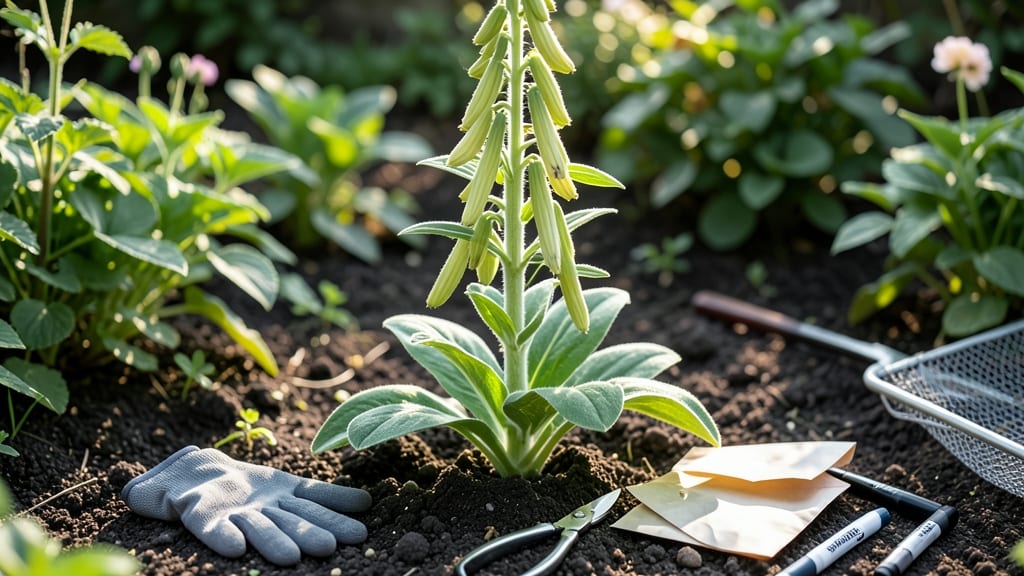
Harvesting foxglove seeds at the right time ensures viable germination for stunning plants year after year 🌸 — but timing is everything.
If you’ve ever watched seed pods crack open only to find the seeds already scattered by the wind, you know how quickly things can go wrong. The key is catching them at the perfect moment: when the pods turn brown, split naturally, and the seeds inside are fully formed.
Miss this window, and you risk losing your entire batch before it even has a chance to sprout.
In this guide, I’ll walk you through the exact steps to identify mature seed pods, collect them safely, and process them for storage. You’ll learn how to avoid common mistakes like premature harvesting or improper drying, which can ruin your seeds before they ever hit the soil.
By the end, you’ll have a foolproof method to save seeds from your foxglove plants, ensuring a steady supply of these easy-to-grow, dramatic flowers for seasons to come.

When and how to identify mature foxglove seed pods for harvesting
Identifying mature foxglove seed pods requires careful observation of visual cues and physical changes that signal readiness. The most critical phase occurs 60-90 days after flowering, when pods transition from green to brown.
This color shift indicates the seeds inside are fully developed and ready for collection—if you miss this window, the pods may crack open prematurely, scattering seeds before you can harvest them.
Start monitoring your foxglove plants in late summer when the first flowers fade. Look for pods that have dried out and turned a tan or light brown color, rather than the vibrant green of unripe pods.
The texture will also shift from firm and crisp to dry and papery, making them easier to handle without crushing.
Environmental factors like temperature drops and lower humidity in early fall trigger the final stages of seed maturation. Cooler nights and drier air help pods dry uniformly, ensuring seeds reach peak viability.
If you notice pods beginning to split open naturally, act quickly—this is your cue to harvest before seeds disperse.
Here’s a quick reference to help you spot mature pods at a glance:
| Stage | Pod Color | Texture | Seed Condition | Action |
|---|---|---|---|---|
| Unripe | Bright green | Firm and crisp | Light-colored, underdeveloped | Wait 2-4 weeks |
| Mature (Ready) | Tan/brown | Dry and papery | Dark, fully formed | Harvest immediately |
| Overripe | Dark brown | Cracked or brittle | Scattered or shriveled | Too late; discard |
A helpful trick to confirm maturity is to shake the pods gently. If you hear seeds rattling inside, they’re ready for harvest. This sound indicates the seeds have detached from the pod walls, a sign they’re fully mature.
If the pods feel hollow when tapped, they may already be overripe, and the seeds could be compromised.
Timing is especially critical in humid climates, where pods may dry unevenly or crack prematurely. In these conditions, harvest pods as soon as they turn brown, even if they haven’t fully split open.
Conversely, in dry climates, pods may take longer to mature, so monitor them daily during the final stages.
Another visual cue is the stem condition. Mature foxglove plants will show signs of stem withering after flowering, a natural process that signals the plant is redirecting energy to seed production. If the stems are still green and upright, the pods likely need more time to mature.
Once you’ve identified mature pods, act quickly to avoid losing seeds to wind or rain. Use a pair of clean scissors or pruning shears to snip the pods from the stem, leaving about 1 inch of stem attached.
This helps prevent moisture loss during the drying process and makes it easier to handle the pods without damaging them.
Pro tip: Harvest on a dry, sunny day to minimize the risk of mold during drying. Avoid harvesting after rain, as excess moisture can accelerate spoilage.
If you’re unsure whether a pod is ready, err on the side of caution—underripe pods can be left on the plant, but overripe pods will scatter seeds you can’t recover.
By mastering these visual and physical cues, you’ll ensure a highly viable seed harvest every season, giving you the freedom to propagate your favorite foxglove varieties with confidence. Happy harvesting! 🌸
Step-by-step guide to harvesting and processing foxglove seeds for storage
Once you’ve identified your mature foxglove seed pods, the next critical step is harvesting them at the perfect moment to preserve seed viability. Foxglove seeds are delicate—handle them with care to avoid premature cracking or mold contamination during processing.
The goal is to collect seeds when they’re fully mature but before they scatter into the wind, ensuring you capture every dark, plump seed for future planting.
Timing matters most: harvest on a dry, sunny morning when humidity is low. This minimizes the risk of moisture retention, which can trigger mold growth during drying. Work gently but decisively—foxglove stems are brittle, and rough handling can snap them, leaving seeds behind.
Always wear gloves (foxglove is toxic) and use clean, sharp tools to avoid cross-contamination.
- Step 1: Collect Mature Seed Pods
Gently twist or snip fully brown, split-open pods from the stem using clean pruners. Place them in a paper bag (not plastic) to allow airflow and prevent condensation. - Step 2: Separate Seeds from Pods
Once pods are completely dry, crush them lightly over a white tray to release seeds. Discard empty or shriveled pods—they won’t yield viable seeds. - Step 3: Dry Seeds Thoroughly
Spread seeds in a single layer on a paper towel in a well-ventilated area (avoid direct sunlight). Stir daily for 3–5 days until seeds feel dry and crisp. - Step 4: Store Seeds Properly
Transfer dried seeds to paper envelopes or glass jars with a silica gel packet to absorb moisture. Label with the harvest date and store in a cool, dark place (or fridge) for up to 2 years.
Never rush the drying process—moisture retention is the #1 enemy of foxglove seeds. If seeds feel damp after 5 days, extend drying time or use a dehumidifier nearby.
Skipping this step leads to moldy seeds that won’t germinate, wasting your effort. For extra protection, store seeds in airtight containers with rice grains (natural moisture absorbers).
Labeling is non-negotiable. Foxglove varieties (like Digitalis purpurea or Digitalis grandiflora) can cross-pollinate, so note the parent plant’s color and height on your storage envelope. This ensures you know exactly what you’re planting next season. Pro tip: Include the harvest year—older seeds (over 2 years) lose viability faster.
Common mistakes to avoid include harvesting green pods (seeds won’t be mature) or using plastic bags (traps moisture). If seeds stick together after drying, they’re not ready—return them to the drying tray for another 24 hours. Patience here pays off with higher germination rates and healthier foxglove plants.
With these steps, you’ll transform foxglove’s ephemeral seeds into a long-term gardening asset. Store them correctly, and you’ll have a renewable supply of these show-stopping flowers for years to come. Happy harvesting! 🌿