
How To
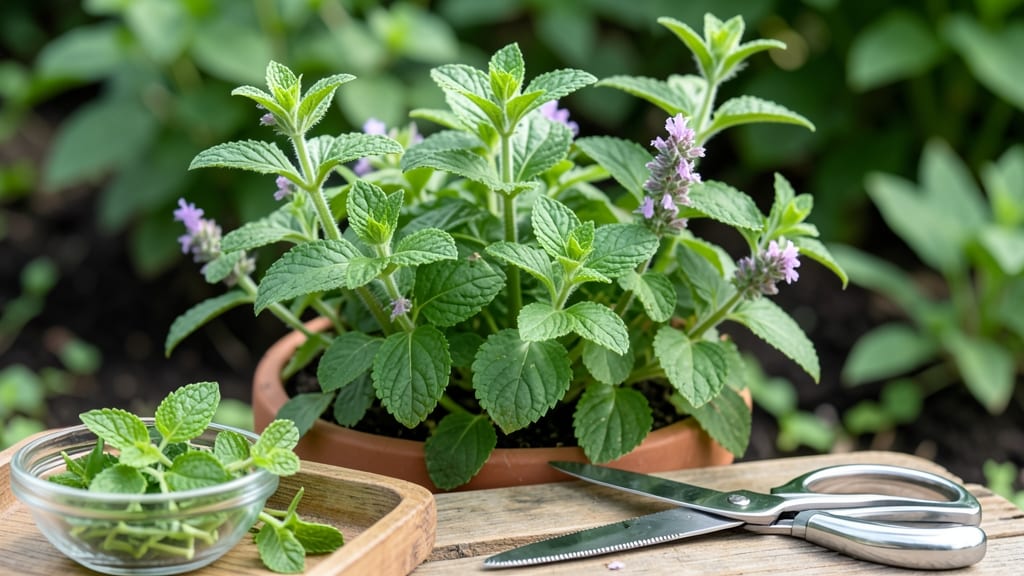
To harvest fresh mint properly, you’ll want to focus on timing and technique—because doing it wrong can leave you with sparse stems and weak flavor.
Fresh mint isn’t just a kitchen staple—it’s a fast-growing, low-maintenance plant that rewards proper harvesting with lush, flavorful leaves all season long. But timing and technique matter: harvest too early or too late, and you’ll stunt your plant’s growth or miss peak flavor.
Here’s the key: wait until your mint reaches 6-8 inches tall and has dark green, glossy leaves with a strong aroma. Cut stems just above a set of leaves, leaving at least a third of the plant intact to keep it thriving.
You’ll discover how to extend your harvest season, store fresh mint for weeks, and even troubleshoot common mistakes that can kill your plant—so you’re always stocked with vibrant, flavorful leaves for cooking, teas, or remedies.

When and how to harvest mint for maximum flavor and growth
Harvesting mint at the right time ensures you get the brightest flavor and encourage your plant to keep growing. The best time to harvest is during the plant’s active growing season, which runs from late spring through early fall.
For outdoor plants, this usually means June through September, while indoor mint can be harvested year-round if kept in optimal conditions.
Mint reaches peak flavor when it’s 6-8 inches tall and has fully developed leaves. Look for dark green, glossy leaves with a strong minty aroma when crushed—this is your cue that the flavor is at its best.
If you wait until the plant flowers, the leaves become bitter and less aromatic, so harvest before those purple flower spikes appear.
| Harvest Stage | Plant Height | Leaf Color | Aroma Test | Best Time to Harvest |
|---|---|---|---|---|
| Early Growth | 3-5 inches | Light green | Mild scent | Avoid (not flavorful) |
| Peak Flavor | 6-8 inches | Dark green | Strong minty | Harvest now! |
| Late Stage | 10+ inches | Green with flowers | Bitter aroma | Stop harvesting |
When harvesting, focus on cutting stems rather than individual leaves. Use clean, sharp pruning shears or scissors to snip stems just above a leaf node—this encourages new growth from that spot. Avoid tearing leaves, as this can damage the plant and invite pests.
For a bushier plant, cut back one-third of the plant’s height at a time, leaving at least half the foliage intact.
Indoor mint plants can be harvested more frequently than outdoor ones, as they don’t face the same seasonal limitations. However, even indoor mint benefits from a rest period every few months—reduce harvesting for 4-6 weeks to let the plant recover.
Outdoor mint, on the other hand, may slow down in late summer, so adjust your harvesting schedule to avoid stressing the plant before winter.
To maximize flavor, harvest mint in the morning after dew has dried. This is when the essential oils that give mint its signature taste are at their peak.
If you’re harvesting for storage, bundle the stems and hang them upside down in a dry, dark place for 1-2 weeks to dry. Once dry, strip the leaves and store them in an airtight container away from light.
One of the biggest mistakes gardeners make is over-harvesting. Mint is hardy, but cutting too much at once can weaken the plant and reduce future yields. Stick to the one-third rule: never remove more than one-third of the plant’s height in a single harvest.
This ensures your mint keeps producing fresh, flavorful leaves all season long.
If your mint plant starts to bolt (flower), it’s a sign that it’s time to reduce or stop harvesting. Flowering signals the end of the plant’s productive cycle, and the leaves will lose their bright, fresh flavor.
Instead, focus on letting the plant seed and regrow for next season. You can also prune off the flowers to encourage more leaf growth, but expect reduced flavor quality.
For year-round harvesting, grow mint in containers and bring them indoors before the first frost. Indoor mint thrives near a bright window or under grow lights, allowing you to harvest fresh leaves even in winter.
Just remember to reduce watering in colder months, as indoor plants dry out more slowly.
With the right harvesting techniques, your mint plant will stay lush, productive, and full of flavor for years. The key is consistency, timing, and patience—harvest when the leaves are young and vibrant, and always leave enough foliage to keep the plant thriving. Happy harvesting! 🌿
Step-by-step pruning techniques to keep mint bushy and productive
Pruning mint isn’t just about harvesting—it’s about shaping your plant for maximum growth and flavor. When you prune correctly, you encourage bushier foliage, thicker stems, and longer harvest seasons.
The key is to use the right techniques at the right time, so your mint doesn’t become leggy or sparse. I’ll walk you through the best methods to keep your mint thriving all season long.
Start by gathering your tools: clean pruning shears, sharp scissors, or even your fingers for pinching. Avoid dull tools, as they can damage stems and invite disease. Work in the morning after dew has dried—this gives the plant time to recover before evening.
Always prune just above a leaf node (where leaves meet the stem) to stimulate new growth from that spot.
- Step 1: Pinch young shoots when your mint reaches 3-4 inches tall. Use your fingers to gently pinch the top set of leaves—this encourages the plant to branch out instead of growing tall and leggy.
- Step 2: Cut stems at the base when they reach 6-8 inches. Use clean shears to snip just above a leaf node, leaving 2-3 inches of stem to prevent disease.
- Step 3: Shape the plant by trimming one-third of the height at a time. Focus on outer stems first to improve airflow and reduce pest risks.
- Step 4: Remove flower spikes immediately if they appear. Flowering signals the end of the plant’s productive cycle, so prune them off to redirect energy to leaf growth.
- Step 5: Fertilize lightly after heavy pruning. Use a balanced fertilizer (5-10-10) to help the plant recover and produce new growth.
Leggy stems are a common problem with mint, but you can prevent them by pruning regularly. If your mint starts stretching toward light, it’s a sign it needs more frequent pruning.
Focus on cutting back the tallest stems first, as these are the ones causing the plant to become top-heavy. This encourages the mint to grow wider rather than taller, resulting in a fuller, more productive bush.
After pruning, your mint will need time to recover. Give it 2-3 weeks before harvesting again, especially if you’ve done a heavy prune. During this time, keep the soil consistently moist and place the plant in a bright, indirect light spot.
Avoid over-fertilizing, as this can burn the roots and slow down recovery. A light feeding with a balanced fertilizer every 4-6 weeks during the growing season is plenty.
For year-round productivity, prune indoor mint every 4-6 weeks to maintain its shape and encourage continuous growth. Outdoor mint benefits from a final prune in early fall, just before the first frost.
Cut back the stems by half their height to reduce winter damage and promote new growth in spring. Mulch around the base to insulate roots and protect the plant from freezing temperatures.
With consistent pruning, your mint will stay bushy, productive, and full of flavor for years. The secret is balance: harvest often, prune regularly, and fertilize lightly. Soon, you’ll have a mint plant that’s always ready for your next recipe or tea blend! ✂️