
How To
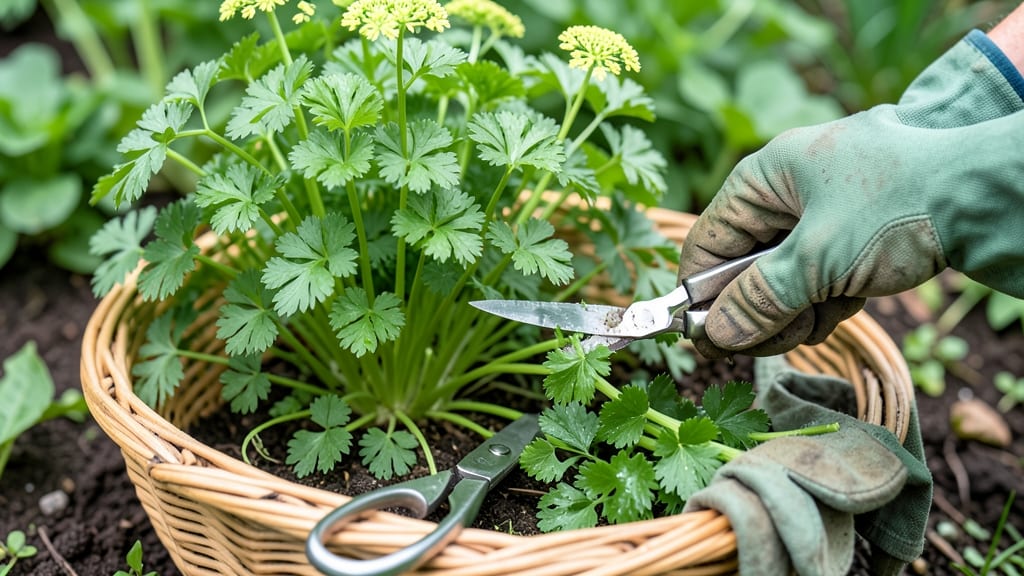
To harvest fresh parsley at its peak flavor and keep your plant thriving, focus on timing, technique, and minimal cuts 🌿 — a little care goes a long way.
Parsley isn’t just a garnish—it’s a flavor powerhouse, and harvesting it correctly ensures your dishes stay vibrant and full of aromatic freshness. But cutting it wrong can stifle regrowth and waste your hard work.
You don’t need fancy tools or a green thumb—just a sharp pair of scissors and a few simple steps to avoid overharvesting.
I’ll walk you through the best times to pick, how to snip without damaging the plant, and even how to store what you harvest so it stays fresh longer.
By the end, you’ll know exactly when to harvest, how much to take, and the pro tips to keep your parsley bushy and productive for months. Let’s get started!

When and how to harvest parsley for maximum regrowth and flavor
Timing your parsley harvest is everything—cut too early, and you’ll sacrifice flavor; wait too long, and the plant may decline. The ideal harvest window for parsley begins when leaves reach 3-5 inches long and have fully unfurled from their tight curls.
This usually happens 75-90 days after planting, depending on your climate and variety.
For flat-leaf parsley, which has a milder, slightly sweeter flavor, you can start harvesting even earlier—around 60 days—when the leaves are large enough to use but still tender. Curly parsley, with its more robust flavor, should wait until leaves are fully mature, typically 80-90 days in.
Both varieties thrive when harvested at the right height—never cutting more than one-third of the plant at once.
Seasonal timing matters too. In spring and fall, when temperatures are mild (50-75°F), parsley grows vigorously and recovers quickly from harvests. But during summer heat, especially in USDA Zone 7 and above, parsley may bolt or slow growth.
To combat this, harvest in the early morning when leaves are hydrated and flavors are most intense.
For container-grown parsley, which is common for urban gardeners, follow the same rules but be extra cautious. Potted parsley dries out faster, so water thoroughly after harvesting to encourage regrowth.
If your parsley is in a 6-inch pot, limit harvesting to 2-3 leaves per week to avoid stressing the plant.
One common mistake is cutting stems too close to the base, which can expose the crown to rot or pests. Always leave 1-2 inches of stem above the soil to protect the plant’s growth point.
Another pro tip: Use clean, sharp scissors or pruning shears to avoid crushing stems, which can lead to disease.
If your parsley starts looking leggy or sparse after harvests, it’s time to trim back any yellow or damaged leaves and give it a light fertilizer with a 5-10-10 NPK ratio. This encourages new growth while maintaining the plant’s health.
For flat-leaf parsley, which grows faster, you can harvest more frequently—every 2-3 weeks—while curly parsley may need 3-4 weeks between harvests to recover.
Finally, never harvest parsley after a hard frost if you’re in a colder climate. Instead, cut the entire plant before the first frost hits, then store or dry the leaves for later use. This ensures you maximize flavor and avoid wasting your hard work.
With these techniques, your parsley will stay lush, flavorful, and productive all season long—no garnish wasted! 🌿✂️💧
Step-by-step guide: harvesting parsley without killing the plant
Harvesting parsley the right way ensures your plant stays lush and productive for months. The key is to remove leaves strategically—never more than one-third of the plant at once.
This method keeps your parsley bushy and encourages new growth while avoiding the common mistake of over-cutting stems, which can kill the plant.
You’ll need just a few simple tools: a pair of sharp scissors or clean pruning shears, and a bowl to collect your harvest. Avoid using dull tools, as they can tear leaves and leave your parsley vulnerable to disease.
I recommend harvesting on a mild morning when the leaves are dry, making them easier to handle and less likely to bruise.
How to Harvest Fresh Parsley
- 1. Choose mature leaves—look for leaves that are 3-5 inches long and fully unfurled. These are ready for harvest and won’t stunt the plant’s growth.
- 2. Use clean scissors—hold the leaf stem between your thumb and forefinger, then snip just above the leaf’s base. This prevents damaging the main stem.
- 3. Harvest outer leaves first—this encourages the plant to grow bushier and protects the inner leaves from direct sunlight, which can cause bolting.
- 4. Avoid cutting more than one-third of the plant at a time. Over-harvesting stresses the plant and can lead to stunted growth or even death.
- 5. Water and fertilize after harvesting—give your parsley a drink of water and a light dose of balanced fertilizer (like 5-10-10) to help it recover and grow back stronger.
If you’ve accidentally over-harvested your parsley, don’t panic! Prune back any yellow or damaged leaves immediately to redirect the plant’s energy. Water deeply and apply a light fertilizer to encourage regrowth.
With proper care, your parsley can bounce back in just a few weeks, producing fresh leaves for your next harvest.
For potted parsley, the same rules apply, but be extra cautious—smaller pots mean less room for recovery. After harvesting, trim any leggy stems to encourage a fuller shape, and place the pot in a spot with bright, indirect light to support regrowth.
Remember, parsley is a biennial herb, meaning it can produce leaves for two years if cared for properly. By following these steps, you’ll enjoy a steady supply of fresh parsley all season long, ready to enhance your favorite dishes with its bright, zesty flavor.