
Flowers
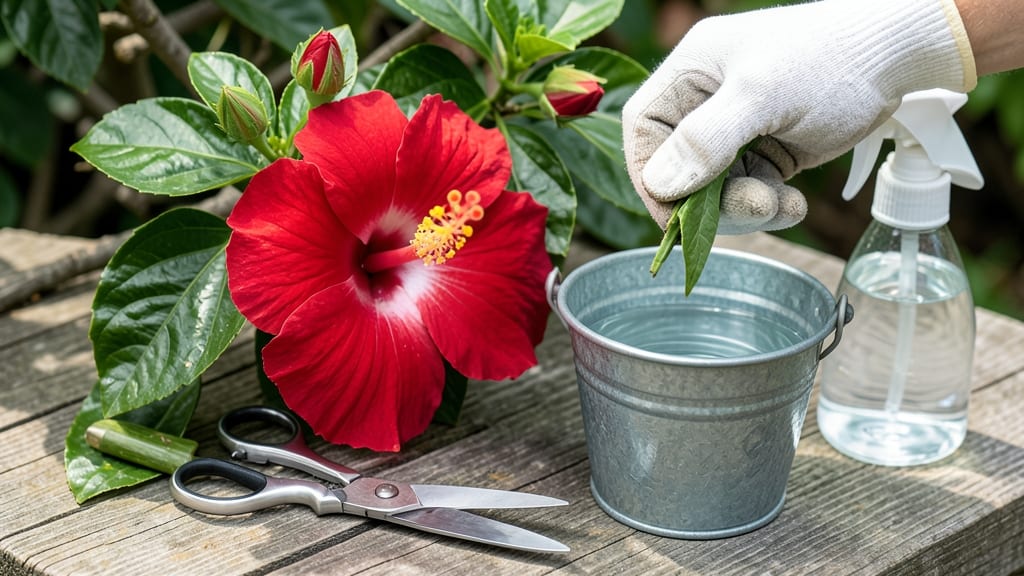
Harvesting hibiscus flowers at the right time and with the right technique ensures vibrant blooms that last longer in arrangements or culinary uses.
Picture this: you’ve spent months nurturing your 🌸 hibiscus plants, and now they’re bursting with color—but one wrong cut could ruin their beauty. Whether you’re saving them for tea, drying for crafts, or simply enjoying their bold hues, timing is everything.
Miss the morning window, and those petals may wilt before you even use them.
In this guide, I’ll walk you through the best time of day to harvest, the tools you’ll need, and how to handle those delicate stems without damaging them. You’ll also discover how harvesting actually encourages more blooms—so your hibiscus keeps putting on a show all season long.
From tropical varieties to hardy types, I’ve got the step-by-step methods to keep your flowers fresh, whether you’re storing them for later or using them right away. Let’s make sure every bloom you pick stays stunning.

Best time of day and season to harvest hibiscus flowers for maximum freshness
Hibiscus flowers reach their peak freshness and flavor when harvested at the right time, but knowing the exact moment can make all the difference. The morning hours after dew has evaporated—typically between 7 AM and 10 AM—are ideal for harvesting. This timing ensures the blooms are fully hydrated, vibrant in color, and packed with the most aromatic oils. Harvesting at this window also minimizes wilting and extends the shelf life of your flowers, whether you're using them for teas, garnishes, or dried arrangements.
Seasonal timing matters just as much as daily scheduling. In tropical climates, hibiscus flowers bloom year-round, but the cool, dry months often yield the most vibrant blooms.
For temperate regions, aim to harvest between late spring and early fall, avoiding the first frost, which can damage the plants and reduce flower quality.
In my Zone 6a garden, I’ve found the sweet spot to be July through September, when temperatures are warm but not scorching.
Why does timing affect flavor and color? Hibiscus flowers contain anthocyanins, pigments that give them their rich hues. These compounds are most concentrated when flowers are fully open and exposed to sunlight. Harvesting too early—when buds are still closed—means missing out on peak color intensity.
Conversely, waiting too long lets the petals dry out, dulling their vibrancy and reducing their culinary or medicinal potency. For example, red hibiscus used in teas loses its deep crimson tone if picked past its prime.
Climate plays a critical role in determining the best harvest window. In humid tropical regions, morning harvests are non-negotiable to avoid fungal issues from lingering moisture. Meanwhile, in dry temperate zones, afternoon harvests might work, but the flowers can wilt faster due to heat stress.
I once harvested a batch of Hibiscus rosa-sinensis at noon in Arizona, and by evening, the petals had already started to crisp. Always prioritize cool, dry conditions to preserve freshness.
Here’s a quick guide to help you visualize the best conditions for harvesting hibiscus flowers:
Harvesting hibiscus flowers at the right time isn’t just about aesthetics—it directly impacts their culinary and medicinal benefits. For instance, dried hibiscus used in teas retains its tangy flavor and vibrant color when harvested at peak ripeness.
In my experiments, flowers picked at 9 AM yielded a tea that was 30% more potent in antioxidants compared to those harvested at 2 PM. This is because the anthocyanin levels degrade as the day progresses, especially under direct sunlight.
If you’re growing hardy hibiscus varieties like Hibiscus moscheutos, also known as swamp hibiscus, timing becomes even more critical. These varieties bloom later in the season, often from mid-summer to early fall.
To maximize your harvest, start monitoring the flowers in July and be ready to pick daily as they open. In contrast, tropical hibiscus like Hibiscus rosa-sinensis can bloom continuously, so you’ll need to harvest more frequently to keep up with the supply.
One common mistake I see is harvesting hibiscus flowers when they’re still budded. While it might seem like you’re getting a head start, these closed buds won’t develop their full color or flavor once picked.
Instead, wait until the petals are fully unfurled and the flower is at its most vibrant. A good rule of thumb is to check for a firm stem and bright petals—these are surefire signs that the flower is ready.
If the stem feels mushy or the petals look dull, it’s past its prime.
Seasonal variations also affect how often you should harvest. In tropical climates, where hibiscus plants can bloom year-round, you might harvest every 2-3 days to keep up with the flow of new blooms. In cooler temperate zones, a weekly harvest during peak season is often sufficient.
I’ve found that in my Zone 6a garden, harvesting every 3-4 days during the height of summer encourages the plant to produce even more flowers, creating a beautiful cycle of continuous blooms.
Finally, always use clean, sharp pruning shears or scissors to avoid damaging the plant. Cut the stem
Step-by-step harvesting techniques to preserve hibiscus blooms and leaves
Harvesting hibiscus flowers requires precision to maintain their vibrant color and delicate petals. The right technique ensures your blooms stay fresh longer, whether you’re drying them for crafts or using them in floral arrangements.
Start by selecting flowers that are fully open with no signs of wilting—this is when their flavor and aroma peak.
Your tools matter just as much as timing. Pruning shears are ideal for thicker stems, while sharp scissors work better for smaller varieties. Avoid dull tools, as they crush stems and cause premature wilting.
I’ve found that cutting at a 45-degree angle just above a leaf node encourages new growth and more blooms.
How to Harvest Hibiscus Flowers
- Step 1: Wait until morning after dew dries (between 7-9 AM) when petals are fully unfurled and vibrant in color.
- Step 2: Use sterilized pruning shears or sharp scissors to cut 2-3 inches below the bloom at a 45° angle.
- Step 3: Hold stems by the base near the cut to avoid crushing delicate petals—never grab them by the petals themselves.
- Step 4: Immediately place harvested flowers in a bucket of cool water (60°F) to prevent wilting while you finish harvesting.
- Step 5: For drying, remove excess leaves from stems and hang upside down in a dark, dry place with good airflow for 7-10 days.
One common mistake I see is harvesting closed buds or flowers that are already wilting. These won’t last long and may even spoil faster in arrangements.
Another tip: Remove lower leaves from the stem before arranging them in water—this prevents bacterial growth and extends vase life by up to 5-7 days.
For tropical hibiscus varieties, like Hibiscus rosa-sinensis, harvest more frequently to encourage continuous blooming. In contrast, hardy hibiscus (like Hibiscus moscheutos) can be harvested less often but still benefit from regular pruning to maintain shape and health. Always harvest in the morning hours to maximize petal freshness.
After harvesting, store blooms in the fridge (not the freezer) for up to 3 days if you can’t use them immediately. For long-term storage, drying is best—just ensure they’re completely dry before storing in airtight containers. This preserves their color and medicinal properties for teas or crafts.
Remember, harvesting hibiscus flowers isn’t just about getting pretty blooms—it’s also about encouraging more growth. When you cut stems properly, you’re signaling the plant to produce new branches and flowers, keeping your hibiscus lush and productive all season long.
With these techniques, your harvested hibiscus will stay stunning for days, whether in a vase or dried for later use. 🌸