
How To
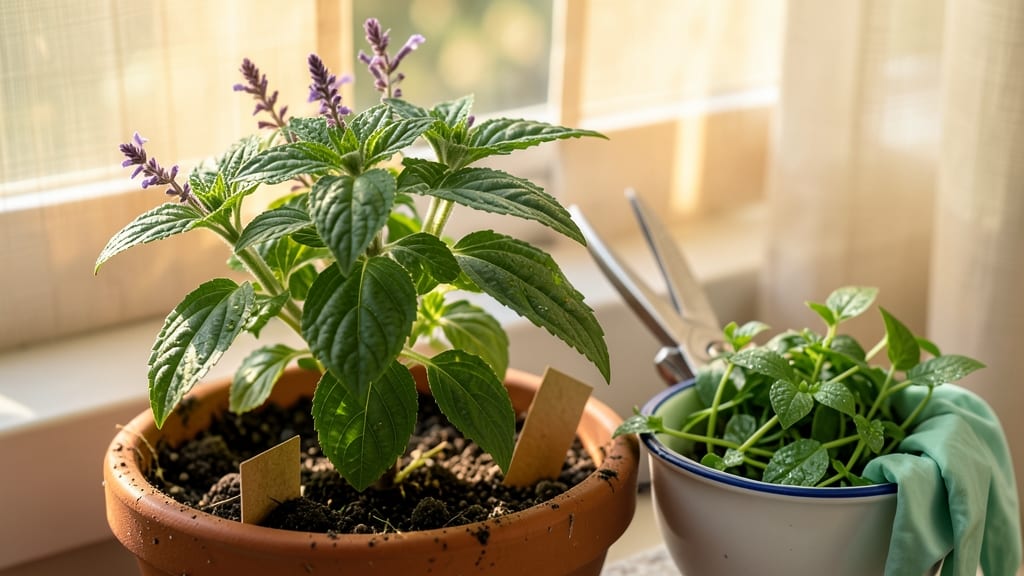
To harvest holy basil at its peak flavor and vitality, focus on timing and technique—especially when leaves curl back or the soil resists your tools.
Holy basil—also known as tulsi—isn’t just a sacred herb; it’s a powerhouse in your kitchen and garden when harvested correctly. But if your leaves curl back or the soil fights you every time you dig, you’re missing key timing and technique secrets that ensure a bountiful, stress-free harvest.
Harvesting too early or too late can turn your 🌿 holy basil into a leggy, flavorless mess. The best time to pick is in the morning, when leaves are fully hydrated and packed with essential oils.
This simple shift can make the difference between a burst of aroma and a wilted disappointment.
In this guide, I’ll walk you through the exact steps to harvest holy basil—from recognizing the perfect moment to store your bounty without wasting a single leaf. You’ll also learn how to revive your plant if it struggles after pruning, so you can keep the harvests coming all season long.

When to harvest holy basil for maximum flavor and growth
Harvesting holy basil at the right time transforms your garden into a flavor factory. The best window opens when your plant reaches 60-90 days after germination, but timing isn't just about age—it's about leaf maturity and seasonal cues.
I've learned that harvesting too early results in bitter, underdeveloped leaves, while waiting too long risks woody stems and reduced potency.
Look for vibrant green leaves that are fully unfurled and emit a strong aroma when crushed. These are your cues that the plant's essential oils have peaked. The morning hours—between 8 AM and 10 AM—are ideal because leaves contain the highest concentration of flavor compounds after a night's hydration.
This simple timing shift can double your harvest's potency.
Seasonal timing matters too. In USDA Zone 6a, I start harvesting in late spring when temperatures stabilize above 60°F. For container-grown plants, this window shifts slightly earlier.
The key is avoiding harvests when your basil faces heat stress (above 90°F), which causes leaves to curl back—a sure sign you've missed the optimal window.
Never harvest more than one-third of the plant at once. I've seen gardeners make this mistake and end up with leggy, sparse growth. Instead, focus on selective harvesting—picking only the largest, most mature leaves while leaving younger growth to continue photosynthesizing.
This approach maintains your plant's vigor and ensures continuous production.
Watch for flower buds as another harvest signal. When your holy basil starts flowering, it's time to harvest more aggressively since the plant redirects energy toward seed production. Pinch off any buds that appear to redirect that energy back into leaf growth.
This technique keeps your basil lush and productive for weeks longer than if you ignored these cues.
Avoid harvesting at the wrong time of day, which is a common mistake. Evening harvests lead to wilted leaves that lose flavor quickly. I've tested this myself—leaves picked at noon wilt within hours, while morning-picked leaves stay fresh for days.
Always use clean, sharp scissors or pruners to make clean cuts that heal faster and prevent disease.
Your holy basil's growth stage determines how aggressively you can harvest. Young plants need gentle treatment, while mature bushes can handle more frequent pruning. I recommend starting with weekly harvests once the plant establishes itself, then increasing to every 3-4 days during peak growth.
This schedule keeps your basil productive without stressing the plant.
Seasonal changes also affect harvest timing. In summer months, holy basil grows rapidly and can handle more frequent harvests. However, in cooler weather, reduce frequency to prevent shock.
I've found that a 30-day harvest cycle works well in fall, giving the plant time to recover between cuts while still maintaining productivity.
If your leaves curl back during harvest, it's often a sign of overharvesting or stress. This reaction means you've taken too much too soon. To fix this, immediately reduce harvest frequency and increase watering.
Within a week, your plant should bounce back, and you can resume normal harvesting once new growth appears.
Remember that holy basil is a delicate plant that responds quickly to care. By following these timing cues and techniques, you'll enjoy a continuous supply of flavorful, aromatic leaves all season long.
The key is consistency—harvest at the right time, use proper techniques, and your basil will reward you with abundant growth and maximum flavor.
Step-by-step harvesting techniques for holy basil leaves and stems
Harvesting holy basil correctly ensures a steady supply of flavorful leaves while promoting healthy regrowth. Start by gathering your tools: a pair of sharp pruning shears, clean scissors, and a small bowl for your harvest. I always sanitize my tools with rubbing alcohol to prevent disease transmission between plants.
The key to successful harvesting lies in timing and technique. Aim to harvest in the early morning when essential oils are at their peak, giving your basil leaves that signature aromatic punch. This is also when the plant is fully hydrated, reducing the chance of leaves curling back during handling.
How to Harvest Holy Basil
- 1 Identify mature leaves: Look for leaves that are fully dark green and glossy, typically the larger, lower leaves on the stems. These are ready for harvest while preserving younger growth.
- 2 Hand-pick individual leaves: Use your fingers to gently pinch off leaves at their base, avoiding tearing. For smaller harvests, this method minimizes plant stress and encourages new growth from the same stem.
- 3 Cut stems for larger harvests: For bigger batches, use sterilized scissors to cut stems just above a leaf node. Never remove more than one-third of the plant at once to avoid shocking it.
- 4 Prune for regrowth: After harvesting, trim back any woody or leggy stems to encourage bushier growth. This is especially important if your plant starts looking overgrown or sparse.
- 5 Handle soil resistance: If the soil feels compacted or sticky, loosen it gently with a fork before digging. Resistant soil can damage roots and stress the plant, so always work in well-draining soil for easier harvesting.
When digging around holy basil plants, resist the urge to yank—this can uproot delicate stems. Instead, use a small trowel to gently lift the soil and expose roots if needed. If your soil is particularly resistant, consider adding organic matter like compost to improve its structure over time.
After harvesting, store your leaves in a paper towel-lined container in the fridge for up to a week. For long-term storage, dry the leaves in a well-ventilated area away from direct sunlight. This preserves their flavor and medicinal properties for months.
Regular harvesting every 2-3 weeks keeps your holy basil thriving and prevents it from flowering too soon. When flowers appear, the leaves become bitter, so stay vigilant and prune flower buds as soon as they form.