
How To
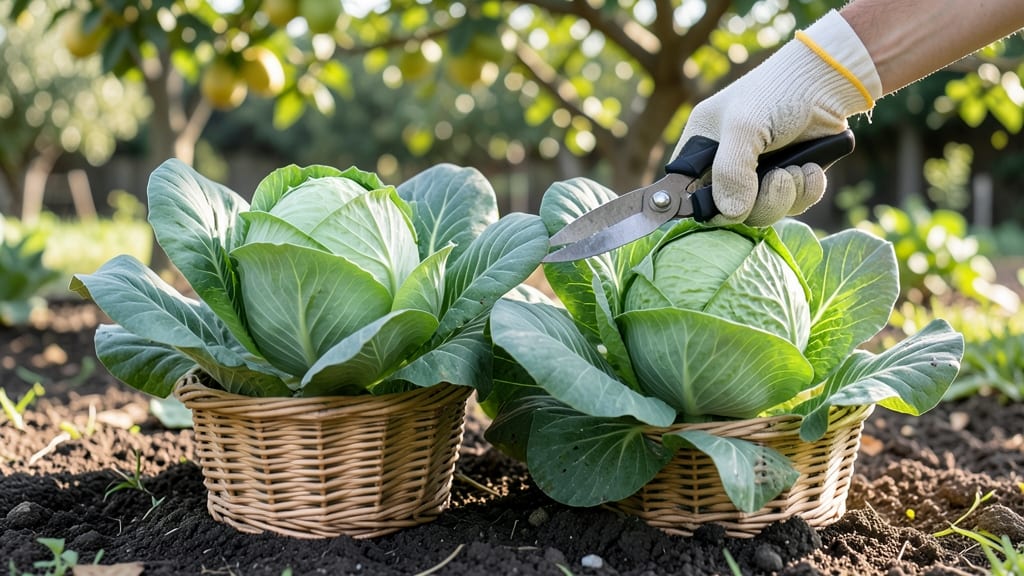
Harvesting iceberg lettuce 🥬 so it keeps growing means cutting just right—too deep and you lose the plant, too shallow and you stunt regrowth.
Harvesting iceberg lettuce without killing the plant is a game-changer for gardeners—extend your harvest by weeks (or even months!) with the right stem-cutting technique.
Most gardeners assume you need to pull the whole head, but the secret is in the stem. By cutting outer leaves at the perfect angle and leaving the core intact, you trigger a second flush of growth.
In this guide, I’ll show you the exact method, the tools to use, and the timing that keeps your iceberg lettuce producing like clockwork—no guesswork, just steady harvests.

The exact stem-cutting method to regrow iceberg lettuce
Iceberg lettuce is one of those versatile garden crops that can keep producing if you harvest it the right way. Unlike many leafy greens, iceberg lettuce has a thick, sturdy core that stores energy to regrow new leaves—if you know how to cut it properly.
The key is selective harvesting that preserves the plant's ability to regenerate while still giving you crisp, fresh leaves to enjoy.
Most gardeners make the mistake of cutting the entire head at once, which kills the plant. Instead, we'll focus on stem-cutting techniques that let you harvest outer leaves while keeping the inner core intact.
This method can extend your harvest by 4-6 weeks or even longer with proper care. Let's dive into the exact steps you need to follow for success.
Harvest only when the outer leaves are fully mature (deep green, crisp texture). Check by gently squeezing—it should feel firm, not mushy.
Use clean, sterilized tools to prevent disease. Avoid dull knives—they crush stems and damage regrowth potential.
Make a clean diagonal cut at a 45-degree angle, leaving 1-2 inches of stem above the next leaf set. This preserves the plant's energy reserve.
Never harvest more than 30% of the plant in one session. This maintains the core's ability to regenerate new growth.
Cutting when leaves are dry reduces disease risk. Avoid harvesting in hot afternoons or after rain.
Give the plant 1 inch of water within 24 hours to help it recover and stimulate new growth.
Timing is everything when it comes to regrowth. Harvest iceberg lettuce every 7-10 days during its peak growing season (spring and fall). In hot summer months, reduce harvesting frequency to every 2 weeks to prevent stress.
The plant will naturally slow down growth when temperatures exceed 80°F, so don't force it.
After your first harvest, you'll notice new leaves emerging from the center within 5-7 days. These will be smaller at first but will gradually grow larger as the plant regains energy.
To encourage faster regrowth, apply a light nitrogen fertilizer (like 5-10-10) 3 days after harvesting. This gives the plant the nutrients it needs to bounce back quickly.
One common mistake is assuming you can harvest the same way all season long. In late summer, iceberg lettuce often starts bolting (sending up a flower stalk) as daylight hours shorten.
If this happens, harvest the entire head immediately and let the plant go to seed—it won't regrow after bolting. Save any remaining seeds for next year's garden.
For container growers, this stem-cutting method works just as well in pots. Just ensure your container is at least 12 inches deep and has drainage holes. Iceberg lettuce in containers may regrow slightly slower than in-ground plants, so be patient and maintain consistent watering.
The key is not over-harvesting—even in containers, the plant needs energy to recover.
With this method, you can expect 2-3 harvest cycles from a single iceberg lettuce plant. That means instead of one big harvest, you get continuous fresh leaves for salads, wraps, or cooking all season long. Plus, you'll save money and reduce waste by not having to replant every few weeks.
Pro tip: Keep a harvest journal to track which plants regrow best. Note the variety, your cutting technique, and growing conditions. Some iceberg varieties are more forgiving than others when it comes to regrowth—look for
Common harvesting mistakes that stop regrowth (and how to fix them)
Even with perfect growing conditions, your iceberg lettuce 🥬 might refuse to regrow after harvest. The culprit? Common mistakes that damage the plant’s core or disrupt its energy reserves. I’ve seen gardeners accidentally kill their lettuce plants by making these easy-to-fix errors.
One of the biggest mistakes is cutting too deep into the stem. When you sever the central growth point, the plant has no energy left to produce new leaves. Another frequent error is harvesting at the wrong time of day, which stresses the plant and slows recovery.
Here’s the critical mistake most gardeners overlook: neglecting post-harvest care. Simply cutting leaves and walking away leaves your lettuce vulnerable to heat stress, pests, or dehydration—all of which can halt regrowth before it starts.
⚠️ 3 Deadly Harvesting Mistakes (And How to Fix Them)
- Mistake 1: Cutting below the leaf base – Severing the stem’s growth point kills regrowth. Fix: Cut just above the next set of leaves, never deeper.
- Mistake 2: Harvesting in hot afternoon sun – Causes wilting and stress. Fix: Harvest early morning when leaves are crisp and hydrated.
- Mistake 3: Ignoring water needs post-harvest – Lets the plant dry out. Fix: Water deeply within 2 hours after cutting.
Pro Tip: After harvesting, trim any yellow or damaged leaves to redirect energy to new growth.
Another silent regrowth killer is overcrowding after harvest. When you leave too many plants competing for nutrients, each one produces smaller, weaker leaves. Thin your lettuce to 12-18 inches apart immediately after cutting to give remaining plants room to recover.
Don’t forget about fertilizer timing. Applying heavy doses right after harvest can burn the plant’s roots, shocking it into dormancy. Instead, wait 5-7 days and use a light nitrogen feed (like fish emulsion) to encourage leaf regrowth without stress.
With these fixes, your iceberg lettuce can bounce back stronger than ever. The key is patience—regrowth takes 2-3 weeks in ideal conditions, but the results are worth it for a continuous harvest all season long. 🌱