
How To
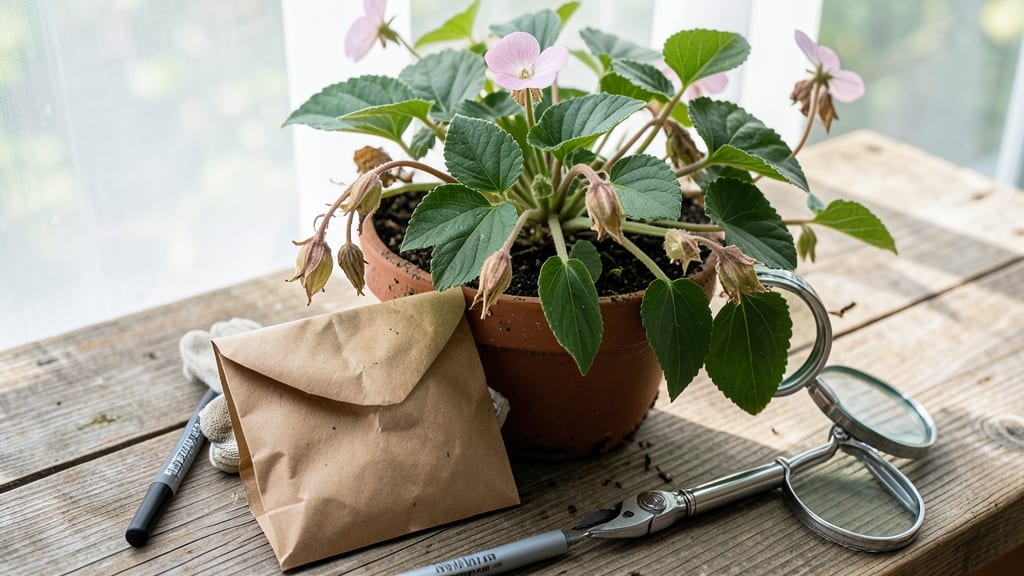
To harvest impatiens seeds, wait until the seed pods turn brown and dry 🌸 — the perfect moment to collect before they split open on their own.
Struggling to save impatiens seeds for next season? These vibrant flowers are annuals, but with the right timing and technique, you can extend their beauty year after year by harvesting seeds properly.
Most gardeners miss the window because they don’t recognize when the pods are ready. The key is watching for that papery texture and the telltale rattle inside—signs the seeds are mature and ready to collect.
Below, I’ll walk you through the exact steps to harvest, store, and prepare these seeds for planting, so you can enjoy next year’s blooms without the guesswork.

Best time and method for harvesting impatiens seeds
Impatiens are stunning annuals that burst with color in shady spots, but since they don’t survive winter, saving their seeds is key to growing them again next year. The secret to success lies in knowing exactly when and how to harvest those tiny seeds from their dried seed pods.
Timing is everything—collect too early, and the seeds won’t be viable; wait too long, and they’ll scatter on their own. Let’s dive into the best practices to ensure you’re ready when those brown, papery pods appear in late summer or fall.
First, identify the right seed pods to harvest. After impatiens bloom, the flowers fade and are replaced by small, green seed pods that start out firm and closed. As they mature, these pods turn brown and dry, often splitting open naturally to release seeds.
This is your cue that the seeds inside are ready for collection. The ideal time to harvest is when the pods are fully dried but haven’t yet burst open—usually late August through October, depending on your climate and the specific impatiens variety you’re growing.
Harvesting at the right stage ensures maximum seed viability. If you miss the window, the pods may crack open on their own, releasing seeds prematurely or attracting pests.
Once the pods are dry, they become brittle and may even rattle when shaken gently—a clear sign that the seeds are ready. Grab a small bowl or envelope to catch the seeds as you work, and be gentle to avoid damaging the delicate pods or scattering seeds unintentionally.
Here’s how to harvest impatiens seeds step by step:
If you’re harvesting seeds from potted impatiens, place the pot in a mesh bag or under a fine screen to catch any seeds that scatter as the pods dry.
This is especially useful if you’re growing impatiens in containers, as seeds can easily fall onto the soil or spill out during watering. For garden beds, harvest seeds directly from the plant and place them in your collection container immediately to avoid loss.
One common challenge is premature pod cracking, which can happen if the pods are exposed to moisture or if the plant is stressed. To prevent this, avoid overwatering the plant as the seed pods mature, and harvest them as soon as they turn brown.
If pods crack open too early, you can still collect the seeds, but they may have lower viability. In this case, dry the seeds thoroughly before storing them to maximize your chances of successful germination next season.
Pro tip: If you’re growing multiple impatiens varieties, like New Guinea impatiens or busy Lizzie impatiens, harvest their seeds separately. Cross-pollination can occur, leading to mixed colors or unexpected traits in your next batch of plants.
Keeping seeds labeled and organized ensures you can replicate your favorite varieties year after year.
With these steps, you’ll be well on your way to saving impatiens seeds that are ready for planting in early spring. Just remember: patience is key—rushing the harvest can mean the difference between viable seeds and a failed batch.
Happy harvesting, and may your garden bloom with vibrant impatiens for seasons to come! 🌸
How to store impatiens seeds for maximum germination success
Once you've harvested your impatiens seeds, proper storage is key to ensuring they remain viable until next planting season. These delicate seeds lose viability quickly if stored incorrectly, so understanding the right conditions can mean the difference between a thriving garden and wasted effort.
The goal is to maintain low humidity and cool temperatures while preventing moisture buildup that could cause mold or rot.
Start by allowing freshly harvested seeds to dry completely in a well-ventilated area for 3-5 days. Spread them out on a paper towel or seed tray where they can air-dry without direct sunlight, which can overheat them.
This step is critical—moisture is the enemy of long-term seed storage, and even slightly damp seeds will spoil in storage.
- Plastic bags: Traps moisture and causes mold—use paper envelopes instead.
- High humidity: Store in airtight containers with silica gel packets.
- Direct sunlight: UV rays degrade seeds—keep in cool, dark places.
- Wet seeds: Even slightly damp seeds won’t last—dry thoroughly first!
After drying, transfer your seeds to a sealed container with a moisture absorber, such as silica gel or a small packet of uncooked rice. Glass jars with tight-fitting lids or Mylar bags work exceptionally well for creating an airtight seal.
Label each container with the seed variety and harvest date—this helps track viability over time, as impatiens seeds typically stay viable for 1-2 years when stored properly.
Choose a storage location that stays consistently cool and dark, like a refrigerator crisper drawer or a cool pantry. Avoid basements or garages where temperatures fluctuate dramatically, as this can accelerate seed deterioration.
If storing in a refrigerator, place the container in a sealed plastic bag to prevent cross-contamination with other foods.
Check your stored seeds every 6 months to ensure they remain dry and free from mold. If you notice any musty smells or white fuzz, discard the batch immediately—contaminated seeds won’t germinate.
For best results, plant your impatiens seeds as soon as possible after harvest, as freshness directly impacts germination rates.
When it’s time to plant, test a few seeds by sowing them in a small pot with moist seed-starting mix. If they sprout within 2-3 weeks, your storage method worked!
If not, try a different batch or consider purchasing new seeds for the next season. With the right care, you’ll enjoy vibrant impatiens blooms year after year without breaking the bank.